
infrastructure
Safety Beats Savings: 44% of Canadian Homeowners Upgrading Electrical Systems Cite Safety First, Schneider Electric Survey Finds
A new Angus Reid Group survey of 1,007 Canadian homeowners commissioned by Schneider Electric Canada finds safety — not savings — is the number one driver of home electrical upgrades, as EV chargers, heat pumps and battery storage push household demand higher. 65% say rebates would tip them into energy-efficient upgrades.
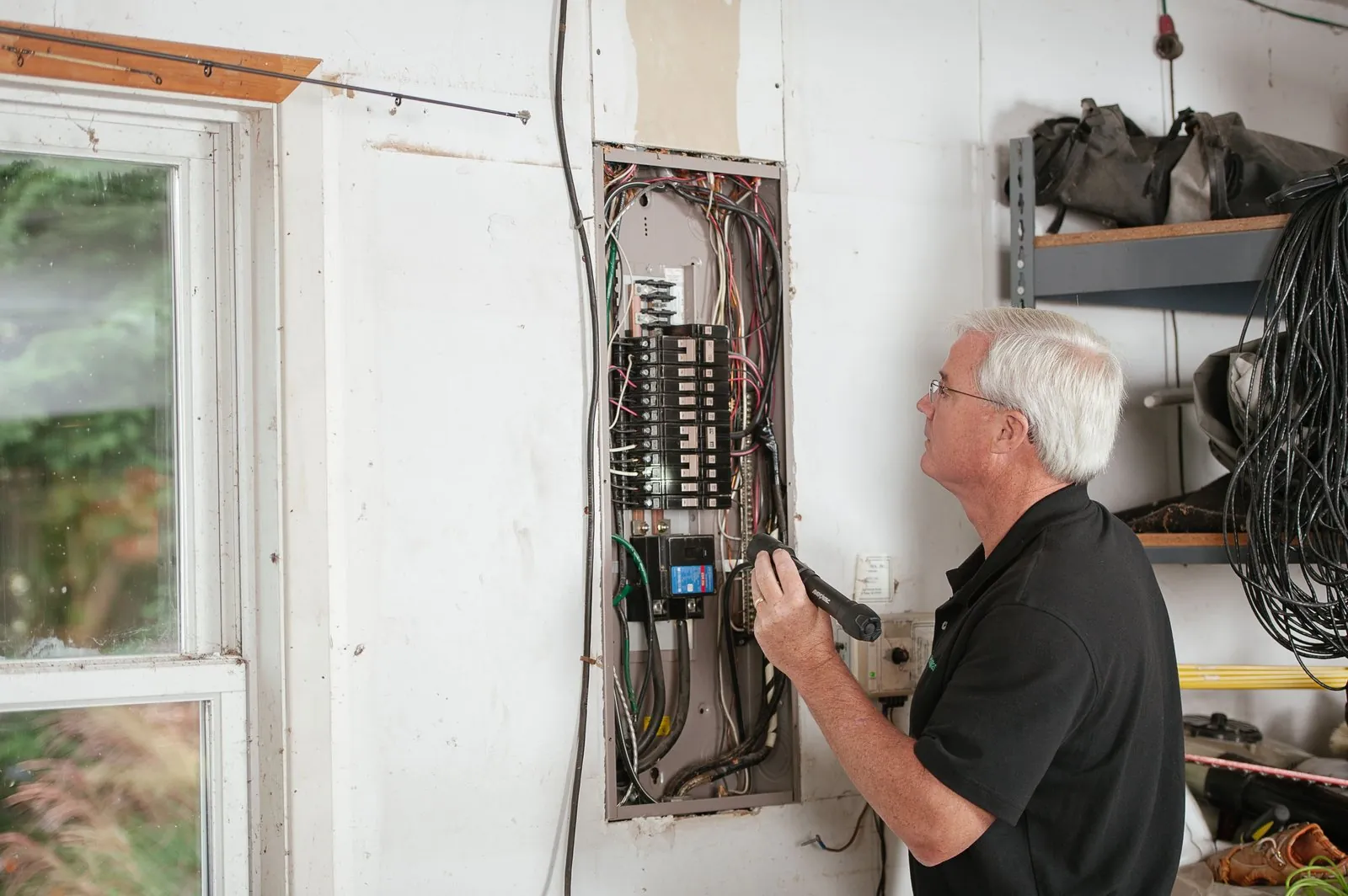
Safety, not savings, is what finally pushes Canadian homeowners to upgrade their electrical systems, according to new research from Schneider Electric Canada — a finding with direct consequences for the country's EV adoption curve, since home charging is the upgrade most often forcing the question.
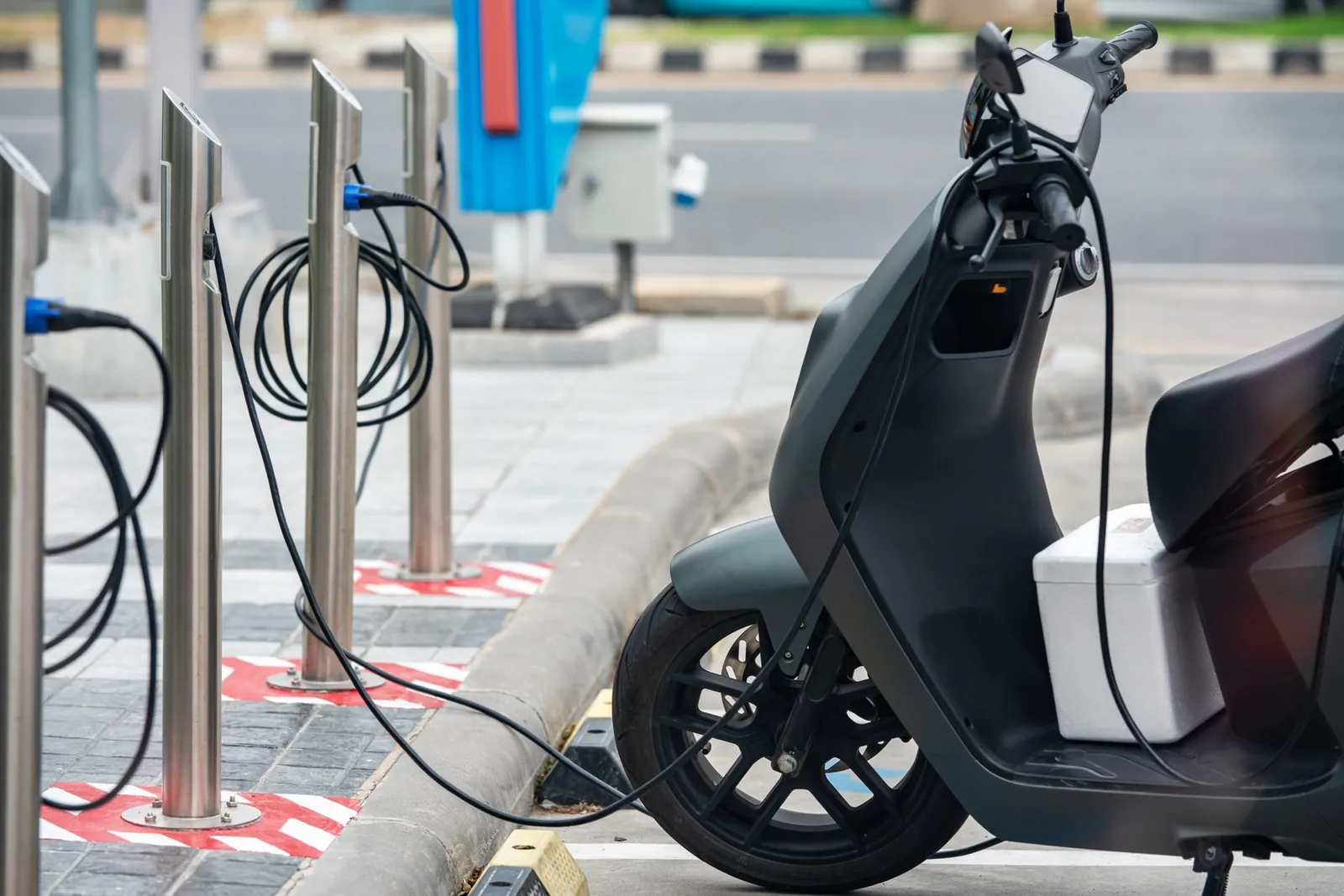
The survey, conducted by the Angus Reid Group among 1,007 Canadian homeowners and released September 9, found that 44 per cent of homeowners planning an electrical system upgrade within the next two years cite safety concerns as a key reason for doing so — making safety the number-one motivator, ahead of energy savings and every other benefit measured. The findings come as Canadian homes take on greater electrical demands from EV chargers, heat pumps, solar power, battery storage and smart home energy management systems.
The numbers behind the Canadian electrical-upgrade wave
- 44% of homeowners planning an upgrade within two years cite safety as the main driver.
- 52% say long-term energy savings matter more than upfront cost when buying home improvement products.
- 65% say rebates, tax credits or other incentives would make them more likely to undertake energy-efficient electrical upgrades.
- 62% point to lower operating costs as a top purchase factor, and 65% to energy efficiency.
- One in 10 homeowners is considering an electrification-related investment — electrical, solar, battery or EV charging projects — within the next two years.
"Canadians place a high value on energy savings and efficiency, but this research shows that safety is ultimately what motivates many homeowners to act," David O'Reilly, Vice President, Home & Commercial Solutions at Schneider Electric Canada, said in the release. "As household energy needs continue to evolve, homeowners want confidence that their electrical system can safely support those changes."
Why EV owners feel this first
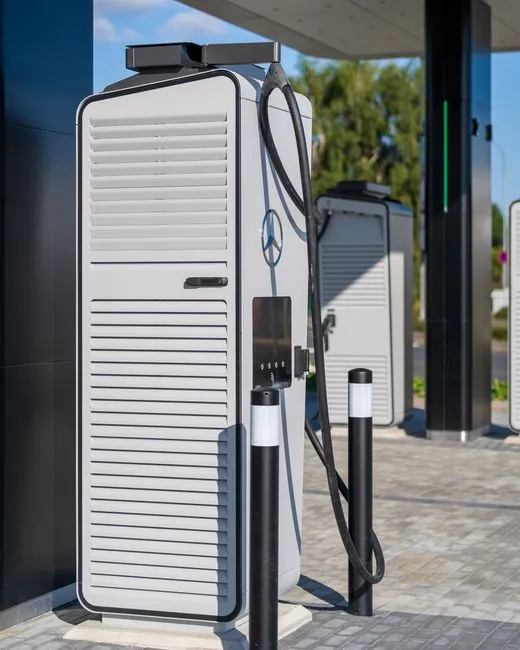
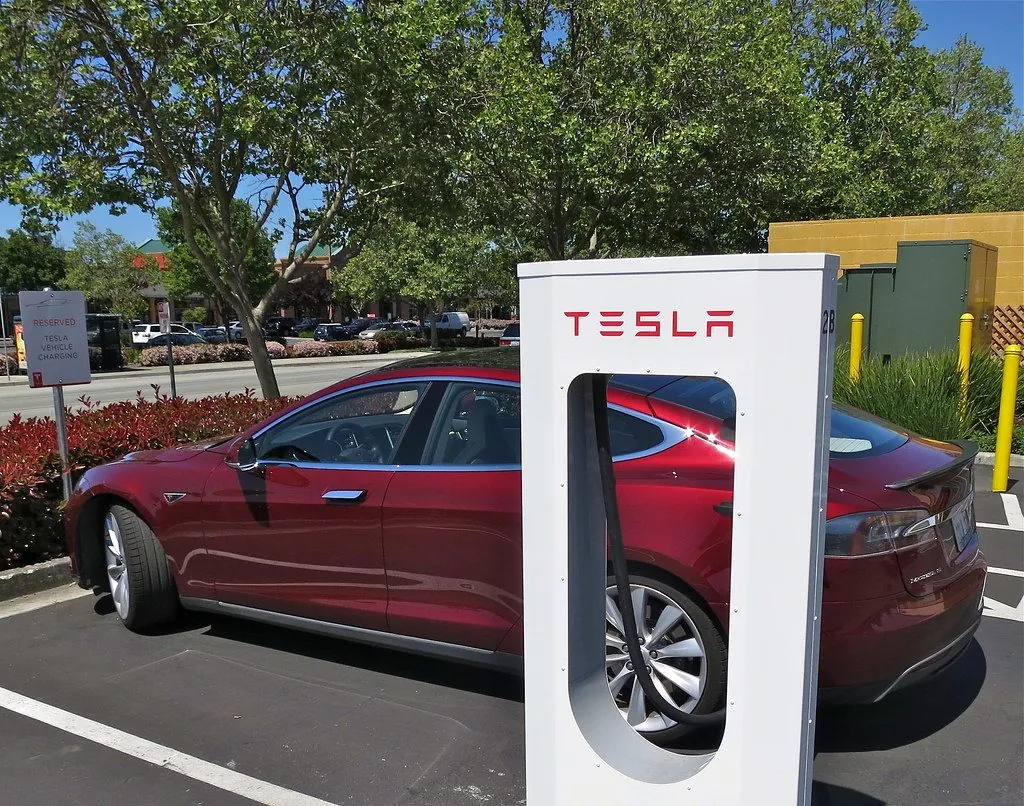
For Canadian EV shoppers, the survey names the exact pinch point: adding a Level 2 home charger typically means evaluating whether an aging 60- or 100-amp panel can feed a 30-to-48-amp charging circuit alongside a heat pump, water heater and everything else a modern household runs. Many homes — especially older housing stock in Toronto, Montreal and Halifax — discover they need a panel upgrade or an electrician-approved workaround before the charger goes on the wall. As homeowners look to adopt these technologies and reduce long-term energy costs, Schneider says, many start with a more fundamental question: "Is my home electrical system ready?"
The 65-per-cent rebate sensitivity figure is the one policymakers should watch. Federal and provincial programs currently target vehicles and chargers far more than the panel-and-wiring work underneath them; a rebate structure that covered service upgrades — not just the hardware — would act on the exact lever the survey says moves Canadian homeowners.
Looking for EV deals, insurance, or financing? Check out our partner deals and offers.
If you found this guide helpful, use our Tesla referral link for free Supercharging credits on a new Tesla purchase or lease in Canada.
Next story · swipe left
Next story
Canada's EV Battery Recycling Plan Is Missing — and It's a $1.5-Trillion Mistake
5 min read
With over 1 million EVs on Canadian roads and billions invested in mining and battery plants, end-of-life battery handling is the gap in the value chain. Second-life storage, black mass, and why recycling is the missing industrial strategy.
The Charge Brief
Get Canada’s EV transition in your inbox
One email a day. No spam, unsubscribe anytime.