
infrastructure
Need a Panel Upgrade for Your EV Charger? Schneider's New Workaround Might Save You Thousands
Schneider Electric's Charge Home EV charger uses dynamic load management to help some Canadian homeowners avoid costly electrical panel upgrades — but there are limits.
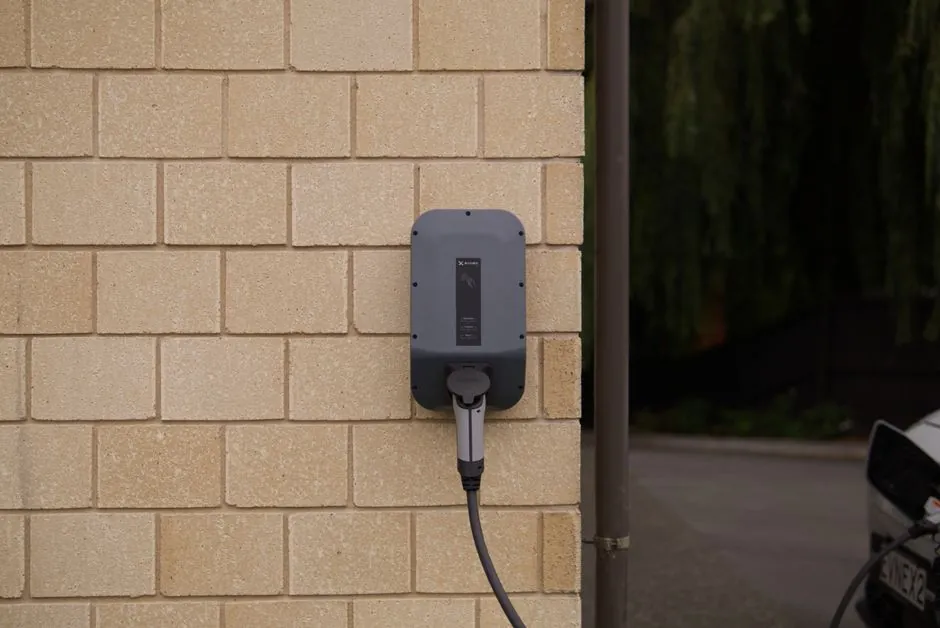
Adding a Level 2 EV charger to an older Canadian home often reveals an expensive surprise: the main electrical panel cannot support the extra load. Upgrading from 100 amps to 200 amps costs two to four thousand dollars in most provinces, on top of the charger itself and the wiring run.
Schneider Electric's Charge Home charger, a new 48-amp Level 2 unit, attempts to sidestep that bill with an alternative approach called dynamic load management. Instead of asking the panel for a permanently bigger slice of capacity, the charger monitors the home's total power draw in real time and throttles back when other high-demand appliances kick on — the dryer, the oven, the air conditioner. The result is a charger that delivers full speed when the house is quiet and eases off during peak household loads without ever tripping the main breaker.
Who actually benefits from load management?
Dynamic load management is not magic, and it will not rescue every panel. Homes on 60-amp or 100-amp services running close to their limit most weeks will still exceed safe operating thresholds. But for homes with 125-amp or 150-amp services that are already near capacity, the Charge Home can shift a panel upgrade from "essential" to "maybe later." That is a meaningful difference when the upgrade bill arrives alongside the charger quote.
Ontario, Quebec, and British Columbia all enforce their own electrical codes, and several municipalities have added EV-readiness requirements for new builds and major renovations. Provincial rebate programs in Quebec and British Columbia cover a portion of the purchase and installation cost, which softens the overall price of going electric. A load-managed charger that removes the upgrade step makes those programs stretch further without any additional paperwork.
What to watch before you buy
The Charge Home is not the only charger with load-management features, but Schneider's brand recognition and its existing presence in Canadian electrical supply houses give it a practical edge. Electricians who already specify Schneider panels and breakers are comfortable installing Schneider chargers, which can reduce labour time and surprise costs on the invoice.
Before buying any load-managed charger, get an electrician to assess your actual panel capacity. The conversation is quicker and cheaper than most drivers expect — many electricians will quote a basic load calculation for a few hundred dollars or less. If the result puts your home in the 125- to 150-amp range with headroom to share, a charger like the Charge Home is worth a serious look. If your panel is already maxed out at 100 amps, the upgrade is still in your future — but at least you will know before you sign the purchase agreement.
Looking for EV deals, insurance, or financing? Check out our partner deals and offers.
If you found this guide helpful, use our Tesla referral link for free Supercharging credits on a new Tesla purchase or lease in Canada.
Next story · swipe left
Next story
Honda Developing New Hybrid Powertrain for Canadian-Built CR-V, Targeting February 2027 Production
4 min read
Nikkei Asia reports Honda is developing a revised hybrid system for the CR-V that could be up to 10% more efficient and cut production costs by 25%. Alliston, Ontario plant could begin building it as early as February 2027, ahead of U.S. assembly.
The Charge Brief
Get Canada’s EV transition in your inbox
One email a day. No spam, unsubscribe anytime.