
Battery Swapping vs Fast Charging in Canada: What Works Better
Battery swapping and DC fast charging are both solutions to EV range anxiety, but only one is practical in Canada right now. Here is the honest comparison.
Battery swapping promises the speed of a gasoline fill-up with the cleanliness of electric power. Fast charging, meanwhile, has become the established solution for Canadian EV road trips. Both approaches solve the same problem — limited range and long stops — but they do it in ways that suit different drivers, geographies, and vehicle architectures.
How Battery Swapping Works
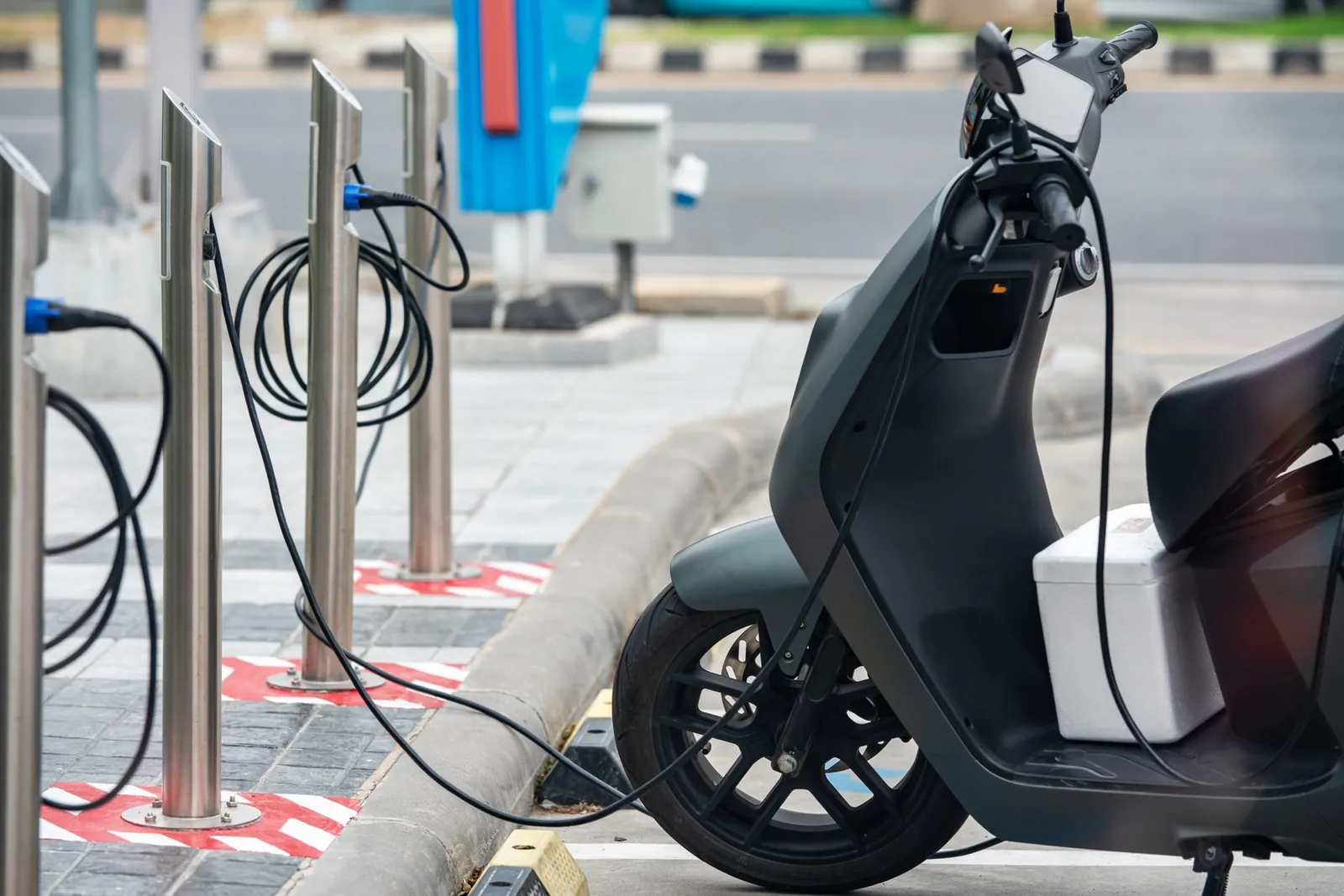
Battery swapping replaces a depleted pack with a fully charged one in under five minutes, which is faster than any DC fast charge and comparable to a gasoline fill-up. The technology is proven in China and has been tested in limited pilots in Europe and North America. For Canadian fleet operators who run predictable routes, swapping could reduce downtime and eliminate charging infrastructure at depots. For private buyers, the lack of standardized pack designs means swapping is only practical within a single manufacturer’s ecosystem — and no Canadian automaker has committed to it at scale.
The Fast Charging Reality
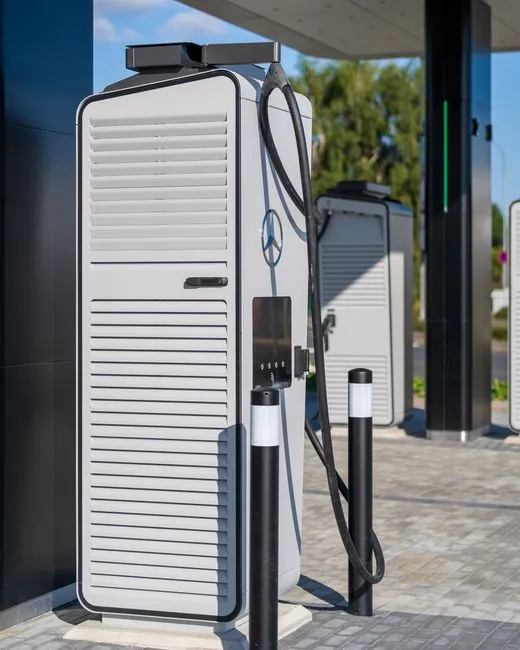
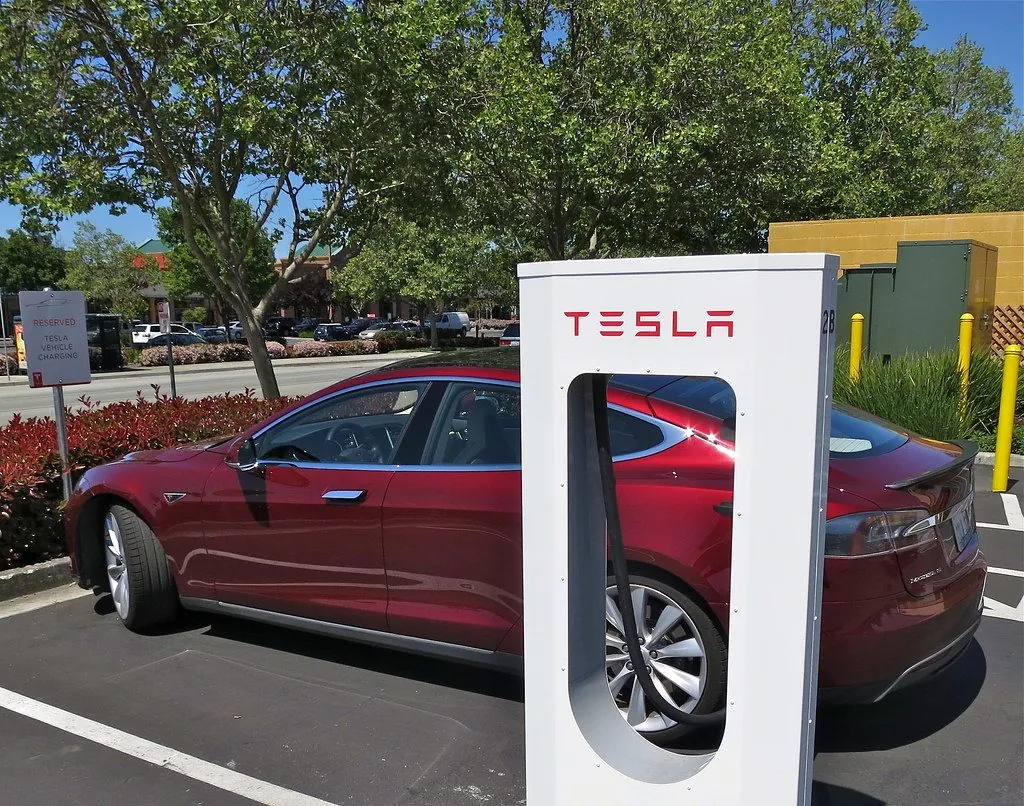
Canada’s DC fast-charging network has expanded dramatically along the 401, the Trans-Canada, and in Quebec along major autoroutes. Charging speeds above 150 kW are now common at new stations, and 250-plus kW chargers are appearing on high-traffic corridors. Real-world charging times from ten to eighty percent now average 18 to 28 minutes for most modern EVs, which is long enough to require a coffee break but short enough to keep road trips practical. Fast charging’s advantage is compatibility: every modern EV uses it.
Winter Performance
Cold temperatures affect both approaches. Battery swapping preserves range because the replacement pack can be stored in a heated environment, but stations are rare in Canada and would need winter-ready designs. Fast charging slows in cold weather because battery chemical reactions are less efficient; most modern EVs pre-condition the pack before charging to mitigate this. Preconditioning requires driver action or automation, which is an extra step but works reliably in temperatures down to -30°C.
Cost and Infrastructure
Fast charging infrastructure is cheaper to deploy than swapping stations because it does not require spare battery inventory, robotic handling, or structural bay designs. A fast-charging site needs power delivery, cables, and payment software; a swapping station needs all of that plus a bank of batteries, swap mechanisms, and bay maintenance. Swapping makes economic sense only at very high utilisation, which is hard to achieve outside fleet use.
What Canadian Drivers Should Choose
For private Canadian EV buyers, fast charging is the practical choice today. It is compatible with every new EV, the network is expanding, and charging speeds are improving. Battery swapping remains an interesting technology for fleet operators and specific use cases, but it is not ready for mass-market adoption in Canada. Buyers who prioritize road-trip convenience should focus on vehicles with high fast-charging rates and access to reliable networks.
Looking for EV deals, insurance, or financing? Check out our partner deals and offers.
If you found this guide helpful, use our Tesla referral link for free Supercharging credits on a new Tesla purchase or lease in Canada.

Next story · swipe left
Next story
EV Carbon Footprint vs Gas in Canada: The Full Lifecycle Answer
6 min read
EV vs gas carbon footprint in Canada — manufacturing emissions, battery production, electricity grid mix by province, and the break-even point where an EV becomes cleaner.
The Charge Brief
Get Canada’s EV transition in your inbox
One email a day. No spam, unsubscribe anytime.