
infrastructure
chargingEV Road Trip Canada 2026: Best Routes, Charging Stops and Winter Tips
Plan an EV road trip across Canada in 2026 — best routes, charging networks, winter preparation, and real owner tips for long-distance electric driving.
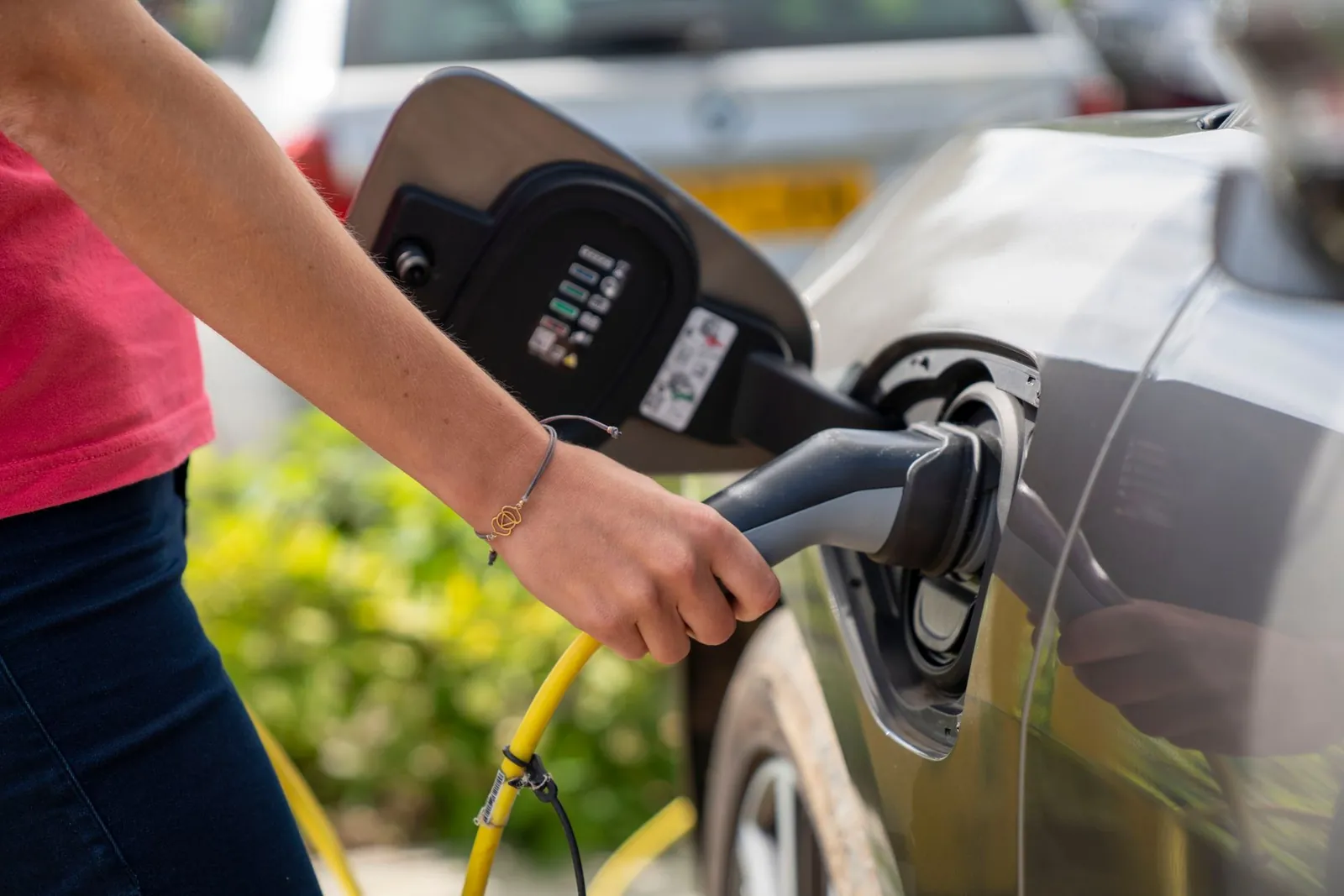
EV road trips in Canada have changed dramatically since 2020. What was once a risky adventure with sparse chargers and sketchy hotel outlets is now a practical travel option along most major corridors. In 2026, Canada’s charging network density, hotel and restaurant charging partnerships, and EV-friendly rental options make long-distance electric travel feasible for families and solo drivers alike. The remaining gaps are rural and northern routes, but the core cross-Canada experience is now well-supported.
Best EV Road Trip Routes
The Toronto to Montreal corridor is the easiest EV road trip in Canada, with DC fast chargers at regular intervals along Highway 401 and Autoroute 20. Drivers can complete the 540 km journey with one or two charging stops, and most chargers are located at service centres with restaurants and restrooms. The Vancouver to Calgary route along the Trans-Canada is more challenging because of mountain elevation changes and longer distances between chargers in the Fraser Canyon and Rogers Pass, but modern EVs with 400 km-plus range can complete it with one or two strategic stops. The Halifax to Ottawa corridor is improving rapidly as Nova Scotia and New Brunswick expand their charging networks.
Charging Networks Along Routes
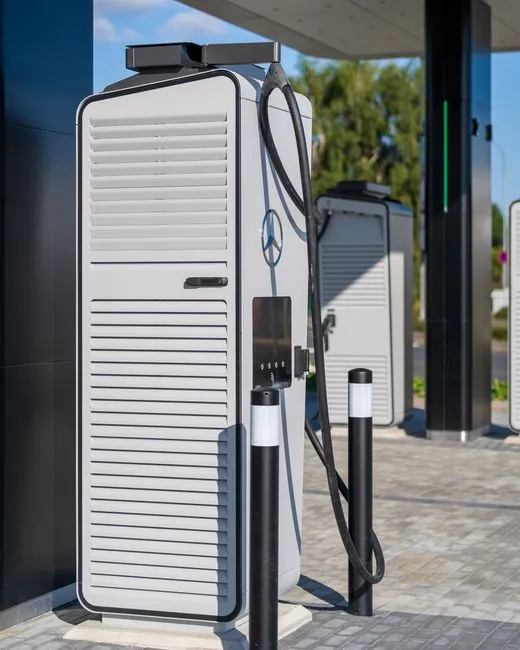
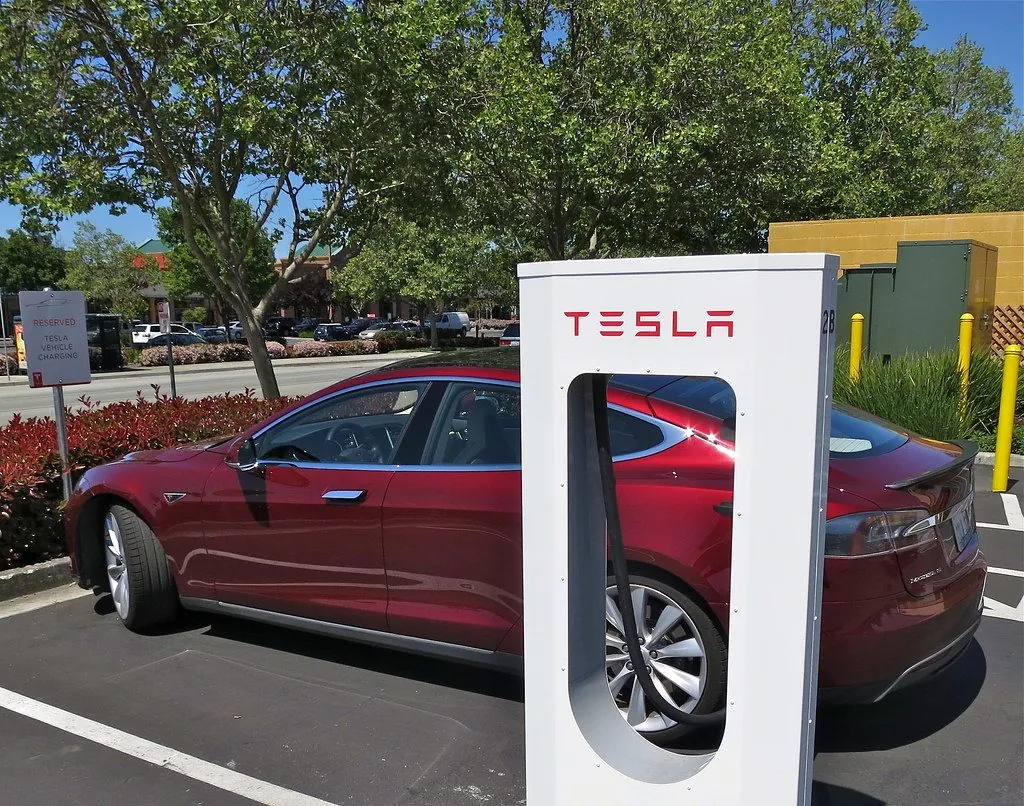
Electrify Canada and ChargePoint dominate highway corridor charging in central Canada, with 150 kW-plus stations at most major service centres. Tesla Superchargers are now open to non-Tesla EVs through adapters and, in some cases, native NACS ports, which adds significant network density. FLO stations are common in Quebec and the Maritimes, and Petro-Canada’s EV charging network provides another option along major highways. Drivers should carry charging network memberships and payment apps for all major operators, because not every station accepts every payment method.
Winter Road Trips
Winter EV road trips require more planning than summer trips because cold weather reduces range and charging speeds while increasing cabin heating demand. Drivers should precondition their batteries before highway charging sessions, plan for longer charging stops, and carry winter emergency supplies in case of charger outages or road closures. Pre-booking hotels with EV charging ensures that overnight charging is available at the destination, which is especially important in smaller towns where public charging is limited.
Owner Tips
Experienced Canadian EV road trippers recommend planning charging stops around meal and rest breaks rather than treating charging as a separate activity. A 30-minute fast-charging session coincides naturally with a lunch stop, which makes long trips feel shorter than they would in a gasoline vehicle where refuelling is faster but breaks are shorter. Drivers should also download offline maps and charging network apps before leaving cellular range in rural areas, because signal coverage is inconsistent along some highway segments.
Looking for EV deals, insurance, or financing? Check out our partner deals and offers.
If you found this guide helpful, use our Tesla referral link for free Supercharging credits on a new Tesla purchase or lease in Canada.
Next story · swipe left
Next story
Quebec Parties Split on EV Strategy Ahead of Monday's Election: ZEV Mandates, Rebates and Charging Compared
5 min read
Electric Mobility Canada and AVEQ analysis shows five major parties offer sharply different approaches: Liberals and CAQ keep sales mandates at 80% by 2035, PQ targets 85% by 2034, Québec solidaire wants a 2035 gas-car ban, Conservatives would scrap the standard entirely. Rebates, home charging and MURB rules also divide the field.
The Charge Brief
Get Canada’s EV transition in your inbox
One email a day. No spam, unsubscribe anytime.