infrastructure
chargingSchneider Electric Targets Home EV Charging Capacity Limits With New Schneider Charge
Schneider Electric Canada is shipping a Level 2 home charger that uses built-in dynamic load management to sidestep panel upgrades — up to 11.5 kW, NACS-compatible, and rated to -30 C.
Schneider Electric Canada is targeting the single most common barrier to home Level 2 EV charging — limited electrical panel capacity — with a new charger that adjusts its output in real time instead of asking homeowners to pay for a service upgrade.
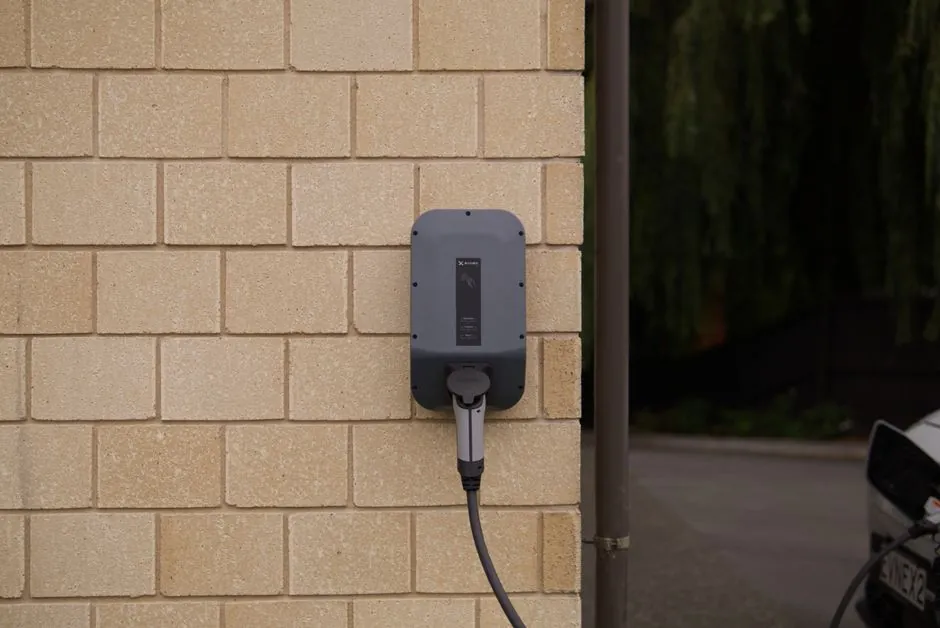
The Schneider Charge delivers up to 11.5 kilowatts at 48 amps and is compatible with both NACS (J3400) and J1772 connectors. At full output, Schneider says it can add roughly 71 kilometres of range per hour, depending on the vehicle and other household loads. The built-in SmartAmp dynamic load management system monitors the home's electricity demand and automatically scales charging power so the circuit never exceeds the panel's capacity.
What SmartAmp does differently
Most Level 2 chargers draw a fixed current and leave it to the homeowner to ensure the panel can handle the load. SmartAmp uses current transformers installed in the main or sub-panel to measure real-time demand and throttle the charger when other appliances — a heat pump, water heater, oven — are drawing heavily. When demand drops, the charger ramps back up. Schneider says this eliminates the need for a separate energy-monitoring device and can avoid costly service upgrades entirely.
The practical savings are significant. A traditional panel upgrade to support a 40- or 50-amp Level 2 circuit in Canada can cost $2,000 to $5,000 once permits, labour and materials are included. By keeping the charger within existing capacity, Schneider Charge shifts the decision from "can my house handle it?" to "when can I book the install?"
Built for Canadian conditions
The charger is rated for outdoor or indoor wall-mount installation and operates down to -30 C, which matters for Canadian buyers who need a charger that survives a prairie winter or an Atlantic freeze. The companion app lets owners schedule charging around time-of-use electricity rates and monitor household demand in real time.
Schneider Charge is available now through electrical distributors and online retailer portals, with in-store availability at major Canadian retailers expected later in 2026. For buyers evaluating home charging options ahead of another Ontario winter, the product is a direct answer to the panel-capacity problem that shows up in every EV owner forum and every utility survey.
Looking for EV deals, insurance, or financing? Check out our partner deals and offers.
If you found this guide helpful, use our Tesla referral link for free Supercharging credits on a new Tesla purchase or lease in Canada.

Next story · swipe left
Next story
Saskatchewan Drilling Hits Canada's Highest Natural Hydrogen Readings — and a Million Hectares of Permits
4 min read
MAX Power Mining reports the highest natural hydrogen readings ever recorded at its Lawson complex in Saskatchewan after the Lawson 4 well intersected a deep crustal fault at 2,311 metres. The company also added 190,000 hectares of permits, bringing its Saskatchewan natural hydrogen landholdings to about 1 million hectares.
The Charge Brief
Get Canada’s EV transition in your inbox
One email a day. No spam, unsubscribe anytime.