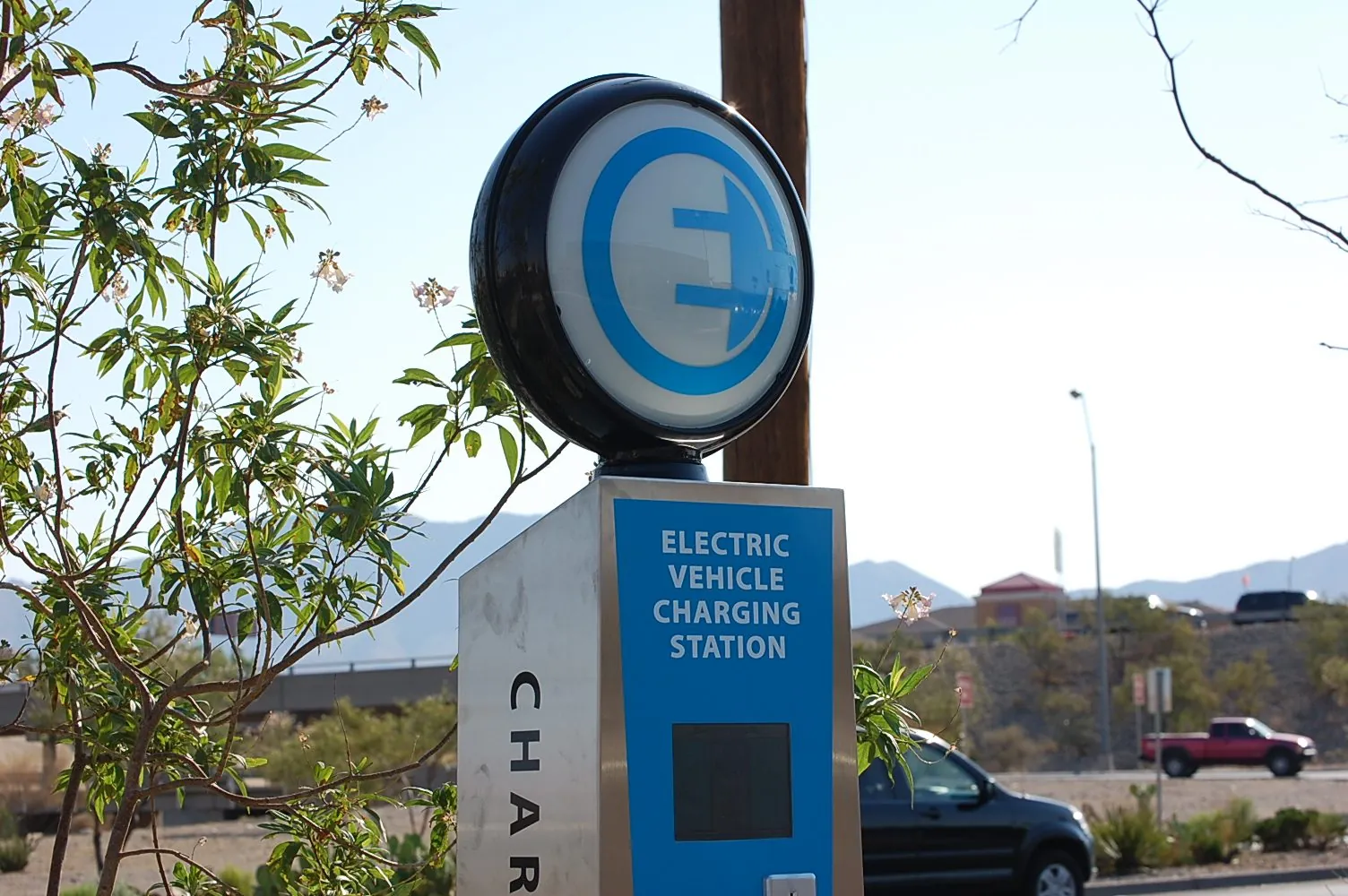

infrastructure
Home EV Charger Installation Cost Canada: $500–$2,500+ — See Your Province
Level 2 home charger installation in Canada runs $500 to $2,500+ depending on your panel. Here's the honest breakdown by province, home type, and rebate.
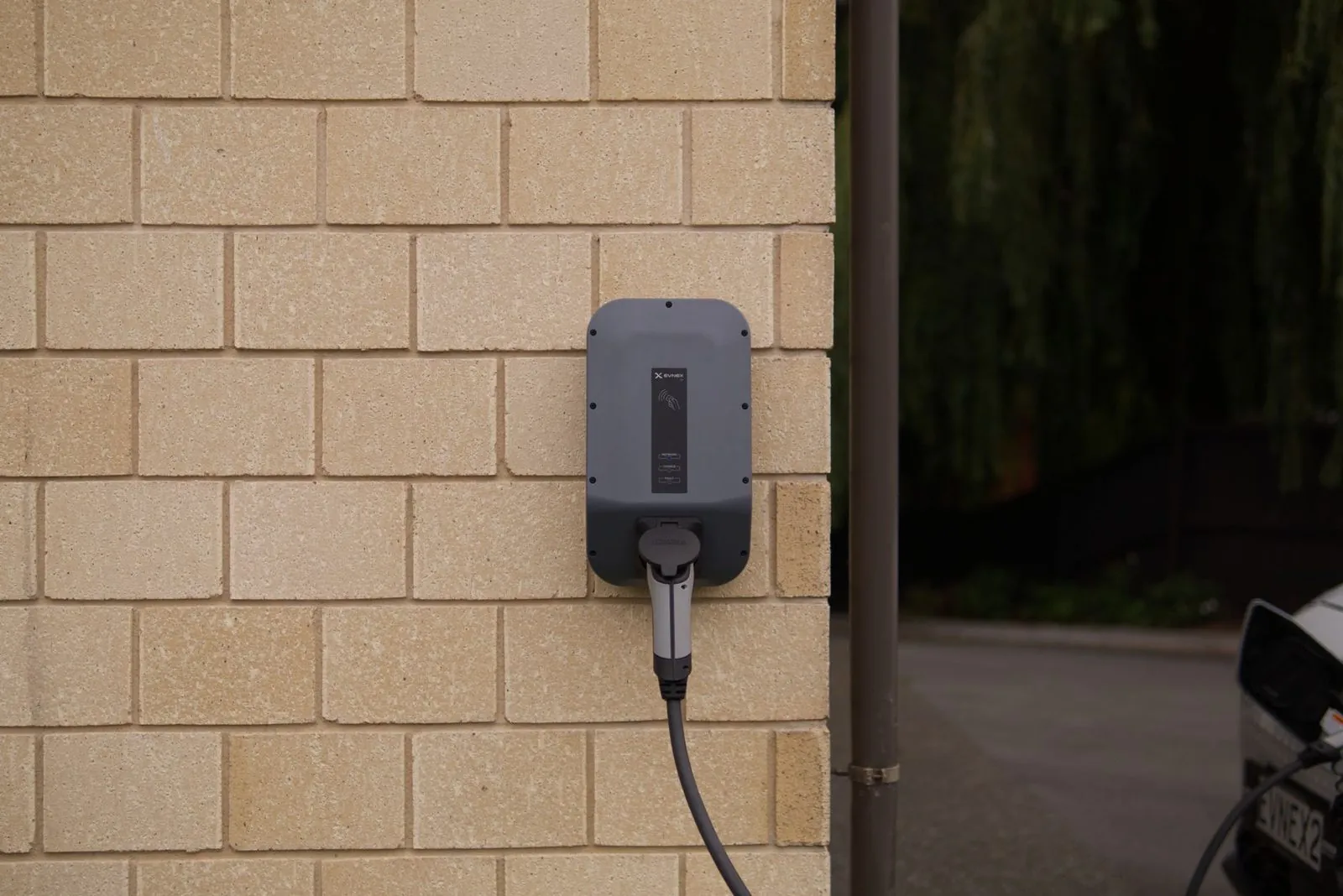
Every Canadian EV buyer faces the same first-weekend project: getting a Level 2 charger at home. The charger itself is the easy part — the real variable is the wire between it and your electrical panel. Here's what actually drives the cost, and how to avoid paying double.
The charger
A good 48-amp Wi-Fi-connected Level 2 unit — Tesla Universal Wall Connector, Grizzl-E, Emporia — runs $500–$850 before tax. Hardwired units generally beat plug-in ones for Canadian winters, and a 48-amp hardwired install delivers roughly 11 kW, enough to fill most EVs overnight even at winter efficiency.
The install: three scenarios
Best case ($300–$600): garage wall shares a wall with the panel, a 60-amp breaker slot is free, short cable run. An electrician does this in half a day.
Typical case ($600–$1,200): panel is in the basement on the opposite side, requiring 15–20 metres of heavier-gauge cable through finished space. Most urban detached homes land here.
Worst case ($1,500–$3,000+): panel is full (100-amp service, common in older Toronto/Ottawa/Montreal housing) and needs an upgrade, or you're in a condo where everything goes through the corporation. Panel upgrades alone can run $2,000–$4,000 — get quotes, because load-calculation tricks (EVEMS devices that dial back charging when the house is busy) often avoid the upgrade entirely.
Rebates soften it
Quebec's program has covered a meaningful chunk of home charger purchase and installation. BC has run rebate windows for chargers and installation, with higher amounts for income-qualified households. Some municipal utilities offer their own top-ups. The landscape shifts — check the current provincial program before you book the electrician, because the paperwork usually must be filed in advance.
Condos and apartments
If you own a condo parking spot, Ontario and BC's "right to plug" legislation means the corporation can't unreasonably refuse your charger request — but you'll typically pay for metering hardware and any panel capacity upgrades your unit triggers. Budget more, start with the property manager, and get the corporation's requirements in writing before buying anything.
The bottom line
Budget $1,000–$1,500 all-in for a typical detached-home install and you'll rarely be surprised. Get two quotes, ask about EVEMS instead of a panel upgrade, file rebate paperwork first, and use a licensed electrician — insurers ask, and a permit on file protects you at resale.
Looking for EV deals, insurance, or financing? Check out our partner deals and offers.
If you found this guide helpful, use our Tesla referral link for free Supercharging credits on a new Tesla purchase or lease in Canada.
Next story · swipe left
Next story
Ontario EV Rebate 2026: Everything You Need to Qualify
5 min read
Ontario has no provincial EV purchase rebate in 2026 — here's what that means, what the federal EVAP program still pays, and the few perks (Green Plate HOV, utility programs) that remain.
The Charge Brief
Get Canada’s EV transition in your inbox
One email a day. No spam, unsubscribe anytime.