
industry
batteryCanada's EV Battery Recycling Plan Is Missing — and It's a $1.5-Trillion Mistake
With over 1 million EVs on Canadian roads and billions invested in mining and battery plants, end-of-life battery handling is the gap in the value chain. Second-life storage, black mass, and why recycling is the missing industrial strategy.
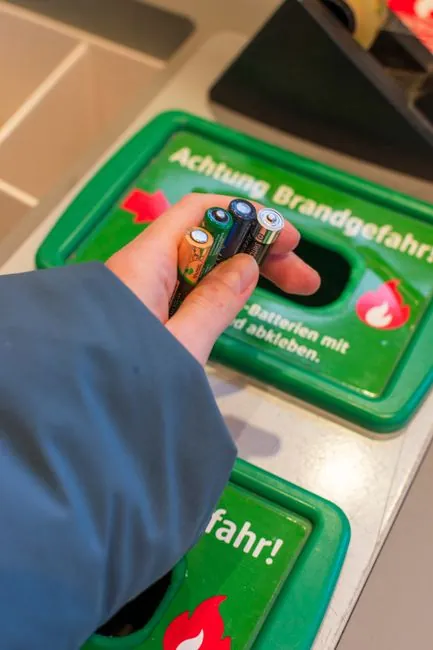
Canada has bet billions on the front end of the EV battery supply chain — mining, refining, cell manufacturing — while the back end remains an afterthought. With more than 1 million battery-electric and plug-in hybrid vehicles now registered on Canadian roads, and a national target of 75 percent zero-emission sales by 2035, every one of those batteries eventually needs handling. The strategy for that half of the lifecycle barely exists.
That's the argument advanced by Donald MacCallum in an August 24 Electric Autonomy opinion piece, which notes that private companies — Moment Energy, Call2Recycle, Lithion Technologies — have led recycling, repurposing, and disposal while federal investment concentrated upstream.
The circular math
The stakes are quantified: the Ellen MacArthur Foundation estimates the circular economy across three major U.S. sectors, EV batteries among them, holds US$1.5 trillion in potential value. For Canada, capturing battery end-of-life domestically means feeding recovered materials straight back into the battery-manufacturing plants the government has already funded — closing a loop that currently leaks value abroad.
The lifecycle logic works in three tiers:
- Second life first. EV batteries retired from vehicles at 70–80 percent capacity still hold enough energy for grid-level storage — including buffers for wind and solar generation. Repurposing delays recycling and extracts more value per battery.
- Recycling below 60 percent. Once capacity falls under 60 percent of original, the battery is shredded into "black mass," which can be processed in Canada or shipped abroad to recover nickel, lithium, cobalt, and other metals.
- Domestic re-feed. Recovered materials flowing back into Canadian cathode and cell production turn a supply gap into an industrial advantage — less mining dependence, more feedstock control.
The projects that stalled
The timing argument is sharpened by what Canada has already lost: several downstream battery-material projects have been paused or abandoned, including GM and POSCO Future M's cathode plant expansion and a planned Ford cathode project. A domestic recycling stream feeding those same facilities is one of the few levers that could revive them — recycled feedstock is insulated from the mine-development timelines and trade frictions that helped stall the originals.
Why this matters to drivers, not just industry
If you own an EV in Canada today, your battery's end-of-life path is genuinely unclear — a patchwork of dealer take-back, Call2Recycle drop points, and startup pilots. A coherent strategy would set collection standards, keep second-life and recycling value onshore, and eventually lower battery replacement economics for owners. For a deeper walkthrough of the current recycling landscape, see our guide to EV battery recycling in Canada.
The piece ends on a note that applies beyond batteries: none of this requires invention. Collection facilities, testing and dismantling operations, second-life integrators, recyclers, and chemical processors are all proven industries elsewhere. What's missing is the connective policy — and with the first million batteries already on the road, the window for building it is now.
Looking for EV deals, insurance, or financing? Check out our partner deals and offers.
If you found this guide helpful, use our Tesla referral link for free Supercharging credits on a new Tesla purchase or lease in Canada.
Next story · swipe left
Next story
Hybrid Registrations Up 39.5%, Battery Electric Up 37.4% as Oil Passes US$100 — StatsCan
4 min read
New Q2 2026 registration data from Statistics Canada shows hybrid EVs up 39.5 per cent and battery-electrics up 37.4 per cent year-over-year while gas and diesel registrations fell — as Brent crude crosses US$100 and a refined-fuel shortage keeps pump prices elevated.
The Charge Brief
Get Canada’s EV transition in your inbox
One email a day. No spam, unsubscribe anytime.