
EV Charging Networks Canada Compared 2026: FLO, ChargePoint, Electrify
EV charging networks in Canada compared in 2026 — FLO, ChargePoint, Electrify Canada, Tesla Supercharger, and Petro-Canada EV coverage, pricing, and reliability across provinces.
Canada’s public EV charging network landscape is no longer a single-network story. Multiple operators compete for driver loyalty along highway corridors and in urban centres, each with different pricing models, app requirements, reliability records, and membership benefits. In 2026, informed drivers use two or three networks regularly rather than relying on a single provider, because no single network covers every route or province with equal density. Understanding the strengths and weaknesses of each operator helps drivers plan trips that avoid charging surprises.
Electrify Canada
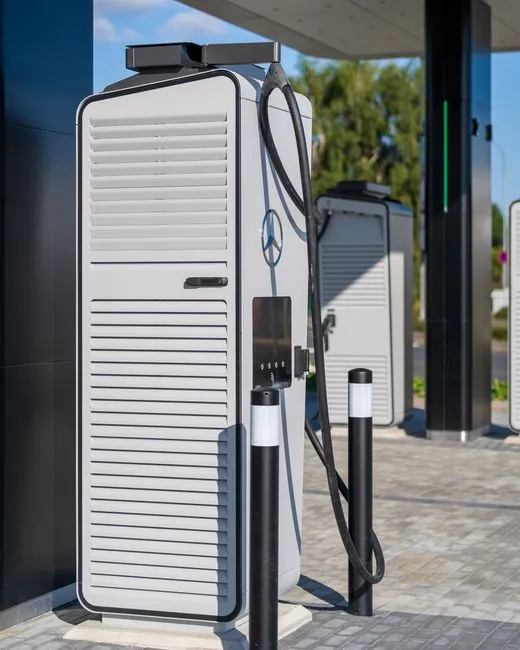
Electrify Canada focuses on highway corridor charging with 150 kW-plus stations at service centres and retail locations along major routes. The network’s strength is power delivery — many stations support 350 kW charging for compatible vehicles, which adds significant range in under twenty minutes. Pricing is generally higher than Level 2 networks but competitive with other DC operators. The Electrify Canada app provides station status and payment, but drivers report occasional station downtime that requires backup charging plans on long routes.
ChargePoint
ChargePoint operates one of the largest EV charging networks in Canada, with dense urban coverage in major cities and growing highway presence. The network’s app includes trip planning and payment, and ChargePoint’s home charging hardware is popular among residential buyers who want unified billing. Pricing varies by station owner, which means some ChargePoint locations are free while others charge premium rates. Drivers should check individual station pricing before plugging in, because assumptions about network-wide rates lead to unexpected costs.
FLO
FLO is strongest in Quebec and Ontario, where the network grew from utility-backed installation programs into a comprehensive charging ecosystem. FLO stations are common at municipal lots, shopping centres, and workplace locations, and the network’s membership program offers discounted rates for frequent users. FLO’s reliability record in Quebec is strong, and the network’s integration with provincial utility programs makes it the default option for many urban drivers. Coverage in western Canada is thinner, which means FLO-only drivers should supplement with other networks for cross-country trips.
Tesla Supercharger and Petro-Canada
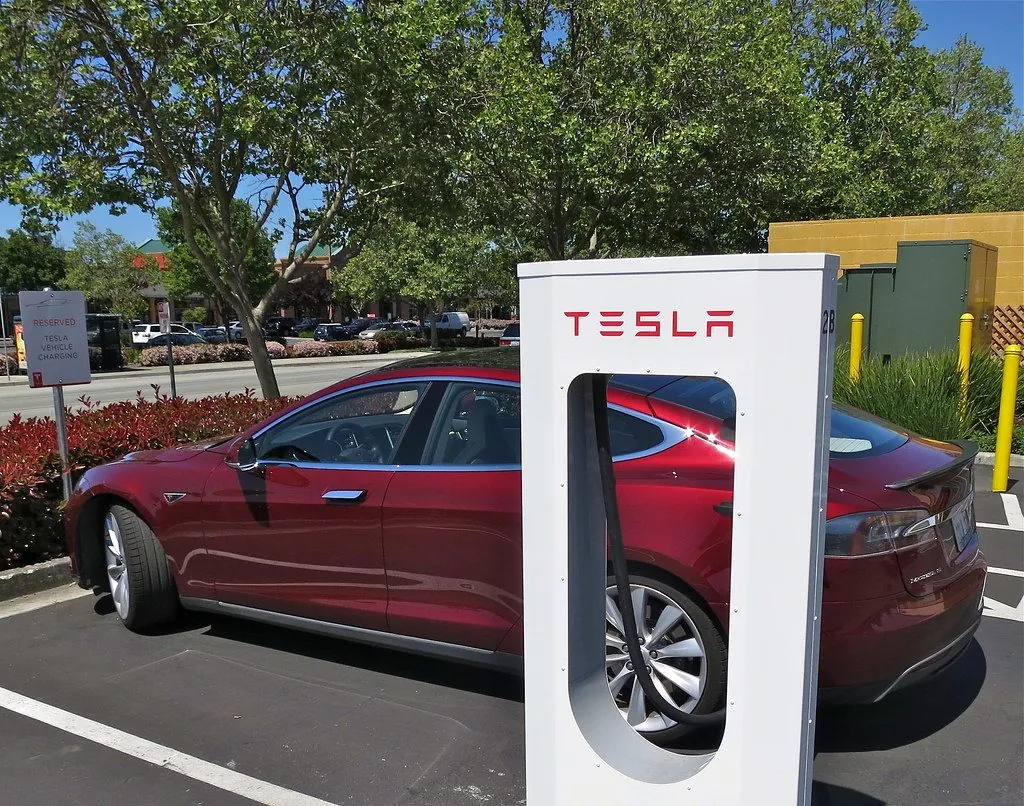
Tesla Supercharger access is expanding to non-Tesla EVs through adapters and native NACS ports, which increases usable network density for all brands. The Supercharger network’s reliability and uptime remain higher than most competing DC networks, which makes it a preferred option for long trips when compatibility allows. Petro-Canada’s EV charging network provides another highway option with clean, modern stations and competitive pricing. Canadian drivers benefit from this network competition because pricing, reliability, and coverage all improve as operators vie for market share.
Looking for EV deals, insurance, or financing? Check out our partner deals and offers.
If you found this guide helpful, use our Tesla referral link for free Supercharging credits on a new Tesla purchase or lease in Canada.
Next story · swipe left
Next story
PQ Wins Quebec Election With Plans to Keep EV Rebates Alive
4 min read
Parti Québécois plans to maintain Quebec's $2,000 EV rebate beyond 2026 and raise zero-emission vehicle targets amid minority government.
The Charge Brief
Get Canada’s EV transition in your inbox
One email a day. No spam, unsubscribe anytime.