
vehicles
chargingRivian Tells Early R2 Owners to Pause DC Fast Charging — What Canadian Buyers Should Know
Rivian has asked some early R2 owners to pause DC fast charging until an inspection is done — here is what the advisory means for Canadian reservation holders and winter road-trip planning.
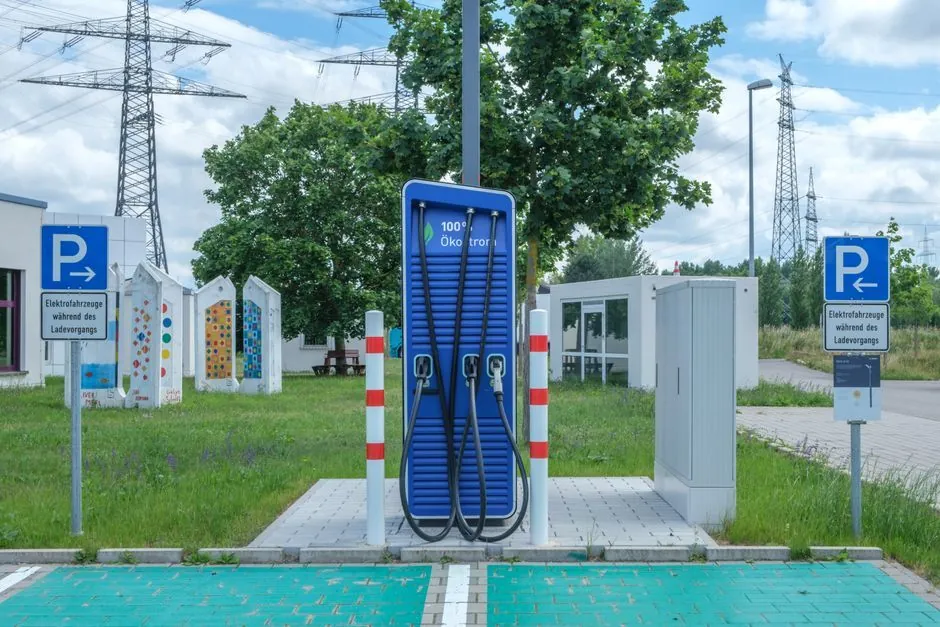
Rivian has spent two years telling Canadians that the R2 is the electric SUV that will make the brand mainstream, not just a toy for adventure YouTubers. Now, with the first customer deliveries underway, the company has sent a quieter message to a subset of early owners: pause DC fast charging until your vehicle has been inspected. The advisory is narrow, but it lands at exactly the wrong moment for Canadian buyers who have been circling the R2 as their next vehicle — and it is worth understanding what is actually being asked before anyone cancels a reservation.
What the advisory actually says
The pause applies to select early-production R2 vehicles, not the entire fleet. Rivian is asking affected owners to rely on Level 2 home charging while a service inspection confirms that the high-voltage system is within spec. Nothing in the advisory suggests a widespread battery defect, and Rivian has not issued a Transport Canada recall notice over it. That matters, because an informal inspection request is a very different thing from a safety recall — it reads more like a cautious manufacturer flagging a manufacturing variance on early builds than a company bracing for a fire scandal. Still, any advisory touching fast charging is worth taking seriously in a country where DC fast chargers are the lifeline of winter road trips.
Why Canadian R2 buyers should care more than most
In California, pausing DC fast charging is an inconvenience. In Canada, it can be a plan-killer. Our highway corridors are long, our winters are brutal on range, and public Level 2 charging is often too slow to be useful mid-journey. An R2 owner in Toronto or Vancouver with a home charger can ride out an inspection window without changing their routine. An owner in Saskatoon planning a Christmas drive to Calgary cannot. That asymmetry is why charging advisories deserve more attention here than in the US market coverage suggests, and it is a reminder that the first year of any new EV platform is when early adopters absorb the rough edges.
The R2 stakes for Rivian in Canada
The R2 is Rivian's make-or-break vehicle. It is smaller and far cheaper than the R1S, aimed squarely at the compact electric SUV segment where Canadian buyers actually shop. Rivian's Canadian footprint — a handful of service locations, a growing but thin network — means the brand is asking early adopters here to accept more logistical friction than a Ford or Hyundai buyer would. Advisories like this one are a test of whether Rivian's service operation can respond quickly enough to keep Canadian confidence intact. If inspection slots are scheduled within days, this will be forgotten by fall. If owners wait weeks, reservations will start drifting toward Kia EV3 and Hyundai Ioniq 5 showrooms, where sub-$50k electric SUVs are already sitting on lots.
What to do if you have an early R2 on order
If your R2 has already been delivered or is in transit, check your Rivian app for any service flags before planning a fast-charging-dependent trip. If you are still waiting on delivery, nothing about the advisory changes the vehicle's fundamentals — the R2 remains one of the most compelling sub-$50k electric SUVs heading to Canada, with strong range, a genuinely useful cabin, and off-road credibility that most rivals fake. The lesson is not to avoid the R2; it is to be an informed early adopter: confirm home Level 2 charging before delivery, keep fast charging as a road-trip tool rather than a daily habit, and treat first-model-year advisories as part of the deal when you buy from a young manufacturer.
The bigger picture for Canadian EV buyers
This is also a good moment to remember what early adoption really costs. Every manufacturer — Tesla included — has issued first-year charging or battery advisories on new platforms. The R2 pause is a caution flag, not a red one. For Canadian buyers, the practical takeaway is simple: whatever EV you buy next, the ability to charge slowly and reliably at home matters more than any spec sheet, because it is the one thing that makes you immune to the network-level surprises that come with any new platform's first year on the road.
Looking for EV deals, insurance, or financing? Check out our partner deals and offers.
If you found this guide helpful, use our Tesla referral link for free Supercharging credits on a new Tesla purchase or lease in Canada.
Next story · swipe left
Next story
EV Public Charging Costs Canada 2026: What Drivers Actually Pay
6 min read
Public EV charging costs in Canada vary by network, province, and membership. Here is what drivers pay per kWh, per minute, and per session in 2026 — and how to minimize costs.
The Charge Brief
Get Canada’s EV transition in your inbox
One email a day. No spam, unsubscribe anytime.