
Guide to Tesla Winter Driving in Canada for 2026
Range loss, preconditioning, winter tires and Supercharging tips for Canadian Tesla drivers preparing for winter.

Canadian winters can have a significant impact on a Tesla’s range, charging speed and driving performance. This guide covers battery preconditioning, winter tires, Supercharging in freezing temperatures and planning longer road trips.
How much range does a Tesla lose in a Canadian winter?
The battery requires energy to maintain its operating temperature, and heating the cabin and driving through snow can further reduce efficiency.
In February 2025, the Canadian Automobile Association tested 14 electric vehicles in temperatures from -7°C to -15°C. The Tesla Model 3 travelled 410 km against an official Natural Resources Canada range of 584 km, a 30% reduction.
- Model 3: 584 km official, 410 km winter, 30% reduction
- Ford Mustang Mach-E: 483 km official, 334 km winter, 31% reduction
- Polestar 2: 444 km official, 384 km winter, 14% reduction
Preconditioning and scheduled departure
Preconditioning warms the battery and cabin before departure, reducing the energy required after you start driving. When the vehicle is plugged in, it can use electricity from your home charger.
Tesla recommends activating climate controls at least 30 to 45 minutes before departure. Use Controls > Schedule to set departure times and preconditioning.
It is best to precondition while plugged in and schedule charging to finish close to departure time.
Winter tires in Canada
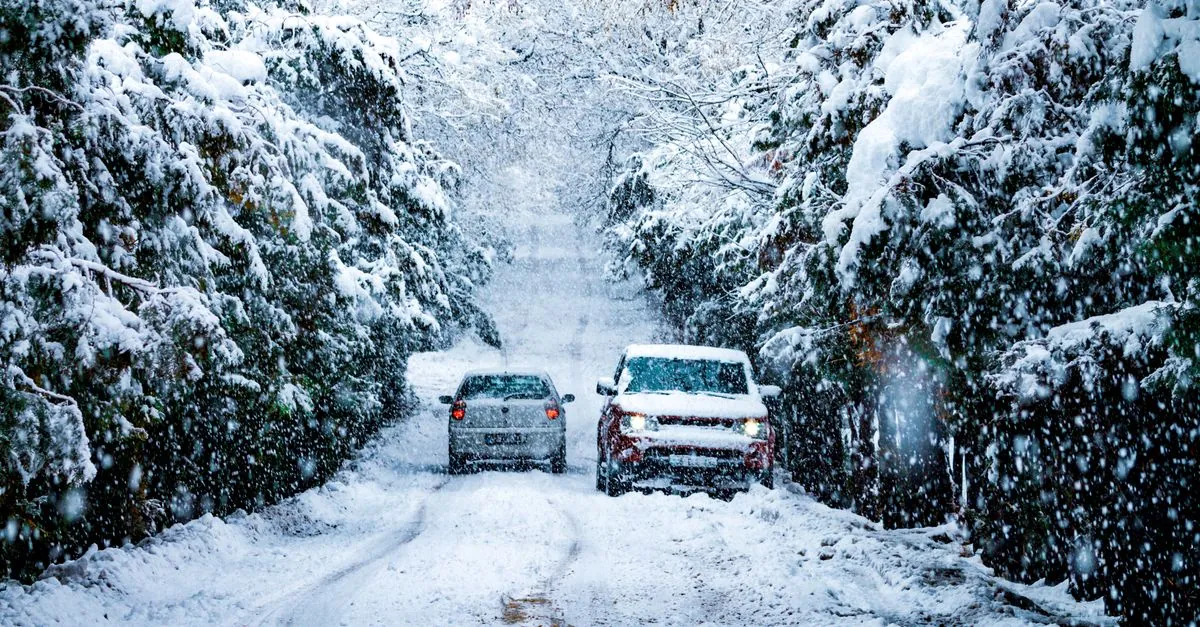
Tesla recommends winter tires when driving in cold temperatures or where snow and ice may be present. Transport Canada notes summer and all-season compounds begin losing elasticity below about 7°C.
Provincial requirements as of October 2026:
- Quebec: mandatory December 1 to March 15 for Quebec-registered vehicles
- British Columbia: required on designated highways October 1 to April 30
- Ontario: not mandatory; insurers must offer a winter tire discount
- Manitoba: financing available through MPI up to $2,000 per vehicle
Charging and Supercharging in cold weather
Cold batteries cannot accept energy as quickly as warm batteries. Tesla automatically heats the battery when you navigate to a Supercharger. It is recommended to navigate to the charger at least 30 to 45 minutes before arrival.
If your charge port freezes, use the Defrost Car function in the Tesla app or the Inlet Heater setting under Controls > Service where available.
Looking for EV deals, insurance, or financing? Check out our partner deals and offers.
If you found this guide helpful, use our Tesla referral link for free Supercharging credits on a new Tesla purchase or lease in Canada.
Next story · swipe left
Next story
Quebec Parties Split on EV Strategy Ahead of Monday's Election: ZEV Mandates, Rebates and Charging Compared
5 min read
Electric Mobility Canada and AVEQ analysis shows five major parties offer sharply different approaches: Liberals and CAQ keep sales mandates at 80% by 2035, PQ targets 85% by 2034, Québec solidaire wants a 2035 gas-car ban, Conservatives would scrap the standard entirely. Rebates, home charging and MURB rules also divide the field.
The Charge Brief
Get Canada’s EV transition in your inbox
One email a day. No spam, unsubscribe anytime.