
EV Public Charging Costs Canada 2026: What Drivers Actually Pay
Public EV charging costs in Canada vary by network, province, and membership. Here is what drivers pay per kWh, per minute, and per session in 2026 — and how to minimize costs.
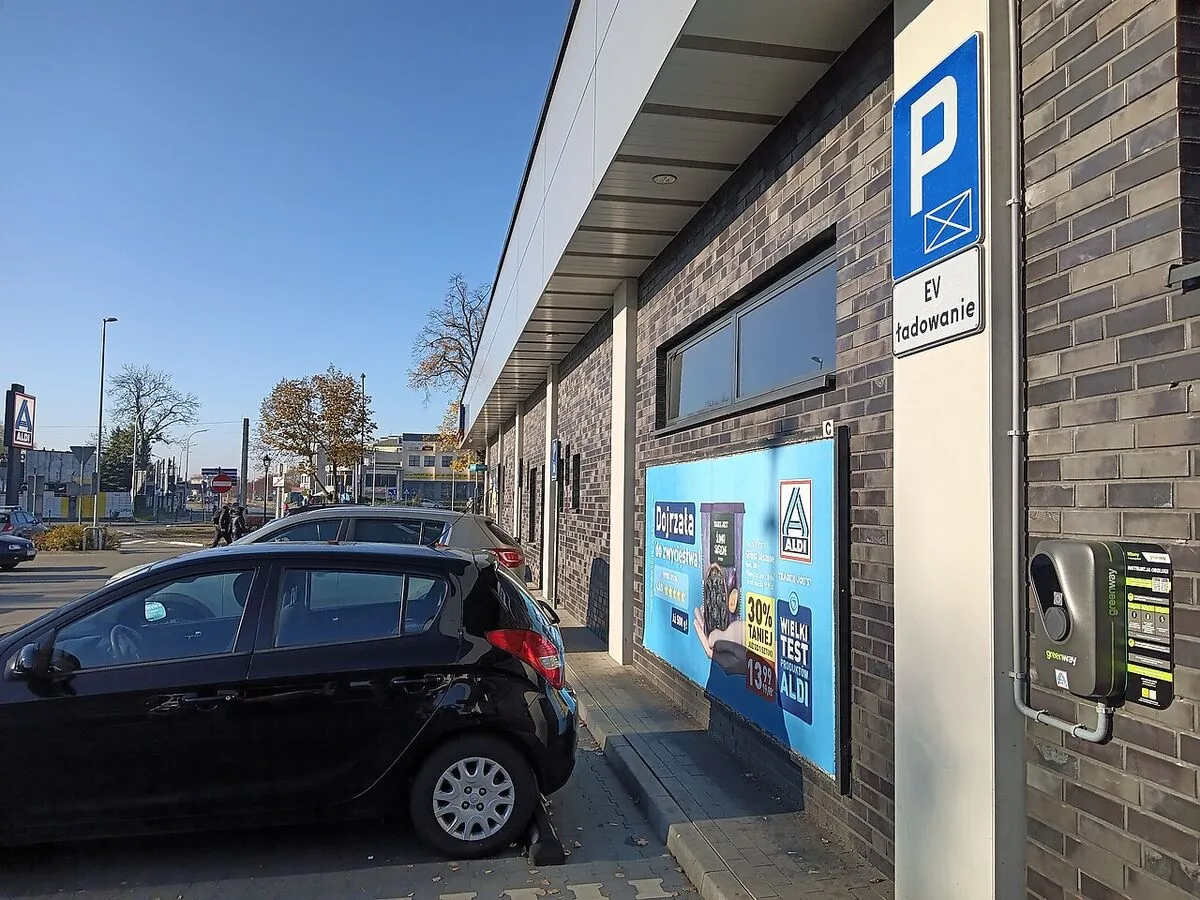
Public EV charging costs in Canada are not uniform, and assuming a single price per session is a mistake. Networks charge by the kilowatt-hour, by the minute, or by a hybrid of both with session fees, and the cheapest option depends on your vehicle’s onboard charger, the station’s power level, and whether you hold a membership. In 2026, informed drivers can reduce charging costs significantly by choosing the right network and timing their sessions strategically.
Per-kWh vs Per-minute Pricing
Per-kWh pricing is fairer for drivers with slower onboard chargers because you pay for energy delivered, not time spent plugged in. Per-minute pricing punishes vehicles that cannot accept high power, because the session runs longer while the bill climbs at the same rate. Some networks use a hybrid model: a lower per-kWh rate with a time component that activates once charging slows, which protects the operator from idle vehicles while keeping fast-charging vehicles affordable.
Membership Discounts
Most Canadian networks offer membership tiers that reduce effective costs by twenty to forty percent. Electrify Canada, ChargePoint, and FLO all have subscription options, but the value depends on how often you charge with that specific network. A driver who mixes networks on road trips may find it cheaper to pay retail rates everywhere than to maintain multiple memberships. Calculate your expected monthly charging volume before subscribing.
Session and Idle Fees
Idle fees are now standard on most Canadian DC networks. Once your vehicle reaches its target state of charge, the charger transitions to an idle rate that is usually much higher than the charging rate, which encourages drivers to move their vehicles promptly. Session fees — flat charges per visit — are also common and discourage short top-ups. Drivers should factor these fees into road-trip planning because a ten-minute top-up with a session fee can cost more than a longer session without one.
Minimizing Costs
The cheapest public charging in Canada remains Level 2 at municipal stations, shopping centres, and hotels, where many locations still offer free or low-cost sessions. DC fast charging is expensive by comparison, but it is essential for long trips. Drivers who can charge at home overnight should reserve public charging for road trips and emergencies, because residential electricity rates are far below public DC rates in every province.
Looking for EV deals, insurance, or financing? Check out our partner deals and offers.
If you found this guide helpful, use our Tesla referral link for free Supercharging credits on a new Tesla purchase or lease in Canada.
Next story · swipe left
Next story
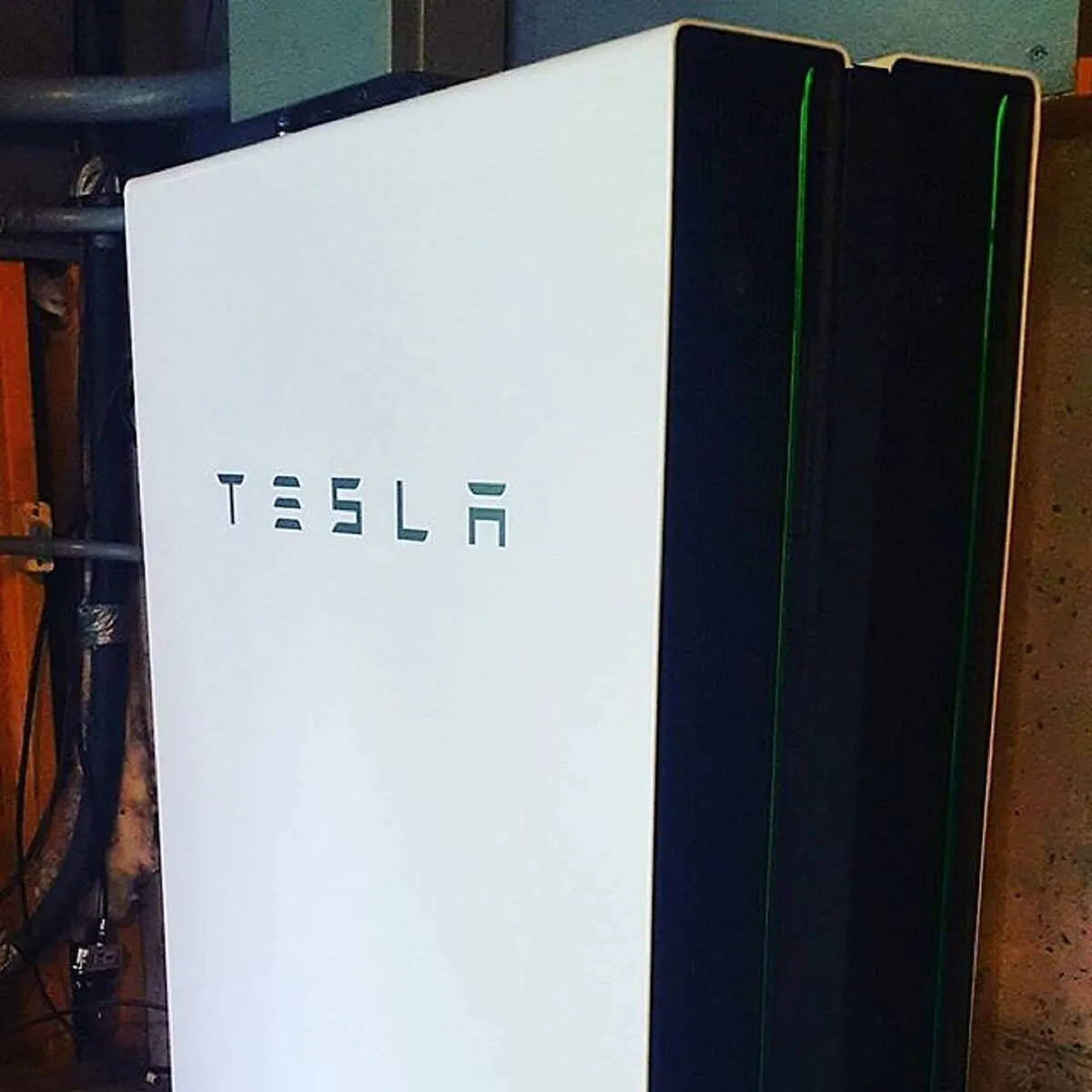
Tesla Powerwall in Canada 2026: Is It Worth It for Ontario and Quebec Homes?
4 min read
Tesla Powerwall in Canada — cost, installation, net metering value, and whether a home battery makes financial sense in Ontario and Quebec electricity markets.
The Charge Brief
Get Canada’s EV transition in your inbox
One email a day. No spam, unsubscribe anytime.