
infrastructure
Are EV Public Chargers Reliable in Canada? A Look at Uptime and What To Do When They're Not
EV public charger reliability in Canada — uptime statistics by network, what causes station outages, and how to handle a broken charger on a road trip.
Public EV charger reliability is the single most common complaint from Canadian EV drivers, and it's not entirely without basis. Networks have improved, but the experience of arriving at a station that's offline, occupied, or slower than advertised still happens often enough to require a strategy. Here's the current reliability picture and how to work around it.
Uptime reality by network
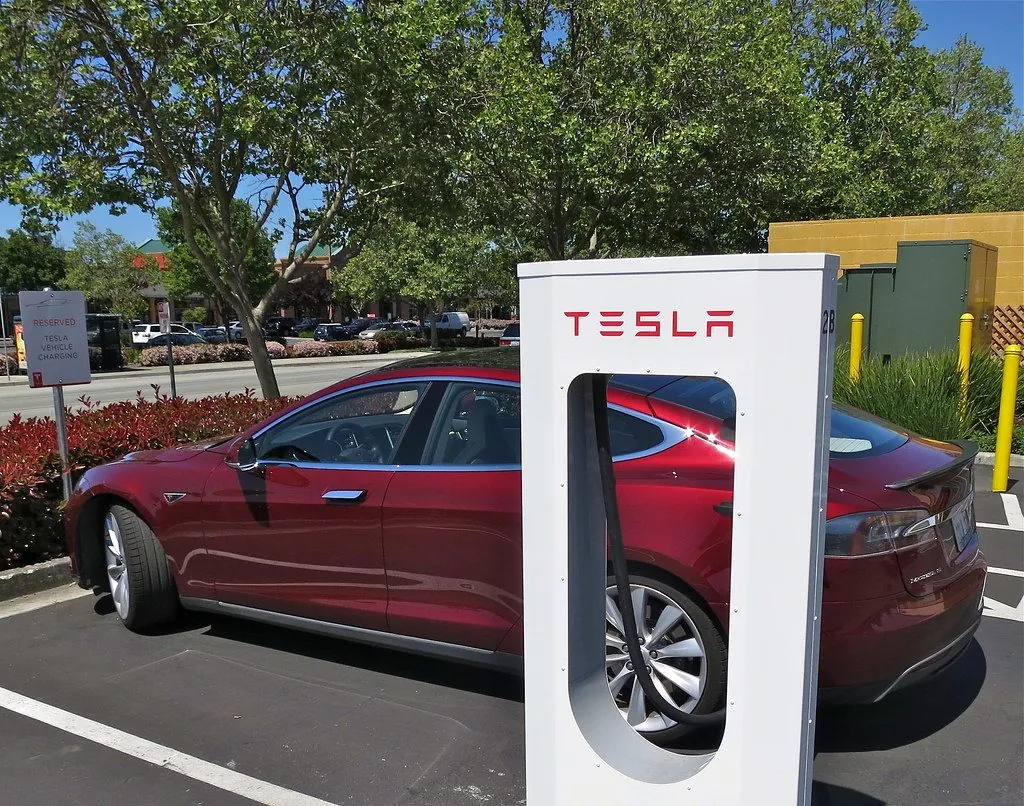
Tesla Superchargers have the highest reliability in Canada — historical data from EV owner forums puts Supercharger uptime in the 95–98% range. The network's closed nature means only Tesla vehicles can use it, which reduces both the demand pressure and the misuse that damages other networks. Flo and ChargePoint stations are more variable — urban corridor stations run 85–92% uptime, while rural stations on less-travelled routes dip below 80%. Ionna is building new stations but hasn't accumulated enough data for meaningful uptime statistics yet.
Why stations go offline
The most common cause is payment-terminal failures — the credit card reader or app authentication system stops working while the charger hardware itself is fine. Network maintenance accounts for many planned offline periods, but they're often communicated only through the app and not visible on the map. Hardware failures — damaged cables, broken connectors, firmware bugs — are less common but take longer to repair because they require a technician visit. Cold-weather-related failures are a Canadian-specific issue: extreme temperatures can affect both payment terminals and charging electronics in stations that aren't properly winterized.
PlugShare is your best tool
Before any Canadian EV road trip, load the stations you plan to use into PlugShare and read the recent comments. Users report offline stations faster than networks update their own maps. A station with three recent "not working" comments in the last week is a risk you should plan around. PlugShare's community is particularly active on the Quebec–Ontario–Maritimes corridors where charging infrastructure is densest but demand is highest.
Road-trip backup strategy
Never rely on a single station for a critical charge stop on a long drive. Identify at least two stations within 20 km of your planned stop, so one offline station doesn't strand you. Keep a Level 1 120V emergency charger in your trunk — it adds 5–8 km per hour, which is enough to limp to the next station if your fast-charging plan fails. On holiday weekends, add a third backup option and arrive at stations with at least 20% battery remaining, so you have time to reroute.
What to do when you find a broken station
Report it through the network's app or website — most networks track station health through user reports, and your report helps the next driver. If the station is on a critical route and you're stuck, call the network's customer support line; some networks have 24/7 phone support for road-trippers. In Quebec, the Electric Circuit network has a responsive support team that can dispatch a technician in many cases. In Ontario, Flo's support is similarly reachable by phone.
The bottom line
Canadian public EV charging is reliable enough for daily use and most road trips, but it's not gas-station reliable yet. Check PlugShare before you leave, have a backup station plan, and carry an emergency Level 1 cable. The networks are improving — Flo and ChargePoint have both invested in station maintenance and payment-terminal upgrades — but the gap between Canadian EV infrastructure and the gasoline equivalent is still visible on long drives.
Looking for EV deals, insurance, or financing? Check out our partner deals and offers.
If you found this guide helpful, use our Tesla referral link for free Supercharging credits on a new Tesla purchase or lease in Canada.
Next story · swipe left
Next story
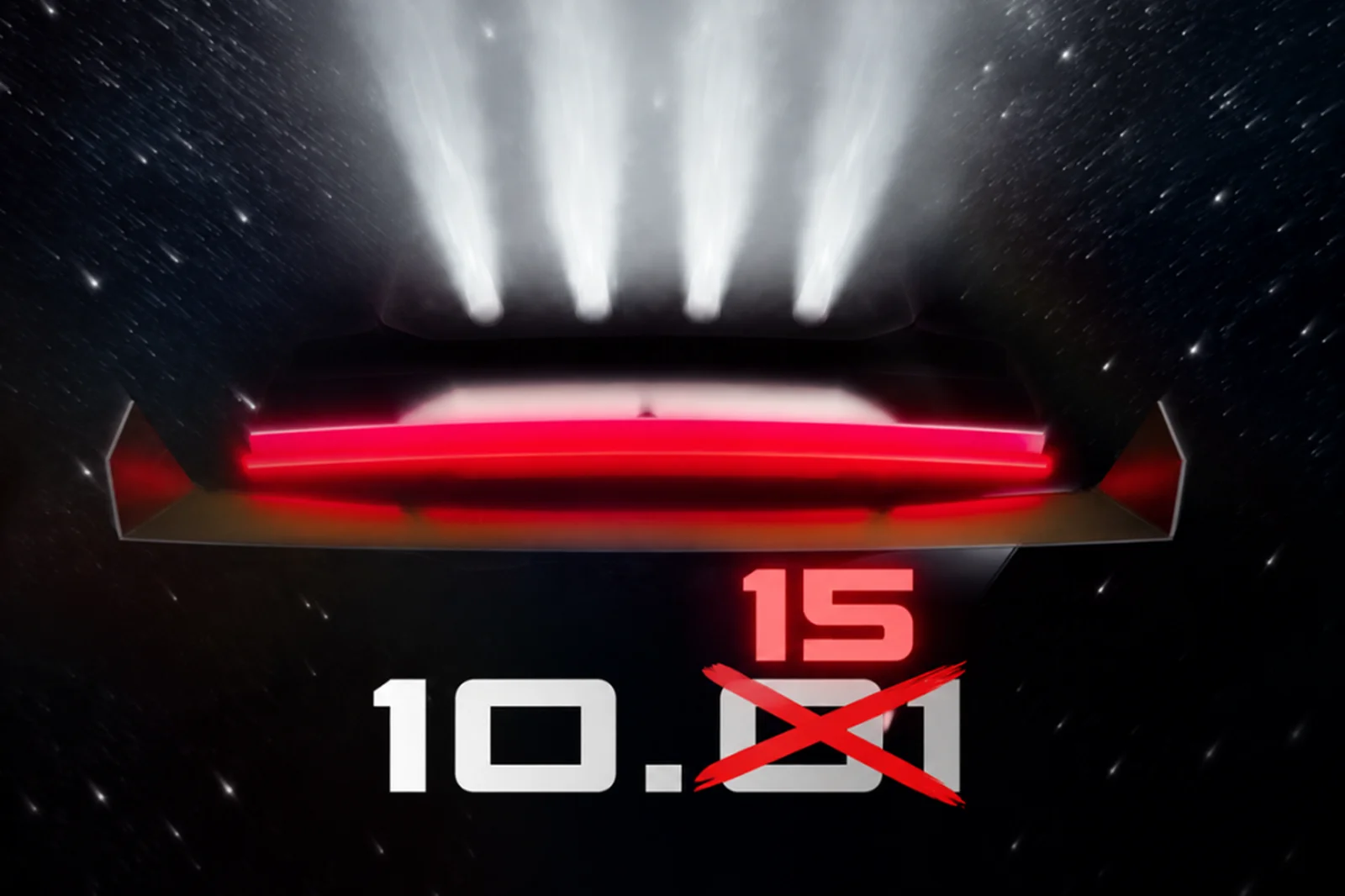
Tesla Reschedules Next-Gen Roadster Reveal to October 15 Due to Severe Weather
3 min read
Tesla moved the Roadster reveal from October 1 to October 15, citing severe weather at the outdoor venue near SpaceX's McGregor, Texas test facility. Invitations had already gone to Roadster reservation holders.
The Charge Brief
Get Canada’s EV transition in your inbox
One email a day. No spam, unsubscribe anytime.