
vehicles
EV Winter Efficiency vs Gas Cars in Deep Cold
How -30°C affects EVs versus gasoline cars — range loss, fuel penalty, block heaters, idling, and which drivetrain actually suffers more in Canadian winters.
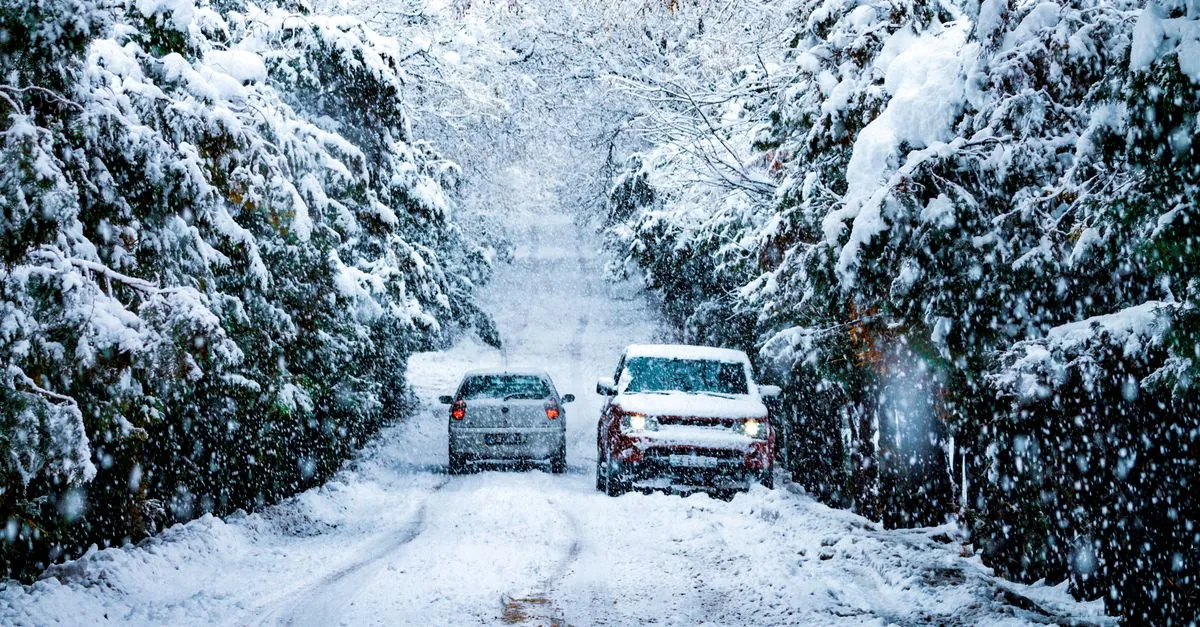
Winter is Canada's favourite anti-EV argument, so let's take it seriously: what actually happens to both drivetrains at -30°C, and which one suffers more?
What cold does to EVs — the honest version
Lithium-ion batteries perform worse when cold: chemical reactions slow, regenerative braking is limited to protect the pack, and — the big one — cabin heating draws from the same battery that moves the car. Real-world Canadian winter data shows EV range falling 20 to 35 percent in deep cold, with the worst hits on short trips where the cabin heat never stops working. Heat pumps, now standard on most new models, claw back a meaningful share versus resistive heating. Preconditioning while plugged in shifts the burden to the grid instead of the battery. It's a real limitation that Canadian EV owners manage daily — and it shrinks every model year as thermal management improves.
What cold does to gas cars — the forgotten version
Here's the part of the comparison that rarely gets airtime: gasoline cars are also dramatically worse in deep cold. Cold-start enrichment, increased friction in frozen fluids, longer warmups, and winter fuel blends cut fuel economy by 15 to 25 percent or more in Canadian winters. Idling to warm up — a national pastime — burns fuel at zero kilometres per litre. Block heaters, standard equipment in much of the country, pull grid power for hours before every winter drive. And the emissions story is ugly: cold-engine starts produce several times the pollution of a warmed engine, which is why winter inversions trap smog over prairie cities every January.
The efficiency comparison at temperature
Even at their winter worst, EVs remain far more efficient at converting energy into motion — electric drivetrains convert over 85 percent of energy to movement versus roughly 20 to 30 percent for combustion engines in ideal conditions, and worse in cold. An EV that loses 30 percent of its summer range in January is still consuming less energy per kilometre than a gas car that loses 20 percent of its summer fuel economy. The EV's problem is range perception; the gas car's problem is wasted energy invisible to the driver.
Where each drivetrain genuinely wins
Gas wins on refuelling speed in extreme cold and on range consistency for very long remote routes — a jerrycan extends a gas car's range in ways no charger in Churchill can. If your life involves regular 500-kilometre arctic hauls, the calculus genuinely differs.
EVs win
The emissions angle in January
Even grid-charging in winter carries the grid's emissions profile — but combustion cars in winter run at their dirtiest precisely when air quality matters most. The cold-weather pollution spike is a public-health event every Canadian winter; electrifying the fleet is the only structural fix on the table.
The bottom line
Winter punishes both drivetrains — it just punishes them differently. The EV loses visible range; the gas car loses invisible efficiency and dumps extra pollution into frozen air. For the vast majority of Canadian driving patterns — daily commutes, regional trips, home charging — the EV's winter management is a solved inconvenience, while the gas car's winter penalty remains an unmanaged cost. Our winter EV buying guide covers the models that handle it best.
Looking for winter-ready EV deals? Check our offers and partners.
If you found this guide helpful, use our Tesla referral link for free Supercharging credits on a new Tesla purchase or lease in Canada.

Next story · swipe left
Next story
Best Electric Cars for Canadian Winters: AWD EVs That Actually Work
7 min read
Best electric cars for Canadian winters in 2026 — AWD EVs tested on snow, ice, and -20°C range loss. Which models actually work when temperatures drop and roads get slippery.
The Charge Brief
Get Canada’s EV transition in your inbox
One email a day. No spam, unsubscribe anytime.