
infrastructure
chargingA $418 EV Charging Bill Shows Why Canadians Need to Check Charger Rates Before Plugging In
A Michigan driver was billed $418 for a 44-minute session at a dealership charger listed as public — $5/kWh plus $5/minute, 31x the normal rate. Here's how Canadian drivers can avoid bill shock at dealer and host-owned chargers.
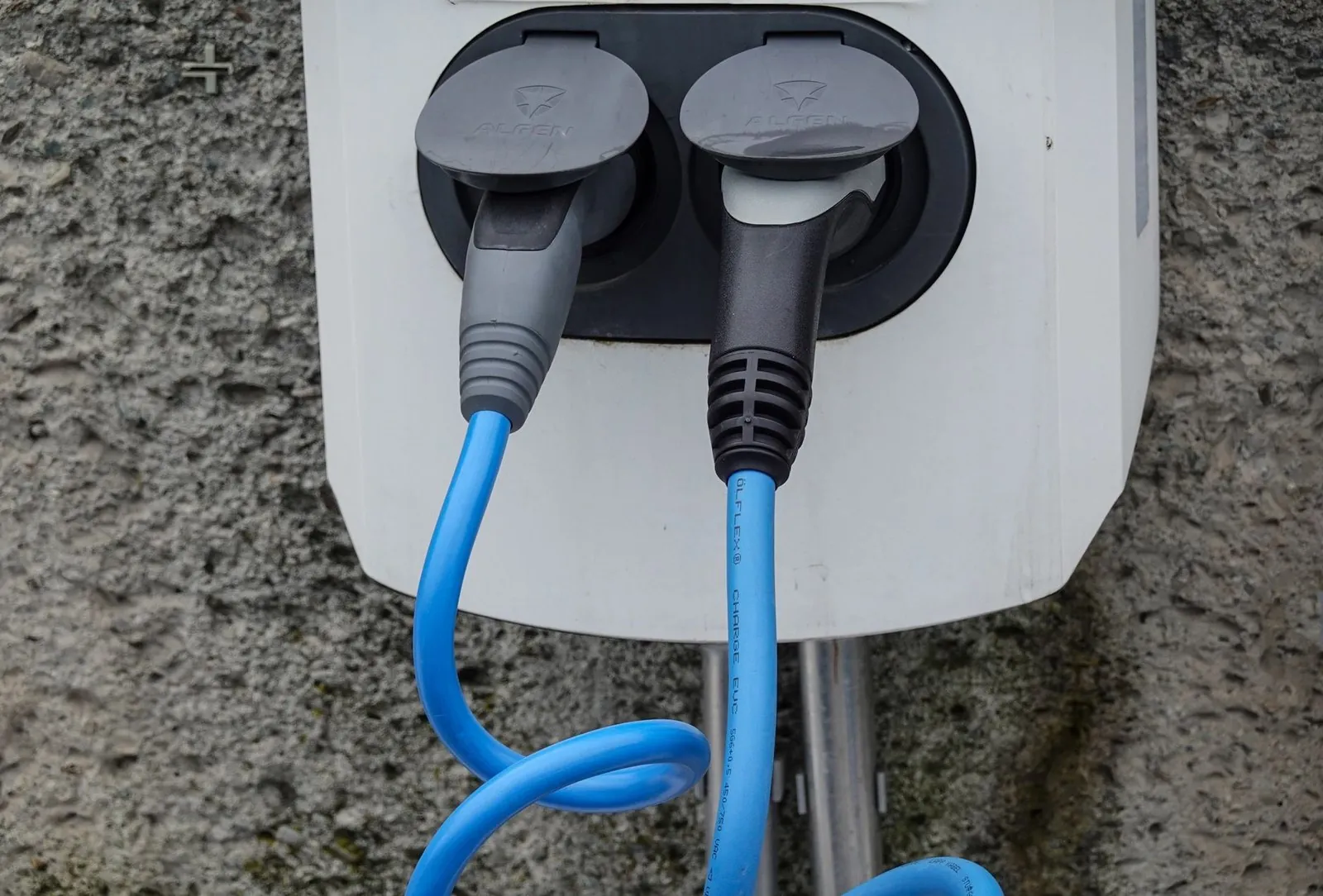
A driver who plugged a rented Chevrolet Bolt into a dealership charger listed as public in his charging app ended up with a $418 bill for a 44-minute session — a rate structure of $5 per kilowatt-hour plus $5 per minute that worked out to roughly 31 times what the session should have cost. The story, first reported by Detroit's WXYZ and detailed by The Drive, is a worst-case version of a risk Canadian EV drivers face too: host-owned chargers whose pricing is set to deter the public, quietly surfaced on roaming apps.
What actually happened
The driver, Stanley Kpenkann, found the charger — a ChargePoint unit at a Hyundai dealership in Macomb Township, Michigan — through the EVgo app, which lists ChargePoint stations under a roaming agreement between the two networks. With roughly 20 minutes of range left, he started the session without seeing a price, though the rate was apparently displayed on the charger's own screen. The Bolt's 65-kWh battery and the 44-minute session produced the $418 total. EVgo eventually issued a $405 "goodwill refund," leaving the driver to pay the $13.27 the session would have cost under his normal plan. The dealership told the station the charger is reserved for its own customers and priced exorbitantly to deter public use.
Why this matters in Canada
The same structural risk exists here. Canadian charging is a mix of major networks — Petro-Canada, Flo, ChargePoint, Ivy, BC Hydro, and Tesla's Superchargers — plus thousands of host-owned units at dealerships, hotels, malls and municipal lots whose pricing the property owner controls. Roaming agreements and aggregator apps surface those host-owned units alongside network-operated stations, and the app experience doesn't always make the per-kWh and per-minute components visible before the session starts.
The pricing gap is the real hazard. The average Level 3 DC fast-charging rate in the U.S. is about $0.53 per kWh, according to an analysis by charging-installation firm Qmerit cited in The Drive's report — meaning the Michigan charger's $5/kWh rate was nearly 10 times normal before the per-minute fee even entered the math. Canadian DC fast-charging rates typically run from the high-$0.30s to the low-$0.60s per kWh depending on network and province, so a $5/kWh unit would stand out just as sharply here.
How to avoid bill shock at a Canadian charger
- Check the rate on the unit's screen before starting — the price per kWh and any per-minute or session fees are legally required to be disclosed, but they may not surface in the app that led you there
- Treat dealership chargers with caution — many are genuinely public, but some exist for service bays and customer vehicles, and deterrent pricing is the owner's way of saying so
- Prefer per-kWh pricing over per-minute — per-minute fees punish slow-charging vehicles and cold batteries; a well-planned charging stop on a per-kWh rate is predictable in a way per-minute billing never is
- Watch for idle and session fees — even mainstream Canadian networks charge idle fees after the session ends; deterrent-priced hosts can charge them during
- If you do get hit, dispute fast — the Michigan driver's refund came only after he escalated to the network; Canadian provincial consumer-protection bodies also cover misleading price disclosure
The bigger lesson for the charging transition
Bill-shock stories are fuel for EV skeptics, but the fix is straightforward transparency: networks shouldn't list stations on public maps without enforcing clear pre-session pricing disclosure. Until that's universal, the burden falls on drivers — check the screen, not just the map pin. For Canadian EV owners doing most of their charging at home, where our EV charging cost breakdown shows the per-kWh economics are a fraction of public rates, the occasional hostile public charger is an annoyance, not a deal-breaker.
Looking for EV deals, insurance, or financing? Check out our partner deals and offers.
If you found this guide helpful, use our Tesla referral link for free Supercharging credits on a new Tesla purchase or lease in Canada.

Next story · swipe left
Next story
How Long Do EV Batteries Last in Canada? What Real-World Data Shows
4 min read
EV battery degradation in Canadian climates: how much range you lose per year, the warranty that protects you, and the habits that stretch battery life.
The Charge Brief
Get Canada’s EV transition in your inbox
One email a day. No spam, unsubscribe anytime.