
infrastructure
chargingGet Paid to Charge at Home: Compare Every EV Charging Rewards Program in Canada
20 programs now share Clean Fuel Regulations credit revenue with Canadian EV drivers. New comparison page filters by province, charger type (Tesla Wall Connector vs OCPP), and payout schedule. Key rule: one program per charger per calendar year.

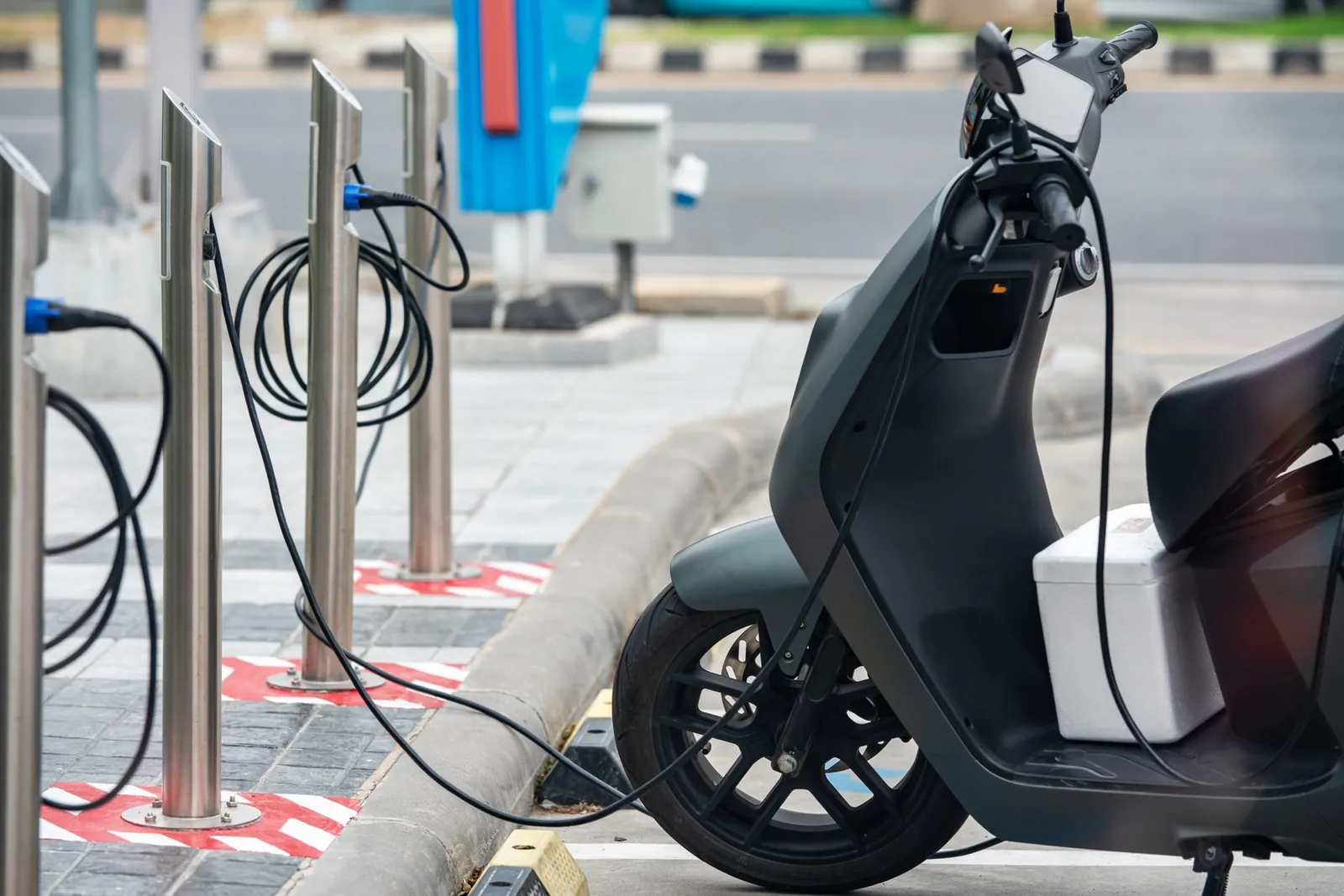
Canadian EV drivers can now earn money just by charging at home, thanks to Clean Fuel Regulations that let fuel suppliers sell compliance credits and share the revenue with drivers. But with 20 programs operating across the country — each with different hardware requirements, payout schedules, and exit terms — picking the right one has been a research project.
Drive Tesla Canada has launched a dedicated EV charging rewards comparison page that brings all 20 programs together with filters for province, charger type, and an earnings estimator.
How the programs work
Under Canada's Clean Fuel Regulations, fuel suppliers must reduce the carbon intensity of the fuels they sell. One compliance path: purchase credits from EV charging. Programs like WattsApp, RoadToEV, Roulez Électrique Club, and others act as aggregators — they register home chargers, generate credits, and pay drivers a share.
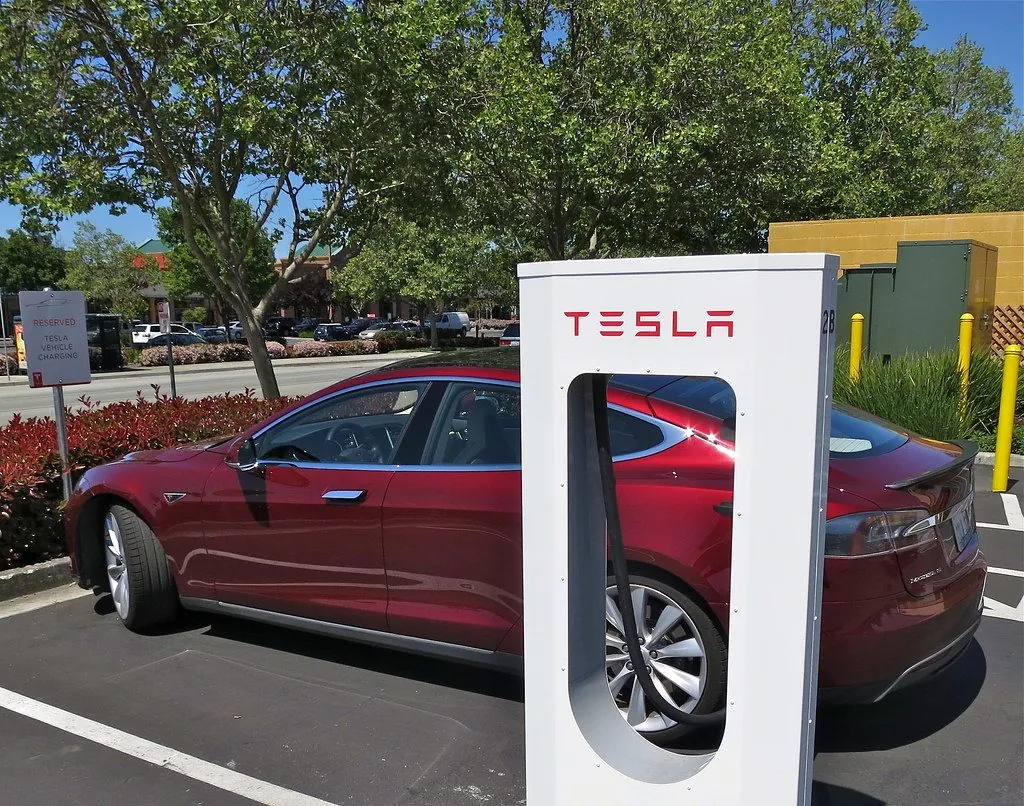
The payout per kWh varies by program and province. Most programs require an OCPP-compatible charger (ChargePoint, Flo, Grizzl-E, etc.), but three — WattsApp, RoadToEV, and Roulez Électrique Club — also accept the Tesla Wall Connector directly, making them the simplest options for Tesla owners.
Critical rule: one program per charger per year
A charger can only be enrolled in one program per calendar year. If you're already enrolled and sign up with another provider in the same year, you could disqualify your charger from both programs and lose your payout entirely.
To switch, you must leave your current program before December 31 and join the new one on or after January 1. Check the operator's exit terms in advance — some require written notice or specific de-registration steps.
What to compare beyond the headline rate
- Payout frequency: Many programs pay only once a year (typically Q1 of the following year).
- Hardware compatibility: OCPP vs. Tesla Wall Connector vs. proprietary.
- Provincial availability: Not all programs operate in every province.
- Exit terms: How to leave cleanly before a calendar-year switch.
- Estimator baseline: The comparison page defaults to 3,500 kWh/year of home charging — adjust the slider to match your actual usage.
Visit the comparison page
Compare all 20 programs, filter by your province and charger, and estimate your annual earnings. The page is updated as new programs launch or rates change.
Looking for EV deals, insurance, or financing? Check out our partner deals and offers.
If you found this guide helpful, use our Tesla referral link for free Supercharging credits on a new Tesla purchase or lease in Canada.
Next story · swipe left
Next story
Chevy Bolt and Equinox EV Top Canada's EVAP Rebate Claims in August 2026
5 min read
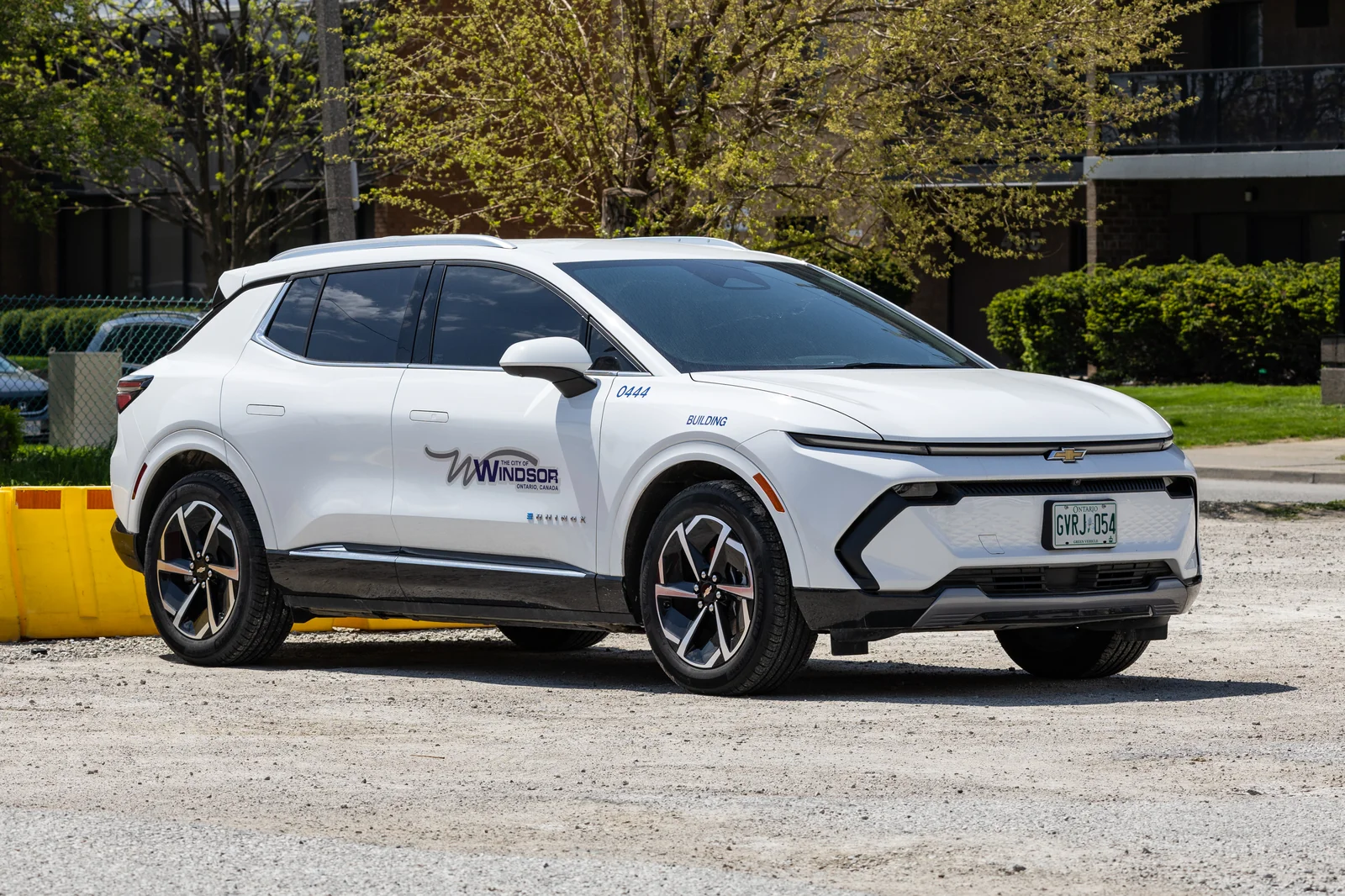
Chevrolet dominated August's EVAP rebate table: the Bolt claimed 1,911 incentives and the Equinox EV 1,212, dethroning Toyota and outselling the Model Y, Mach-E and bZ combined. Here is the breakdown and what the remaining $2 billion means for buyers.
The Charge Brief
Get Canada’s EV transition in your inbox
One email a day. No spam, unsubscribe anytime.