
infrastructure
chargingEV Charging Etiquette in Canada: How Not to Be That Guy at the Charger
Canadian EV charging etiquette — don't block stations, don't overstay, don't ICE-charge, and what to do when you find a busy station on a road trip.
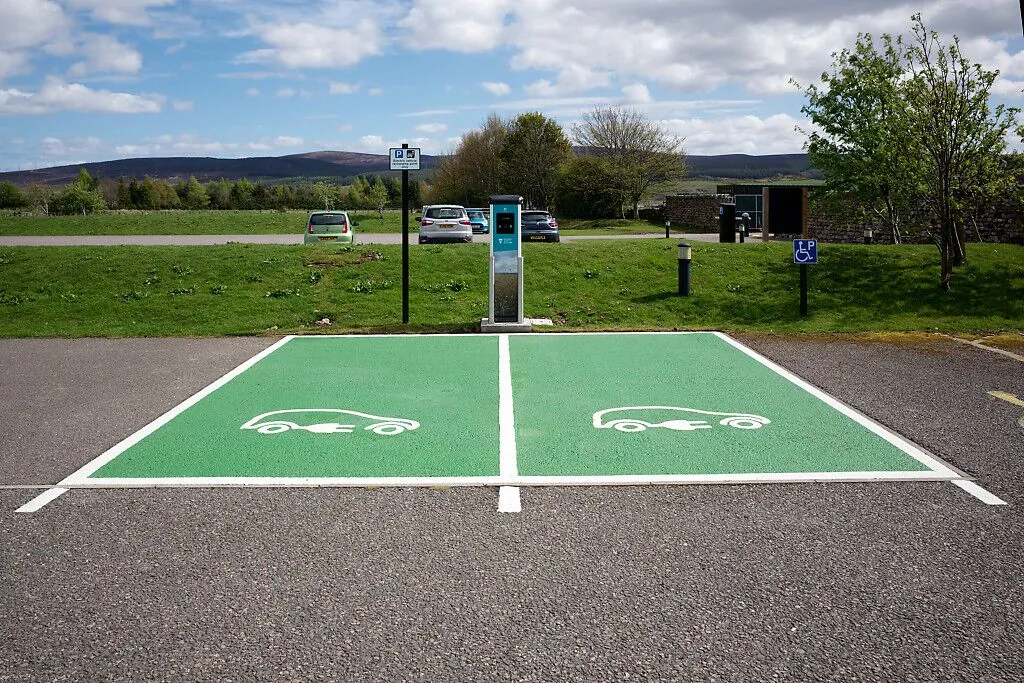
Canada's public charging network is getting denser, but it's still a shared resource. The etiquette around EV charging has settled into unwritten rules that most drivers learn from experience — and a few that should be explicit because violating them genuinely harms other drivers. Here are the ones that matter.
Charge and move
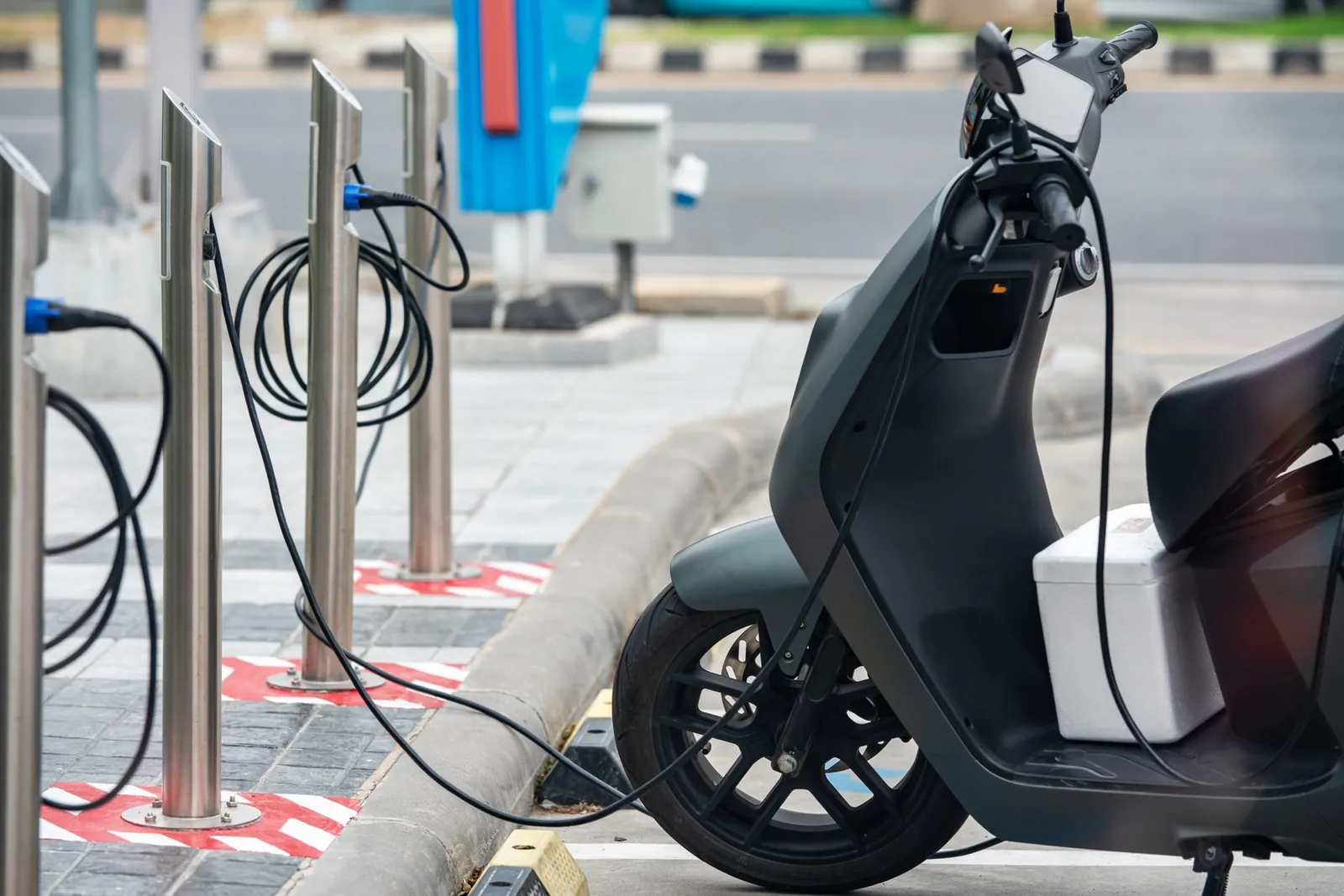
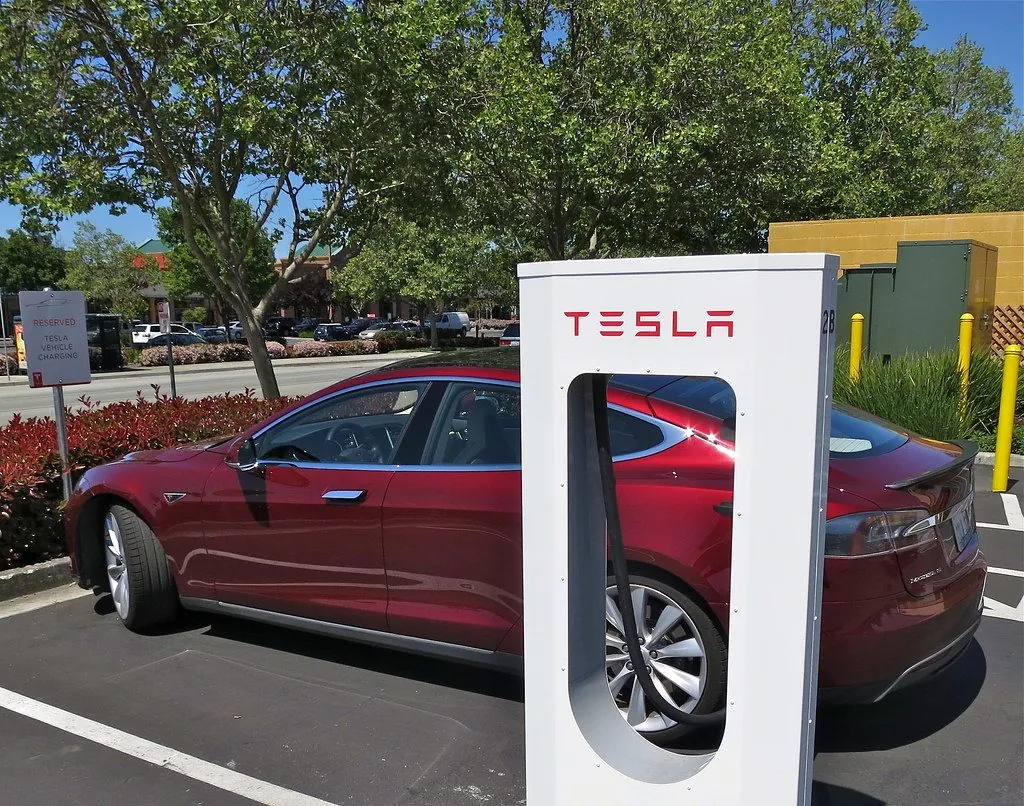
The single most important rule: once you hit 80% and the station is free, move. DC fast chargers slow down meaningfully above 80% — you're not gaining much range, but you're occupying a station someone else needs. Most Canadian networks bill per minute or per kWh above 80%, so there's a financial incentive too. If you're at a Level 2 station in a grocery store lot and your car is full, move it to a regular spot.
Don't block a charger with an ICE vehicle
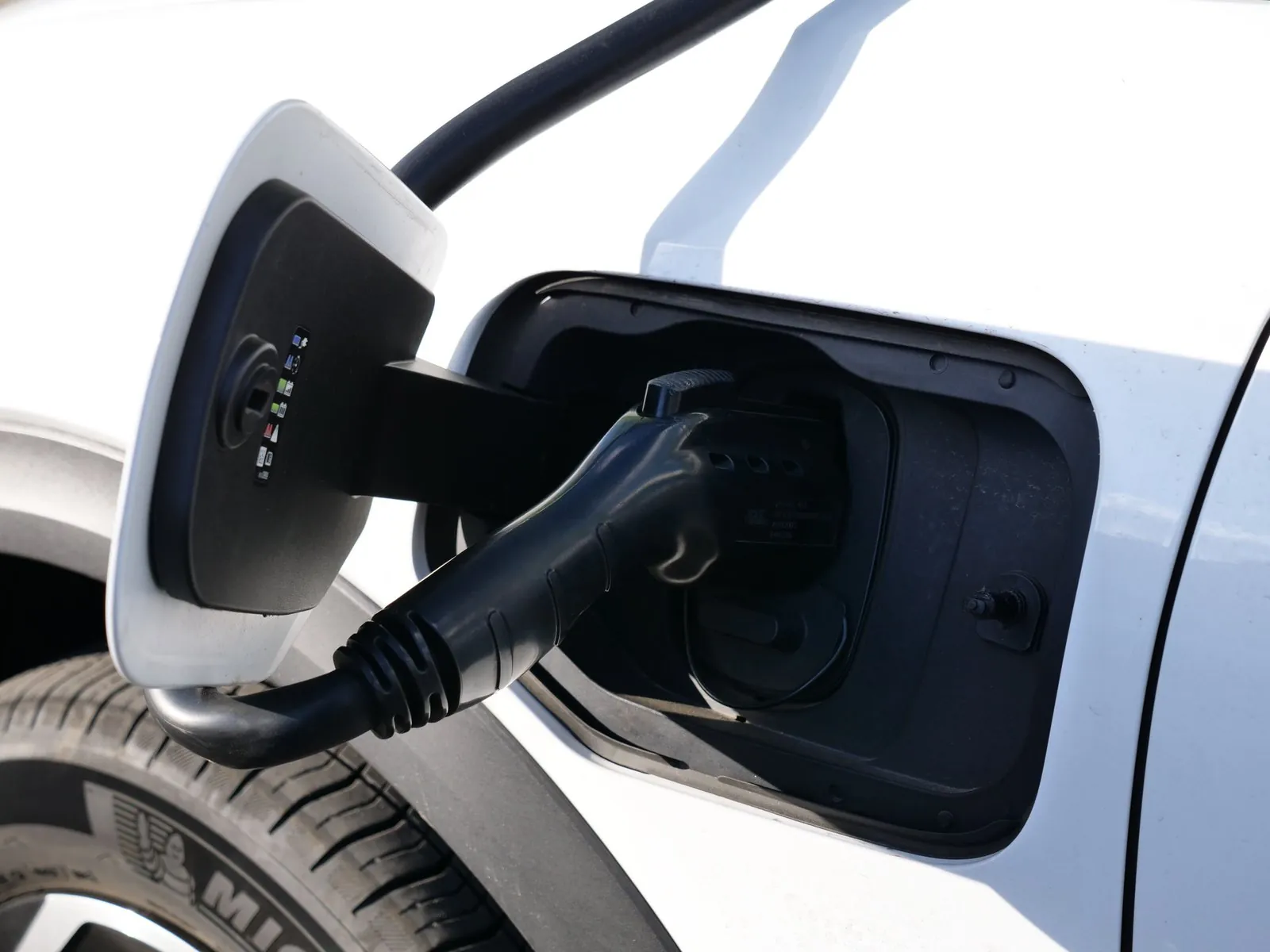
This still happens, and it still makes EV drivers furious. If you see a non-EV in a charging spot, most Canadian municipalities now ticket these aggressively — call bylaw enforcement rather than confront. Take a photo of the plate and the charger sign. Some networks let you report blocked stations through their app.
The PlugShare note
If you're at a multi-station site and one unit is offline, leave a note in the PlugShare app. The next driver arrives with accurate expectations and doesn't waste 20 minutes trying a dead station. This takes thirty seconds and is genuinely appreciated.
Charging at a busy corridor station on a long weekend
This is the stress test. The strategy: arrive with 20–25% battery, plug in, and set a 20-minute timer. At 80%, move — even if you'd rather stay. On a holiday weekend, the queue behind you is real. Some drivers split a station with a polite conversation: "I've got 20 minutes, then it's yours." Corridor stations in Quebec and Ontario 400-series areas run longest queues on Friday afternoons and Sunday evenings; plan around them.
Winter charging etiquette
After charging in winter, clear the snow off your charge port before leaving. The next driver shouldn't have to scrape ice off your connector. Also: if you're charging at a station with no shelter, move your car after charging so the next driver doesn't have to stand in the same slush.
The bottom line
Canadian EV drivers are mostly polite about charging, but the network is still small enough that one person's behaviour affects everyone. Charge fast, move promptly, report problems, and clear your port. That's the whole etiquette.
Looking for EV deals, insurance, or financing? Check out our partner deals and offers.
If you found this guide helpful, use our Tesla referral link for free Supercharging credits on a new Tesla purchase or lease in Canada.
Next story · swipe left
Next story
EV Community Canada: How Owners Are Driving the Green Shift
5 min read
Canada's EV community — owner clubs, ride-and-drive events, online forums, and how grassroots enthusiasm is accelerating the green energy transition.
The Charge Brief
Get Canada’s EV transition in your inbox
One email a day. No spam, unsubscribe anytime.