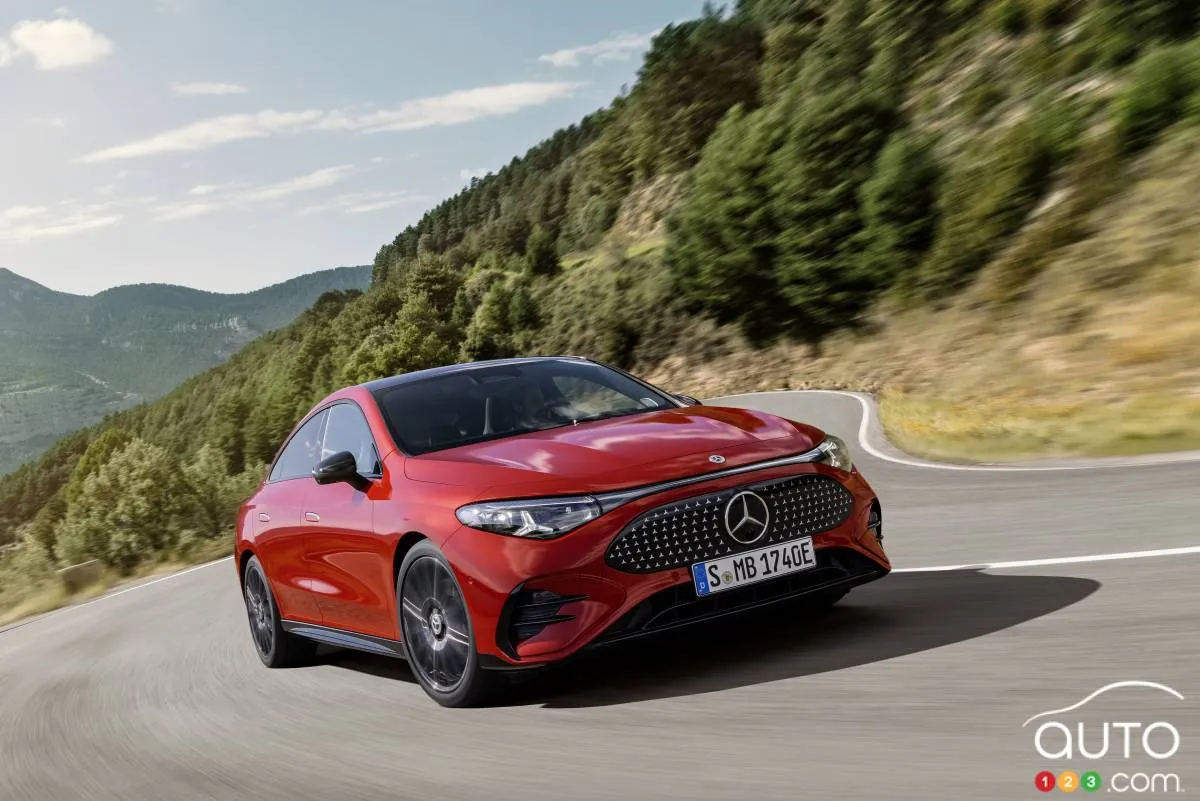

How Much Does It Cost to Charge an EV in Canada? A Province-by-Province Breakdown
Charging an EV in Canada costs a fraction of gasoline — but the savings depend on where you live. Real numbers for home and public charging across every province.
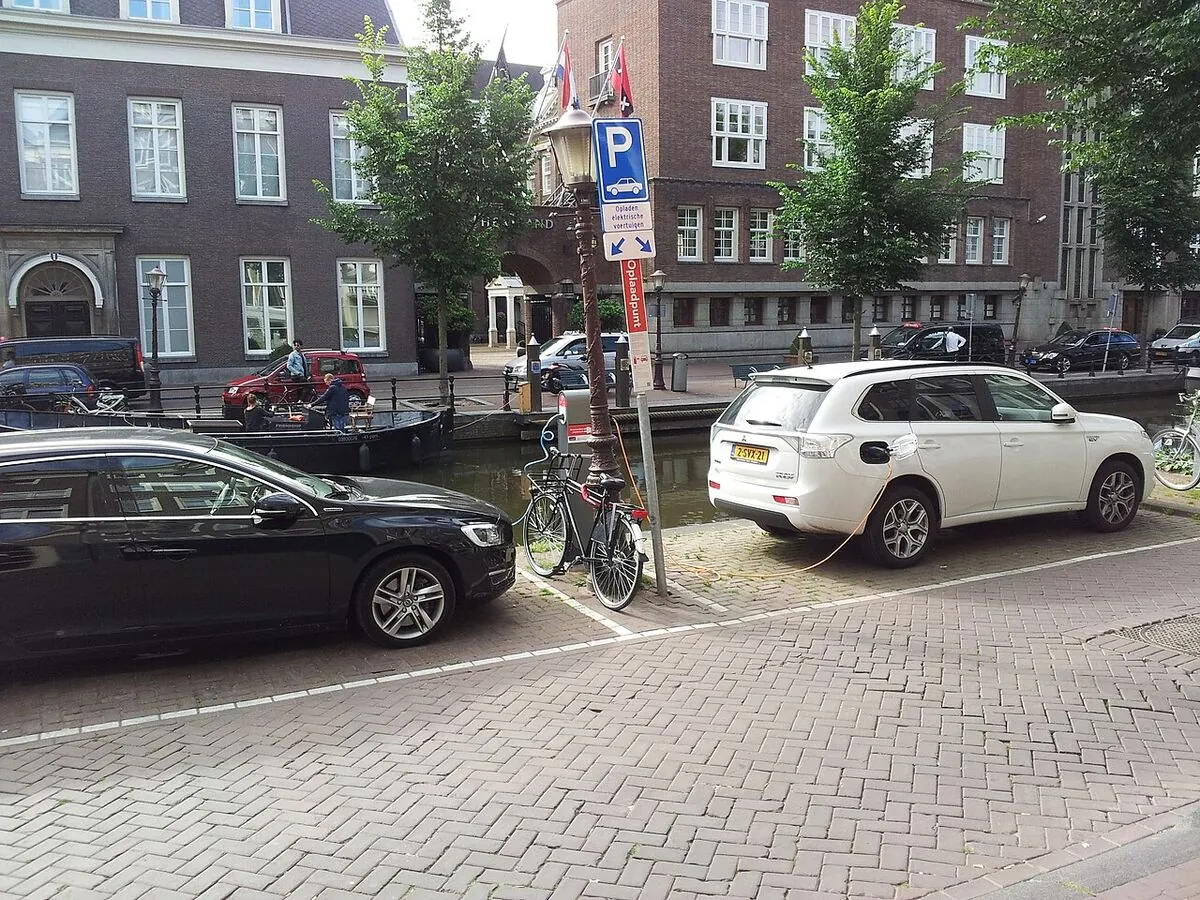
The single most common question Canadian shoppers ask about EVs: what will it actually cost to fuel? The short answer is that home charging costs roughly one-fifth to one-third of gasoline almost everywhere in Canada — but the exact math depends on your province's electricity rates and how often you rely on public fast chargers.
The home charging math
A typical long-range EV carries a 60–80 kWh battery. To "fill it" from near empty, you pay your residential rate per kWh times the battery size — plus a little for charging losses. At 10¢/kWh, a 75 kWh pack costs about $8 for roughly 400 km of range. Compare that to $70–$90 to fill a gas SUV, and the daily economics explain why EV drivers rarely think about fuel costs after the first month.
Province by province (approximate residential rates)
Quebec and Manitoba remain the champions, with residential rates historically around 7–9¢/kWh — a full charge for $6–7. British Columbia sits around 10–12¢, Ontario varies with time-of-use (overnight off-peak has historically been the cheapest window), and Saskatchewan around 14¢. Alberta's deregulated market swings more, often 15–25¢ depending on the plan — where an EV-specific or off-peak plan pays off. Atlantic Canada ranges from the low teens in hydro-rich Newfoundland and Labrador to over 20¢ in places. Rates move; check your utility's current sheet before doing your own math.
Public fast charging: the exception
DC fast charging is a different product at a different price — typically 30–65¢/kWh across Canadian networks, with some premium corridor chargers higher. At 50¢/kWh, that 75 kWh fill is $37: still cheaper than gasoline, but no longer one-fifth. The rule experienced drivers follow: home charge for daily driving, fast charge only on road trips. If you can't charge at home, an EV's economics in Canada shrink considerably — factor that in before buying.
How to maximize the savings
Charge overnight on off-peak rates wherever your utility offers them. Ask your utility about EV-specific rate plans — several provinces offer them. Avoid DC fast charging for routine top-ups. And if you're on time-of-use pricing, a scheduled departure-preconditioned charge in the cheapest window quietly saves hundreds of dollars a year.
The bottom line
For a typical Canadian driver doing 20,000 km a year, home charging costs roughly $400–$700 annually depending on province — versus $2,400–$3,600 for a comparable gasoline vehicle. That $2,000-plus annual difference is the most underappreciated argument for going electric in Canada.
Looking for EV deals, insurance, or financing? Check out our partner deals and offers.
If you found this guide helpful, use our Tesla referral link for free Supercharging credits on a new Tesla purchase or lease in Canada.
Next story · swipe left
Next story
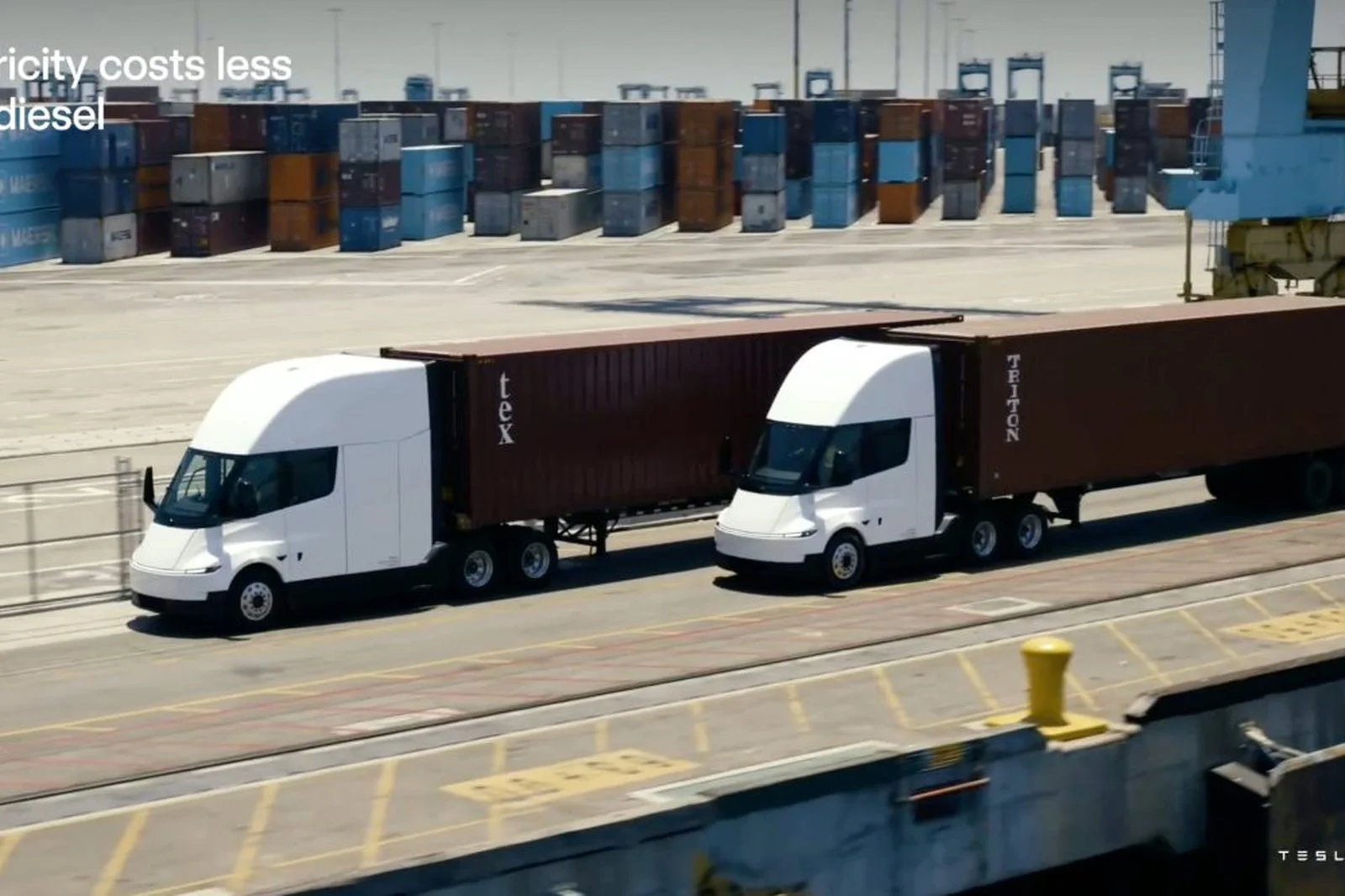
Tesla Semi Hits 98% Uptime as Diesel Costs Soar, Making Electric Trucking Economics Hard to Ignore
5 min read
Tesla's Semi Rollout event in Nevada revealed >98% fleet uptime in 2026 vs 90-95% for diesel Class 8 trucks, plus electricity stable at ~$0.20/mile while diesel surged past $0.80/mile.
The Charge Brief
Get Canada’s EV transition in your inbox
One email a day. No spam, unsubscribe anytime.