
infrastructure
salesCanadian Electric Bus Sales Nearly Doubled in 2025 — Trucks Are the Laggard
Battery-electric bus sales in Canada jumped 188 percent in 2025, second only to Chile worldwide, per the ICCT's global zero-emission truck and bus report. But zero-emission vehicles were still just 1 percent of Canada's 47,676 new medium- and heavy-duty registrations.
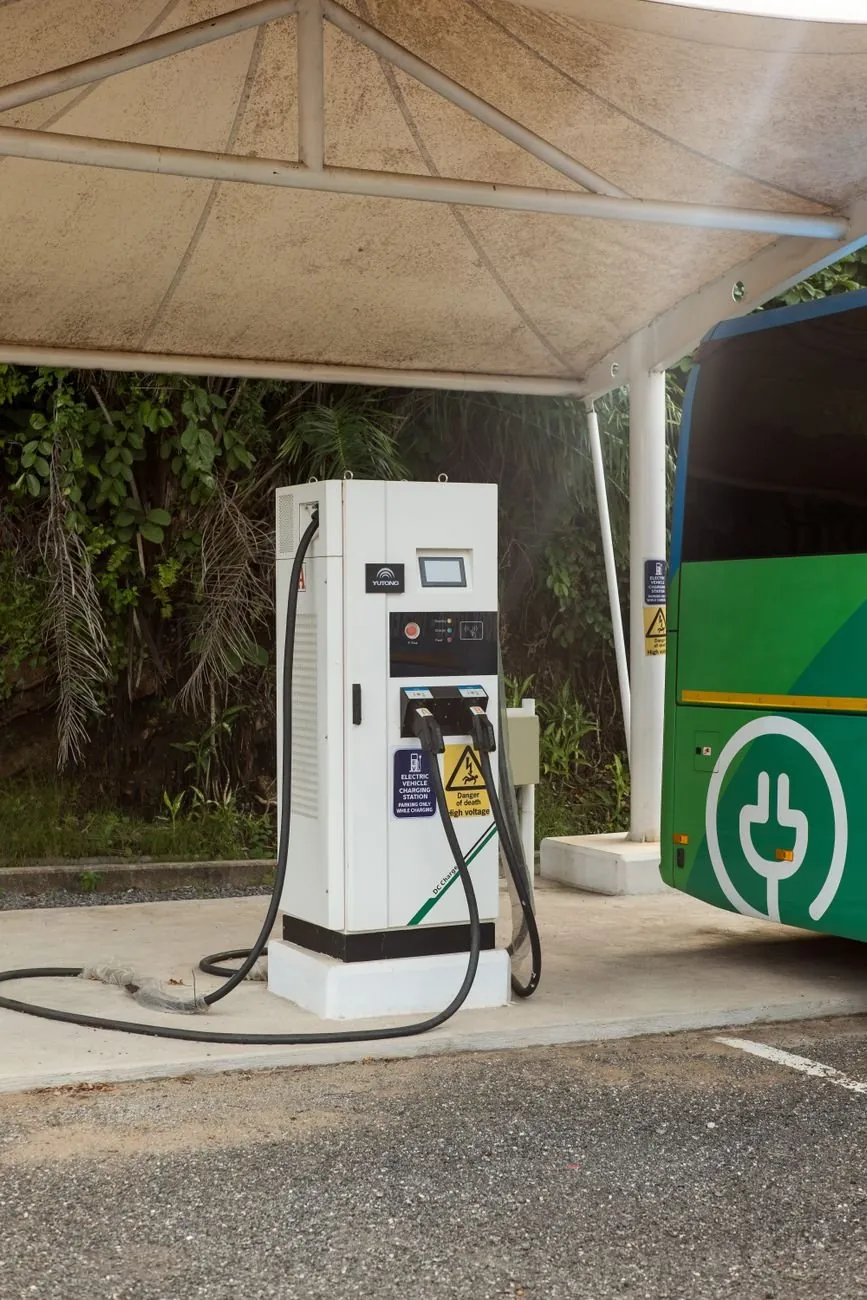
Canada posted one of the sharpest electric bus sales increases in the world last year. Battery-electric bus sales jumped 188 percent in 2025, according to the International Council on Clean Transportation (ICCT) report "An Overview of the Global Zero-Emission Medium- and Heavy-Duty Vehicle Market," with Canadian figures supplied by Mobility Global — a growth rate second only to Chile's 299 percent, as Electric Autonomy Canada reported on September 2.
The Canadian numbers behind the headline
- 471 zero-emission medium- and heavy-duty vehicles (ZE-MHDVs) were registered in Canada in 2025 — about 1 percent of the 47,676 MHDVs registered overall.
- Buses and coaches led the segments: 392 units, a 9.7 percent zero-emission share of that segment.
- Trucks lag badly: medium-duty trucks managed 44 units (0.2 percent share) and heavy-duty trucks just 35 units (0.1 percent).
- Context from prior years: 274 ZE-MHDVs were sold in 2024; the all-time high remains 685 in 2023.
Transport Canada's tally shows a bigger fleet, same story
Transport Canada data cited in the report puts 2025 ZE-MHDV market share slightly higher at 1.7 percent, and counts 11,475 zero-emission medium- and heavy-duty vehicles currently registered in Canada — just 0.4 percent of the total fleet. The gap between a strong sales year and a small fleet share is the arithmetic of turnover: commercial vehicles live for decades, so even a record year moves the in-service fleet slowly.
The global picture: buses lead, China dominates
Globally, electric truck and bus sales reached 520,000 units in 2025, up 86 percent — nearly doubling for a second straight year, across the 34 countries the ICCT tracks (about 80 percent of global truck and bus sales). China accounted for nearly 90 percent of those sales, with heavy trucks there hitting roughly 30 percent electric share. Outside China, adoption is narrower: about 41,000 units across the other 33 tracked countries, with buses making up 56 percent of zero-emission truck and bus sales excluding China and the United States. The US grew only about 2 percent to roughly 24,500 units — mostly medium-duty delivery vehicles — as its federal government rolled back heavy-vehicle emissions rules.
What it means for Canadian fleets and riders
For transit riders, the bus surge is the visible part of electrification — Canadian agencies are converting fleets where duty cycles fit depot charging, from city transit electrification to electric school bus programs. For freight, the 0.1 percent heavy-truck share underlines that heavy-duty charging infrastructure remains the bottleneck, not vehicle availability. The pattern matches what planners along the West Coast zero-emission freight corridor are betting on: buses first, trucks when megawatt charging catches up.
Looking for EV deals, insurance, or financing? Check out our partner deals and offers.
If you found this guide helpful, use our Tesla referral link for free Supercharging credits on a new Tesla purchase or lease in Canada.

Next story · swipe left
Next story
Octopus Charge App Brings 211,000+ Chargers Into One App for Canadian EV Drivers
4 min read
Octopus Energy's free Octopus Charge app for iOS and Android aggregates 211,221 public chargers across North America — including FLO and Circuit Électrique — with no markup on network pricing.
The Charge Brief
Get Canada’s EV transition in your inbox
One email a day. No spam, unsubscribe anytime.