
infrastructure
Electric School Buses in Canada 2026: Progress and Challenges
Electric school bus adoption in Canada in 2026 — fleet programs, funding, cold-weather performance, and what parents and school boards should know.
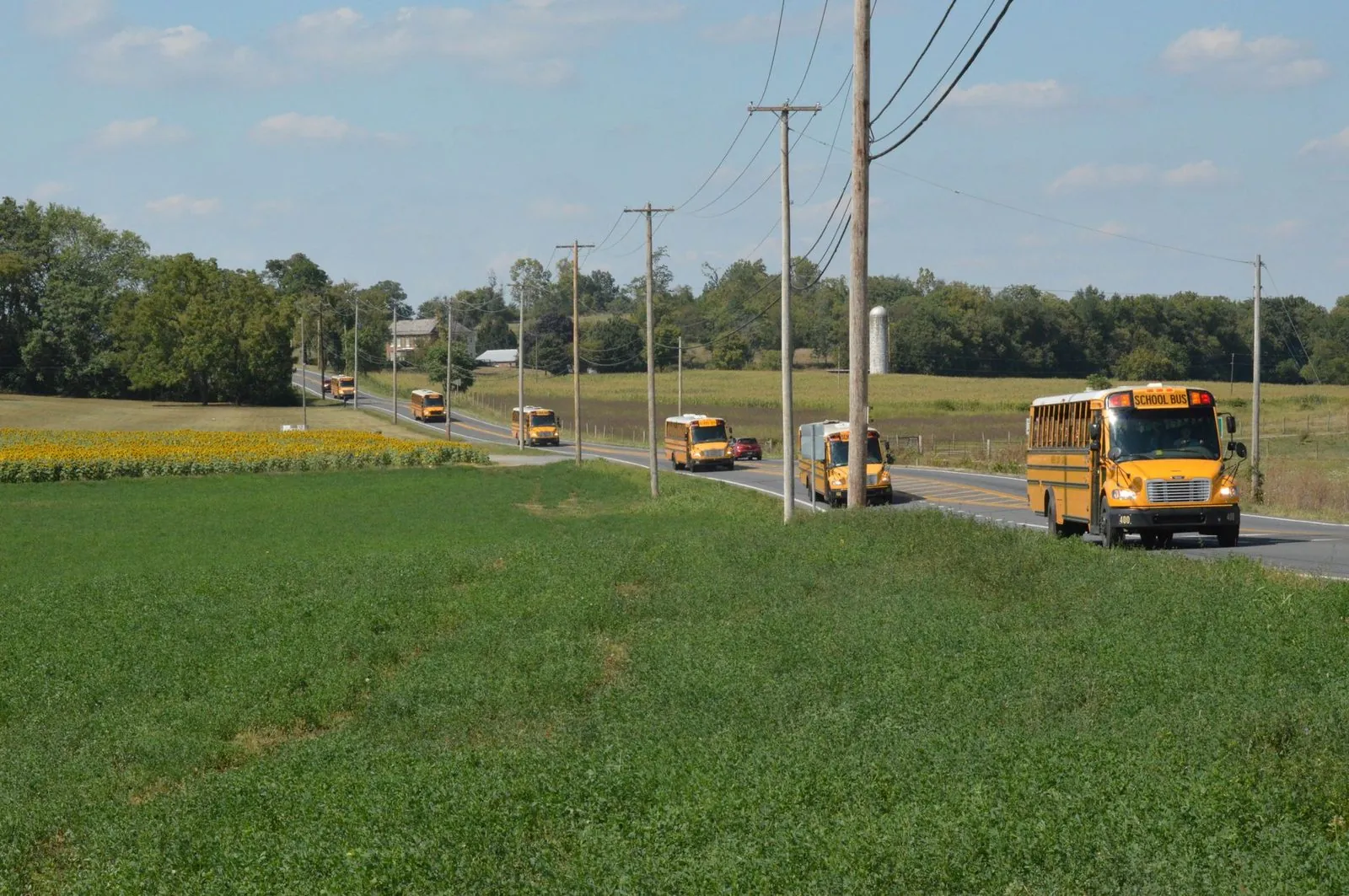
Electric school buses are transitioning from demonstration projects to regular fleet vehicles in several Canadian provinces. In 2026, school boards in Quebec, Ontario, and British Columbia operate electric buses on daily routes, supported by federal funding, provincial programs, and improved cold-weather hardware. The benefits — quieter rides, zero tailpipe emissions, and lower operating costs — are clear, but range and charging logistics still require careful planning for rural districts with long routes.
Funding Programs
Federal and provincial programs have made electric school buses financially viable for many school boards. Infrastructure Canada and provincial education ministries offer capital grants that cover a substantial portion of vehicle and charger costs. Some programs prioritize low-income or remote communities, where diesel bus emissions have the greatest health impact. Boards that combine multiple funding streams can bring effective purchase prices close to conventional diesel buses over the vehicle lifecycle.
Cold-Weather Performance
Canadian winters test electric school buses harder than any other EV category because routes are long, stops are frequent, and cabin heating demand is high. Modern electric school buses include thermal management systems and pre-trip conditioning that preserve range, but boards in northern communities should still model winter range conservatively. Overnight depot charging with managed power draws reduces peak demand costs and ensures buses start each route fully charged regardless of overnight temperature.
Safety and Acceptance
Parents generally respond positively to electric school buses because they eliminate diesel exhaust at pickup points and reduce noise during loading and unloading. Drivers adapt quickly to electric powertrains, though training on regenerative braking and range planning is recommended. School boards should communicate charging schedules and contingency plans to parents so that mechanical issues or charging delays do not create safety or supervision gaps.
Scaling the Fleet
Most Canadian school boards are phasing electric buses into existing fleets rather than replacing entire rosters at once. This approach limits upfront capital needs and allows maintenance teams to develop electric-vehicle expertise gradually. As charger infrastructure expands and battery costs decline, full fleet electrification becomes realistic for urban boards within the next decade. Rural boards will take longer because of route length, depot electrical capacity, and lower daily utilisation that makes capital recovery slower.
Looking for EV deals, insurance, or financing? Check out our partner deals and offers.
If you found this guide helpful, use our Tesla referral link for free Supercharging credits on a new Tesla purchase or lease in Canada.
Next story · swipe left
Next story
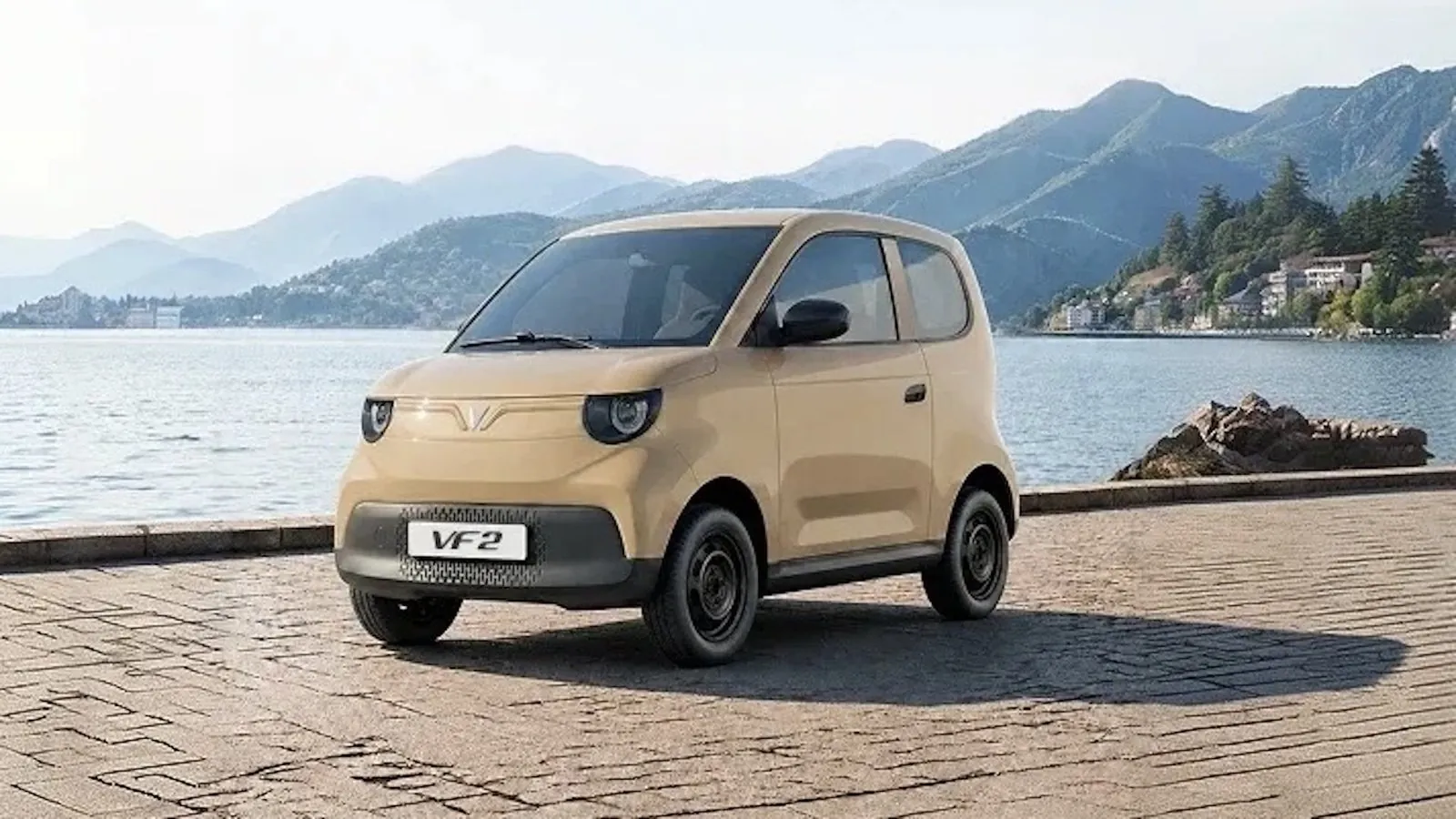
VinFast's $10,000 VF 2 Microcar: The Sub-Compact EV Angle Western Markets Haven't Priced In
5 min read
VinFast's two-door VF 2 measures 3.09 metres long, carries an 18.3-kWh battery, 40 hp motor and about 160 km of realistic range — priced at roughly $9,975 CAD in Vietnam. VinFast is floating the idea of selling it outside its home market, though a Canadian launch has not been announced.
The Charge Brief
Get Canada’s EV transition in your inbox
One email a day. No spam, unsubscribe anytime.