
industry
Inside Yarmouth Yards: St. Thomas Bets Its Industrial Future on Canada's Largest EV Battery Plant
PowerCo's St. Thomas gigafactory — 370 acres, six production blocks, up to 90 GWh and 3,000 jobs — anchors a 1,500-acre industrial megasite now drawing suppliers like Vianode. The Globe and Mail's Property Report details how shovel-ready land and a Highway 3 expansion made it happen.
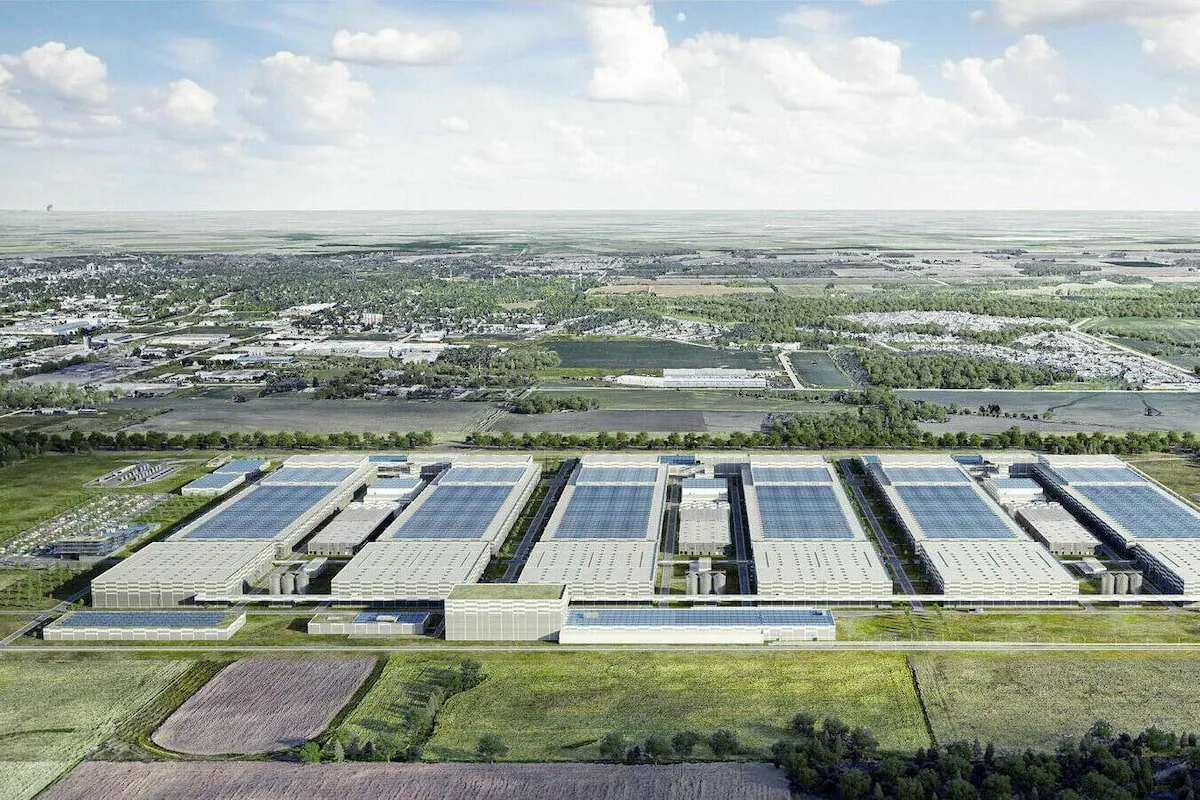
The Railway Capital of Canada is reinventing itself as a battery capital. St. Thomas, Ontario will soon be home to the country's largest electric vehicle battery plant — a Volkswagen Group subsidiary PowerCo gigafactory spanning six production blocks across 370 acres, the footprint of more than 200 soccer fields, with production expected to start in 2027.
The plant is the anchor tenant of something bigger: Yarmouth Yards, a 1,500-acre industrial megasite the city assembled to capture the supply-chain wave that follows a gigafactory. A new Globe and Mail Property Report details how the site came together — and why Canadian industrial observers see it as a template rather than a one-off.
The numbers behind the megasite
- 90 gigawatt-hours of potential annual battery production capacity at full build — enough to power about one million EVs per year, according to Volkswagen Canada.
- 3,000 direct jobs, plus thousands more indirectly.
- $16 billion in federal support for production and tax adjustments, designed to make the after-tax value of the investment comparable to building in the United States.
- Vianode, a Norwegian battery-materials company, will operate on around 280 acres of the site, according to the city.
Shovel-ready land was the winning hand
St. Thomas acquired the Yarmouth Yards land between 2022 and 2023, years before the first foundation pour. "Having shovel-ready land takes years, and without it, it's very difficult for investors to see themselves in that location," Sean Dyke, CEO of the St. Thomas Economic Development Corporation, told the Globe. "It's one of the most important factors in any site selection process."
The province is supporting the project with an expansion of Highway 3 — a "critical transportation link" to the plant, according to a spokesperson for Ontario's Ministry of Economic Development, Job Creation and Trade. The city manages water, wastewater and servicing inside the park itself.
Why power capacity is the new industrial currency
The report lands on a constraint reshaping Canadian industrial real estate: electricity. Ontario's Independent Electricity System Operator forecasts provincial demand will surge 75 per cent by 2050, with EV supply-chain manufacturing one of the two main drivers. Older buildings often cannot be retrofitted for energy-intensive manufacturing quickly, pushing battery suppliers and their ecosystems toward purpose-built sites like Yarmouth Yards.
"There is a whole ecosystem around these large investments: parts suppliers, automation companies, engineering companies, logistics, specialized manufacturing and other businesses that want to locate within the same corridor," Brent Rudell of Cushman & Wakefield Southwestern Ontario told the Globe — a ripple effect that plays to Southwestern Ontario's existing manufacturing base.
A deliberate hedge on EV demand
The bet is not without risk. The Globe notes Volkswagen is ending ID.4 production at its Tennessee plant — one of two assembly facilities the St. Thomas operation would have supplied — and that North American EV sales fell 27 per cent between the first quarters of 2025 and 2026 even as global sales slipped only three per cent. In Canada, zero-emission vehicles accounted for about 11 per cent of new registrations in this year's first quarter, per Statistics Canada.
That volatility is exactly why the city is hedging. "We certainly want to grow and support the EV supply chain as much as possible, but my expectation is that it will naturally fill with a broader advanced manufacturing base," Dyke said, pointing to automotive, defence and food-processing sectors. For a country scrambling to anchor an EV supply chain, St. Thomas offers the fullest test yet of whether gigafactories really do beget gigafeedback loops.
Looking for EV deals, insurance, or financing? Check out our partner deals and offers.
If you found this guide helpful, use our Tesla referral link for free Supercharging credits on a new Tesla purchase or lease in Canada.
Next story · swipe left
Next story
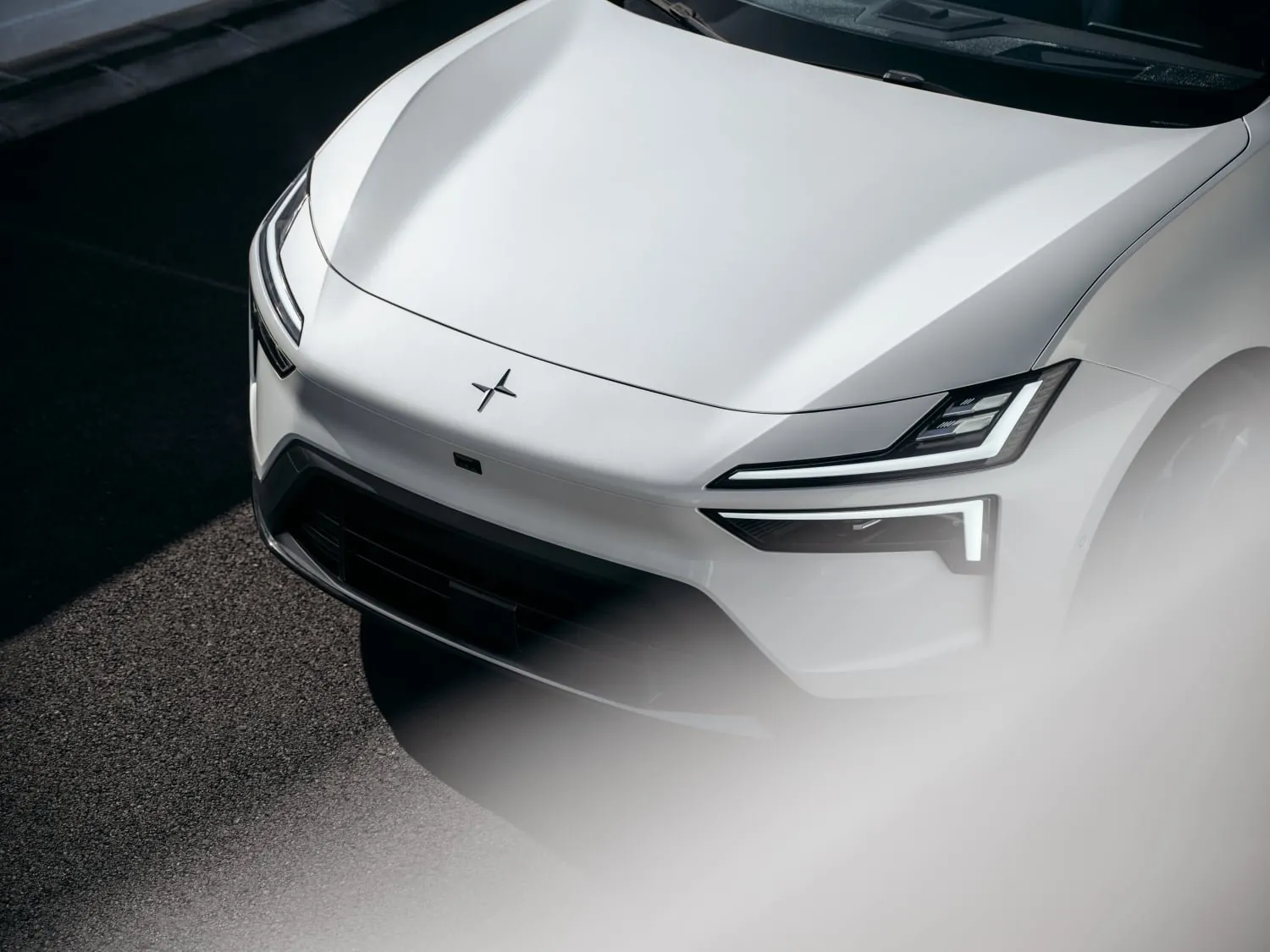
Polestar 4 Coupe Opens Canadian Orders at $67,700 — Now Built in Korea, Outside the China Tariff Quota
5 min read
Polestar opened Canadian orders for the updated Polestar 4 coupe on September 9 at $67,700 including destination for the rear-motor version and $72,700 dual-motor. Busan, South Korea assembly keeps it outside Canada's Chinese-built EV quota — and Canada is the only North American market that will sell it.
The Charge Brief
Get Canada’s EV transition in your inbox
One email a day. No spam, unsubscribe anytime.