
Canadian EV Manufacturing: Ontario and Quebec Plants Building Electric Cars and Batteries
Canadian EV manufacturing in 2026 — Ontario assembly plants, Quebec battery factories, CAMI and Bécancour, and Canada's role in North American EV supply chains.
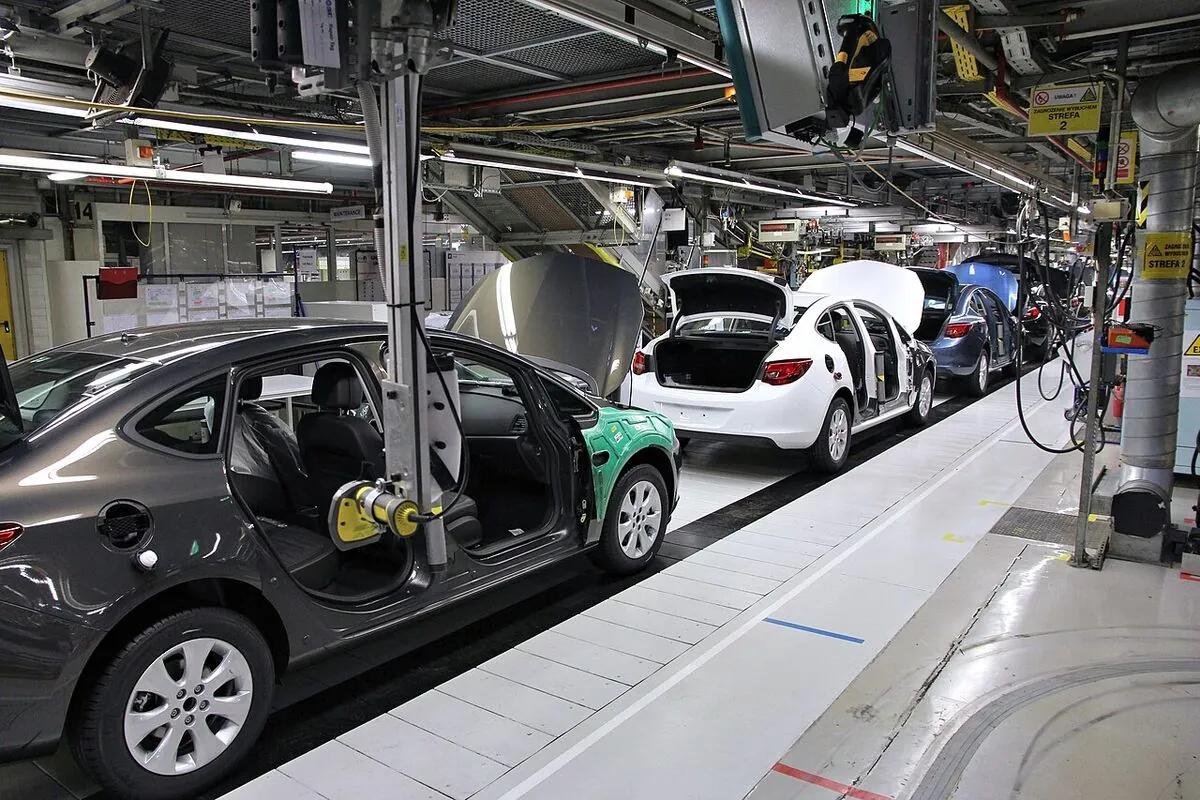
Canada is building EVs at scale, and the manufacturing footprint is larger than most Canadian consumers realize. Ontario's automotive assembly plants have retooled for EV production, Quebec has attracted battery material and cell manufacturing investment, and the supply chain extends from mining to finished vehicles. Here's the current state of Canadian EV manufacturing and what it means for the domestic market.
Ontario assembly plants
Ontario's CAMI plant in Ingersoll has produced the Chevrolet Bolt EV and BrightDrop EV delivery vans, making it one of the first dedicated EV assembly facilities in Canada. Ford's Oakville plant has been retooled for electric vehicle production, and Stellantis' Windsor plant has announced EV assembly commitments. Ontario's manufacturing cluster benefits from proximity to US Midwest supply chains and a skilled workforce developed over decades of gasoline vehicle assembly.
Quebec battery manufacturing
Quebec has positioned itself as the battery manufacturing province for North America. The Bécancour industrial park hosts battery material production facilities, and Quebec's low electricity rates — some of the cheapest clean electricity in the world — make it an attractive location for energy-intensive battery cell manufacturing. Volkswagen's Northvolt partnership explored a Quebec battery gigafactory, and several other cell manufacturers have evaluated the province. Quebec's mining sector supplies lithium, graphite, and other critical minerals that feed the battery supply chain.
Supply chain advantages
Canada's advantage in EV manufacturing is the full vertical stack — critical mineral mining in Ontario and Quebec, processing capacity, battery material production, cell assembly, and vehicle assembly. The US Inflation Reduction Act created pressure for North American supply chain localization, and Canada's integrated mining-to-manufacturing chain positions it well to supply US EV production under IRA content requirements. Canadian-made batteries and vehicles can qualify for US tax credits if they meet the North American content threshold.
Jobs and economic impact
EV manufacturing investment in Canada has created and sustained tens of thousands of jobs across mining, processing, battery production, and assembly. The sector pays skilled-trade wages and supports rural communities where mining and processing facilities are located. The economic case for EV manufacturing investment in Canada is stronger than for gasoline vehicle manufacturing, because the global EV market is growing while the gasoline market is contracting.
The bottom line
Canada is a genuine EV manufacturing nation, not just a consumer market. Ontario's assembly plants and Quebec's battery factories mean Canadian EVs and batteries are real products with export potential. Buyers who care about domestic manufacturing can purchase vehicles with Canadian content — the Chevrolet Bolt, BrightDrop vans, and future Ford EV assembly all have meaningful Canadian production. The EV transition is creating Canadian manufacturing jobs, not destroying them.
Looking for EV deals, insurance, or financing? Check out our partner deals and offers.
If you found this guide helpful, use our Tesla referral link for free Supercharging credits on a new Tesla purchase or lease in Canada.

Next story · swipe left
Next story
Tesla Cybercab Launch Event Set for September 3 in Austin: What We Know
5 min read
Tesla is sending invitations for a September 3 Cybercab launch event in Austin, Texas — the purpose-built robotaxi with no steering wheel or pedals. Here is what is confirmed, and what it means for Canada.
The Charge Brief
Get Canada’s EV transition in your inbox
One email a day. No spam, unsubscribe anytime.