
industry
batteryVolkswagen's PowerCo Delays St. Thomas Battery Plant to 2029 Amid Weak EV Demand
PowerCo Canada confirms its St. Thomas, Ont., EV battery gigafactory will not begin operations until 2029, two years later than planned, citing evolving market demand and technological advancements.
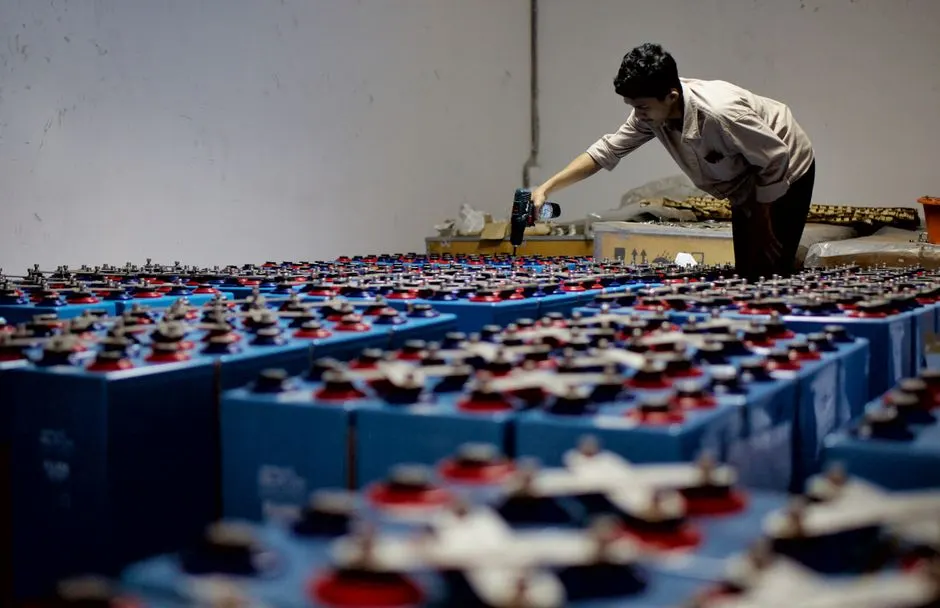
Volkswagen’s battery production subsidiary, PowerCo Canada, says its EV battery gigafactory in St. Thomas, Ont., will not begin operations until 2029, two years later than the 2027 start date it had targeted since the project was announced in 2023.
PowerCo confirmed the delay Thursday while announcing the appointment of Canadian construction firm EllisDon Corp. as general contractor for the southwestern Ontario site.
Joel Karlsberg, PowerCo Canada’s chief procurement officer, said the company is “aligning the project’s timeline and product strategy with evolving market demand, technological advancements, and the Volkswagen Group’s long-term strategy.”
‘Getting the pacing right’
PowerCo says the later start date will allow the plant to accommodate next-generation battery technology and give the company room to scale production as demand shifts.
Despite the delay, Karlsberg said the company is not scaling back its ambitions for the site. He said the St. Thomas plant remains a “cornerstone” of PowerCo’s North American strategy, adding that the slower timeline is about “getting the pacing right — not stepping back— to protect our long-term investment, support regional jobs, and position Canada, Ontario, and St. Thomas to benefit in a dynamic and evolving market.”
Construction at the site has continued since the 2025 groundbreaking, with work now moving into what PowerCo calls its core infrastructure and structural phases. That includes building the shell of the production facility, along with mechanical, electrical and plumbing systems, and energy and utility infrastructure.
Government investment
The initial investment in the 370-acre facility included $7 billion from Volkswagen, with the Ontario government offering $500 million in incentives. The federal government added $13.2 billion in investments, subsidies and tax credits tied to output.
The gigafactory is expected to produce up to 90 gigawatt-hours, or up to 1 million EV batteries, annually. It is also expected to employ around 3,000 skilled workers when fully operational and support thousands of indirect jobs in the region.
About 60 EllisDon workers are currently on-site. PowerCo expects the EllisDon workforce to grow to roughly 1,300 at peak construction, alongside other personnel supporting the project.
The gigafactory, first announced in 2023, is a joint undertaking among Volkswagen Group, PowerCo and Canada’s federal, provincial and municipal governments. It is expected to be PowerCo’s largest cell manufacturing plant worldwide, supplying battery cells for future Volkswagen Group electric vehicles sold in North America.
PowerCo SE was founded in 2022 as a subsidiary of Volkswagen Group. PowerCo Canada, headquartered in St. Thomas, oversees the company’s Canadian operations.
Looking for EV deals, insurance, or financing? Check out our partner deals and offers.
If you found this guide helpful, use our Tesla referral link for free Supercharging credits on a new Tesla purchase or lease in Canada.
Next story · swipe left
Next story
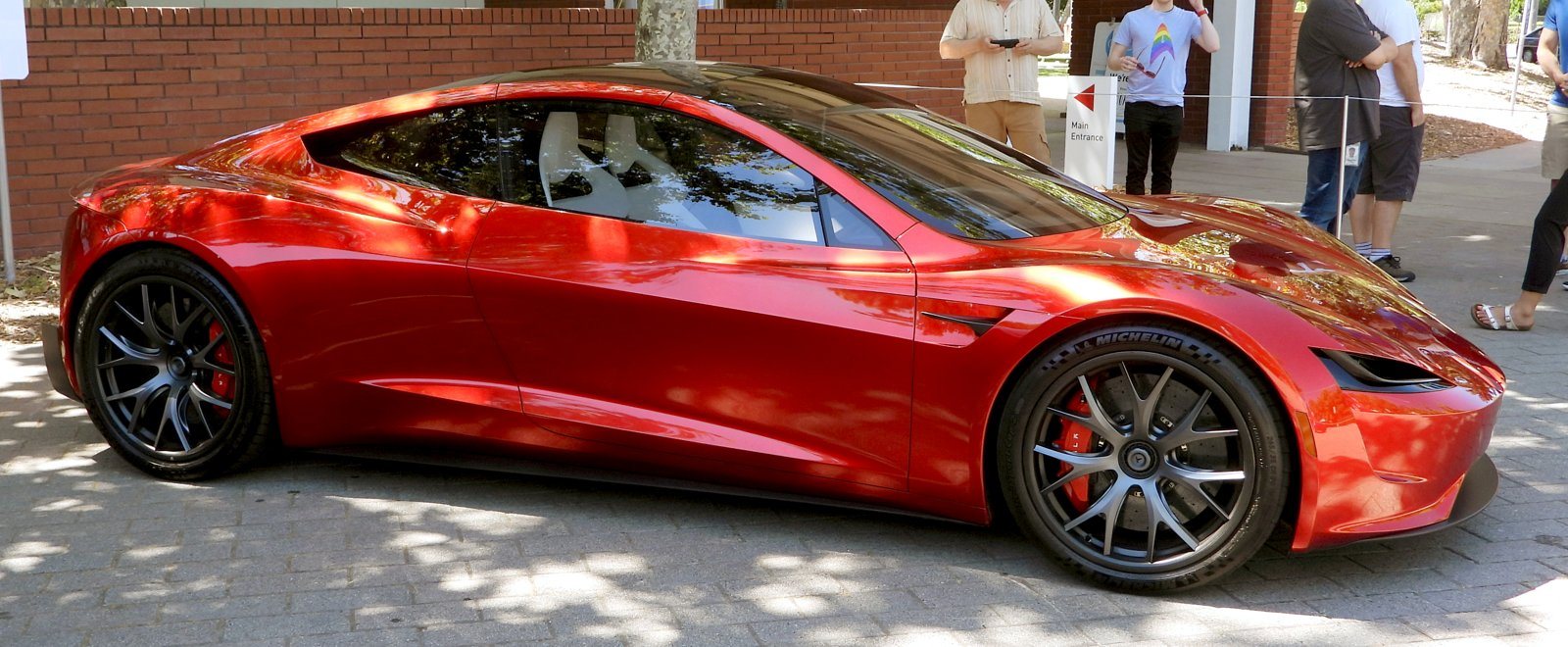
Tesla Sets October 1 Roadster Reveal: What Canadian Buyers Should Know
5 min read
Tesla has officially scheduled the next-generation Roadster debut for October 1, 2026, ending nearly a decade of delays. Here is what the announcement means for Canadian EV enthusiasts and the timeline ahead.
The Charge Brief
Get Canada’s EV transition in your inbox
One email a day. No spam, unsubscribe anytime.