
CATL's Latest Battery Cell Targets 1,000 km of Range — and Canadian Winter Is the Real Test
CATL has announced a new lithium-iron-phosphate cell with a claimed 1,000 km range target. Canadian buyers should read the fine print: the test cycle and the winter commute are very different numbers.
CATL, the Chinese battery giant that supplies cells to a majority of the world's EV models, has announced a next-generation lithium-iron-phosphate cell with an energy density target that would push electric-vehicle range to roughly 1,000 kilometres under the test conditions the company cites. The announcement landed in industry circles as a milestone, and in Canadian buyer conversations as a talking point that needs calibration.
What the number actually means
The 1,000 km figure comes from the Chinese CLTC test cycle, which is a real-world driving simulation but one that runs at speeds, temperatures, and accessory loads that differ from a Canadian winter commute. The European WLTP cycle, which is closer to Canadian driving patterns, typically produces range figures 15 to 25 percent below CLTC. A 1,000 km CLTC car might show 750 to 850 km on a WLTP run — still impressive, but a materially different number for someone planning a Toronto-to-Montreal trip without a charge stop.
Lithium-iron-phosphate's Canadian trade-off
CATL's cell uses lithium-iron-phosphate chemistry, which is cheaper, longer-lived, and safer than the nickel-manganese-cobalt chemistry found in many current long-range EVs. The trade-off is cold-weather performance: LFP cells lose a larger share of their range at sub-zero temperatures than NMC cells do. A car rated for 700 km of summer range on LFP might deliver 450 to 500 km in a Canadian January, which is still enough for most daily drives but not enough for a seamless long-distance trip.
What to watch for in Canadian-market models
The Canadian-market implication is not whether the cell exists — it does, and it is impressive — but whether automakers who source from CATL pair it with the battery-heating systems and thermal management that preserve range in cold weather. The same cell in a car with active battery heating and pre-conditioning will deliver more usable range in winter than the same cell in a car that relies on passive thermal management. Buyers should ask about cold-weather range figures specifically, not just the headline number, before treating any 1,000 km claim as a winter guarantee.
Looking for EV deals, insurance, or financing? Check out our partner deals and offers.
If you found this guide helpful, use our Tesla referral link for free Supercharging credits on a new Tesla purchase or lease in Canada.
Next story · swipe left
Next story
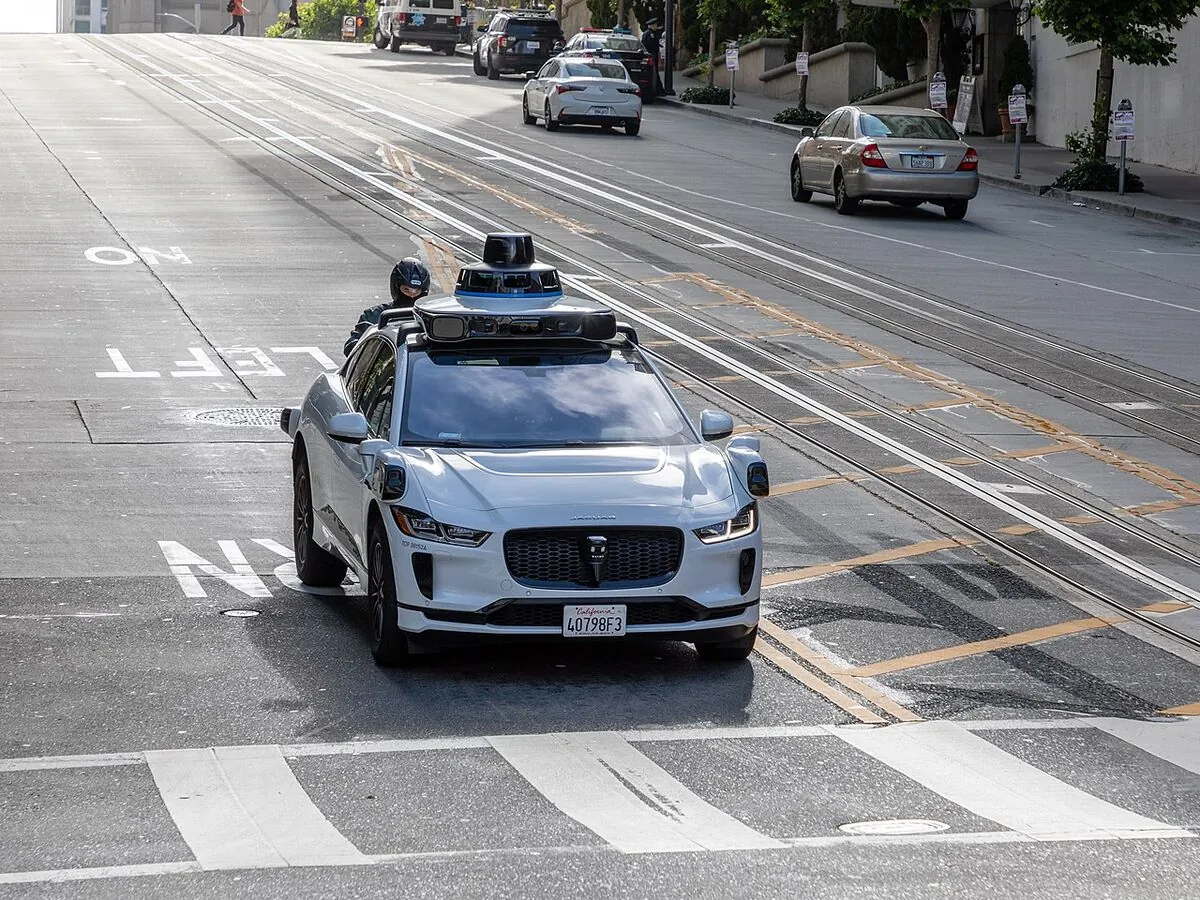
Waymo's Houston Robotaxi Launch Shows Canada What It's Missing
4 min read
Waymo now runs fully driverless rides for the general public in Houston. A look at what the service actually offers — and why nothing like it exists in Canada yet.
The Charge Brief
Get Canada’s EV transition in your inbox
One email a day. No spam, unsubscribe anytime.