
industry
costsEV Ownership in Canada 2026: First Year Costs and Surprises
What EV ownership actually costs in Canada after the first year — electricity, winter tires, insurance, maintenance, and the hidden savings nobody mentions.
EV ownership in Canada in 2026 is different from what ownership guides promised five years ago. Buyers who entered the market expecting only fuel savings discovered new costs: winter tires rated for EV torque, home charger installation, battery warranty fine print, and insurance premiums that do not always reward efficiency. The good news is that first-year ownership data from Canadian owners shows that EVs still win on operating costs in most provinces, but the margin is smaller than advertised and depends heavily on charging access.
Electricity Costs
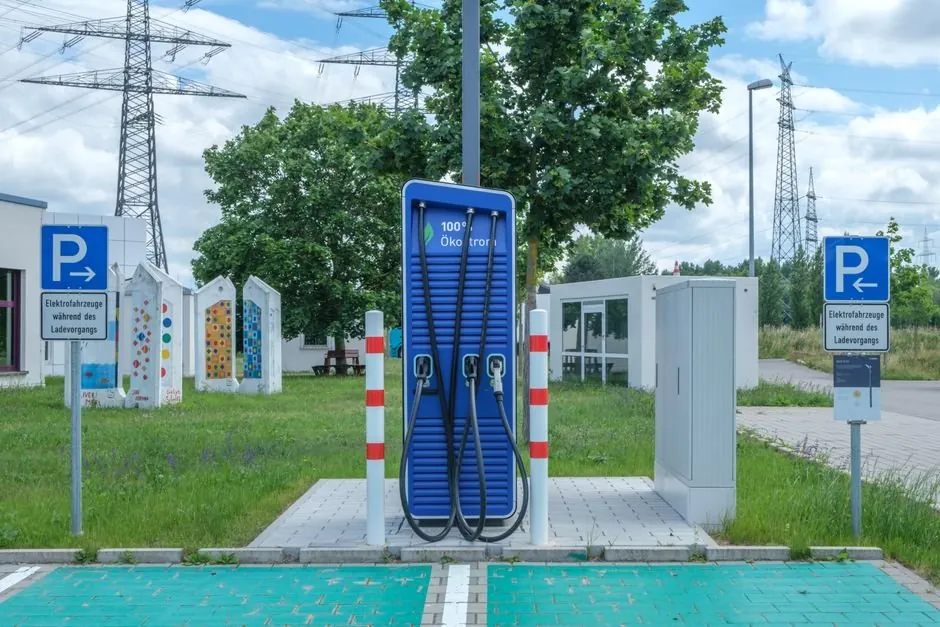
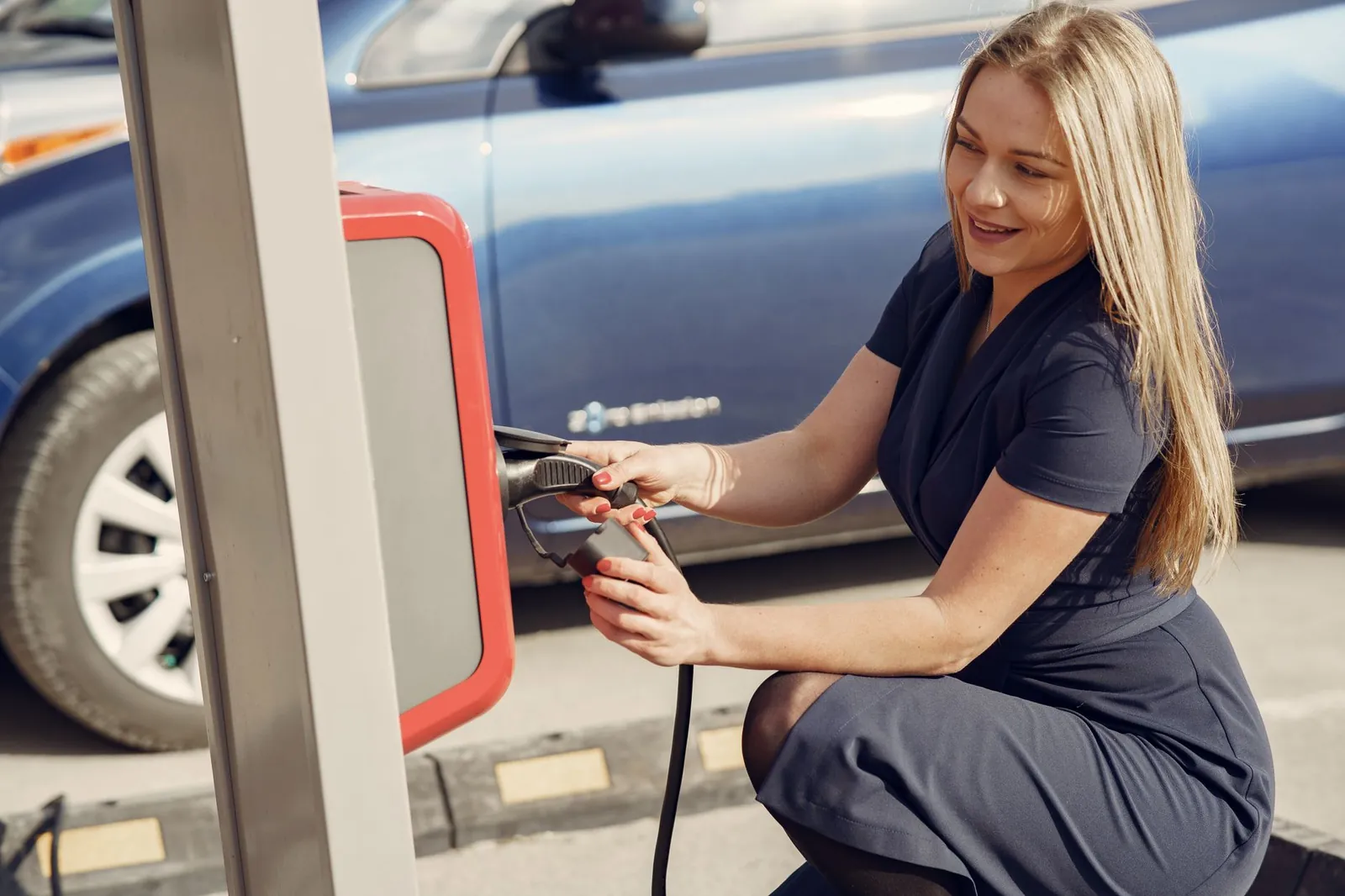
Charging at home overnight remains the cheapest fuel strategy in every Canadian province. A full charge for a 60 kWh battery costs between eight and fifteen dollars depending on local rates and time-of-use pricing, which means a typical daily commute costs less than two dollars in electricity. Drivers who rely on public DC fast charging pay three to six times more per kilometre, which erodes the operating cost advantage significantly. Year-one electricity bills vary more by charging behaviour than by vehicle efficiency, which surprises many new owners who expected predictable costs.
Insurance
EV insurance in Canada has become more competitive as repair networks gain experience with aluminum bodywork, battery pack repair, and high-voltage safety protocols. Some insurers offer EV discounts that reflect lower mechanical failure risk, while others charge premiums that reflect higher repair costs for battery damage or structural components. Drivers should compare at least three quotes before purchasing because EV insurance spreads can exceed 1,500 dollars annually between providers for the same vehicle and driver profile.
Winter Tires and Seasonal Costs
EV owners in Canada need winter tires rated for the vehicle’s weight and torque output. Standard winter tires may not carry the load index required for heavy EV battery packs, which means buyers should verify tire specifications before purchasing. EV-rated winter tires cost more than conventional winter tires but last longer under EV torque because tread compounds are engineered for higher instant torque. Seasonal tire storage, mounting, and balancing add four to eight hundred dollars to first-year ownership costs that gasoline buyers do not face.
Maintenance
First-year EV maintenance costs are lower than comparable gasoline vehicles, but not zero. Cabin air filters, windshield washer fluid, brake fluid flushes, tire rotations, and suspension inspections still appear on the service schedule, and some dealers charge premium labour rates for EV-specific procedures. Regenerative braking reduces brake pad wear, which saves money over time, but Canadian road salt accelerates corrosion on brake components and suspension parts regardless of powertrain. Drivers who keep detailed service records see better resale outcomes because EV buyers inspect maintenance history more carefully than gasoline buyers.
Looking for EV deals, insurance, or financing? Check out our partner deals and offers.
If you found this guide helpful, use our Tesla referral link for free Supercharging credits on a new Tesla purchase or lease in Canada.
Next story · swipe left
Next story
EV vs Hybrid Canada 2026: Which Is Better for Canadian Drivers
6 min read
EV vs hybrid in Canada in 2026 — total cost of ownership, winter performance, charging access, and whether a hybrid still makes sense as a bridge vehicle.
The Charge Brief
Get Canada’s EV transition in your inbox
One email a day. No spam, unsubscribe anytime.