
infrastructure
EV Home Charger Installation Canada 2026: Cost, Permits, and Tips
Installing a home EV charger in Canada in 2026 — electrical requirements, permit costs, utility rebates, and how to avoid common installation mistakes.
Installing a home EV charger is one of the most important steps in EV ownership, but the process involves electrical work, permits, utility coordination, and sometimes panel upgrades. In 2026, Canadian homeowners face variable local requirements that can add weeks and hundreds of dollars to a project that seems simple on paper. Understanding the full process before calling an electrician prevents surprises and ensures safe, code-compliant installation.
Electrical Panel Assessment
Most Canadian homes built after 2000 have enough electrical capacity for a Level 2 charger, but older homes may need a panel upgrade. A typical Level 2 EV charger draws 32 to 40 amps continuously, which is comparable to an electric range or clothes dryer. If your panel is already near capacity, adding an EV charger may require a new 200-amp service, which can cost two to four thousand dollars on top of the charger and wiring. An electrician can assess capacity during a site visit.
Permits and Inspections
Most Canadian municipalities require an electrical permit for EV charger installation, and some require additional inspections if the work involves panel upgrades or new conduit runs. Permit fees are usually under $200, but inspection timelines vary by city. Toronto, Vancouver, and Ottawa have streamlined EV charger permitting processes; smaller municipalities may require in-person applications. Your electrician typically handles permit applications, but you should confirm this before work begins.
Utility Coordination
Some Canadian utilities require notification before you install a Level 2 charger, especially if your home has a time-of-use electricity rate or a load-management program. Utilities may offer free or discounted chargers through demand-response programs, which can reduce installation cost significantly. Contact your utility early in the planning process to learn about available rebates and any required documentation.
Installation Best Practices
Choose an EVSE-certified installer with experience in your region, confirm that the charger is rated for your installation location, and verify that all wiring meets local codes. Avoid DIY installation unless you are a licensed electrician — improper wiring creates fire risk and may void home insurance. Keep documentation including permits, inspection reports, and product manuals for warranty and resale purposes.
Looking for EV deals, insurance, or financing? Check out our partner deals and offers.
If you found this guide helpful, use our Tesla referral link for free Supercharging credits on a new Tesla purchase or lease in Canada.
Next story · swipe left
Next story
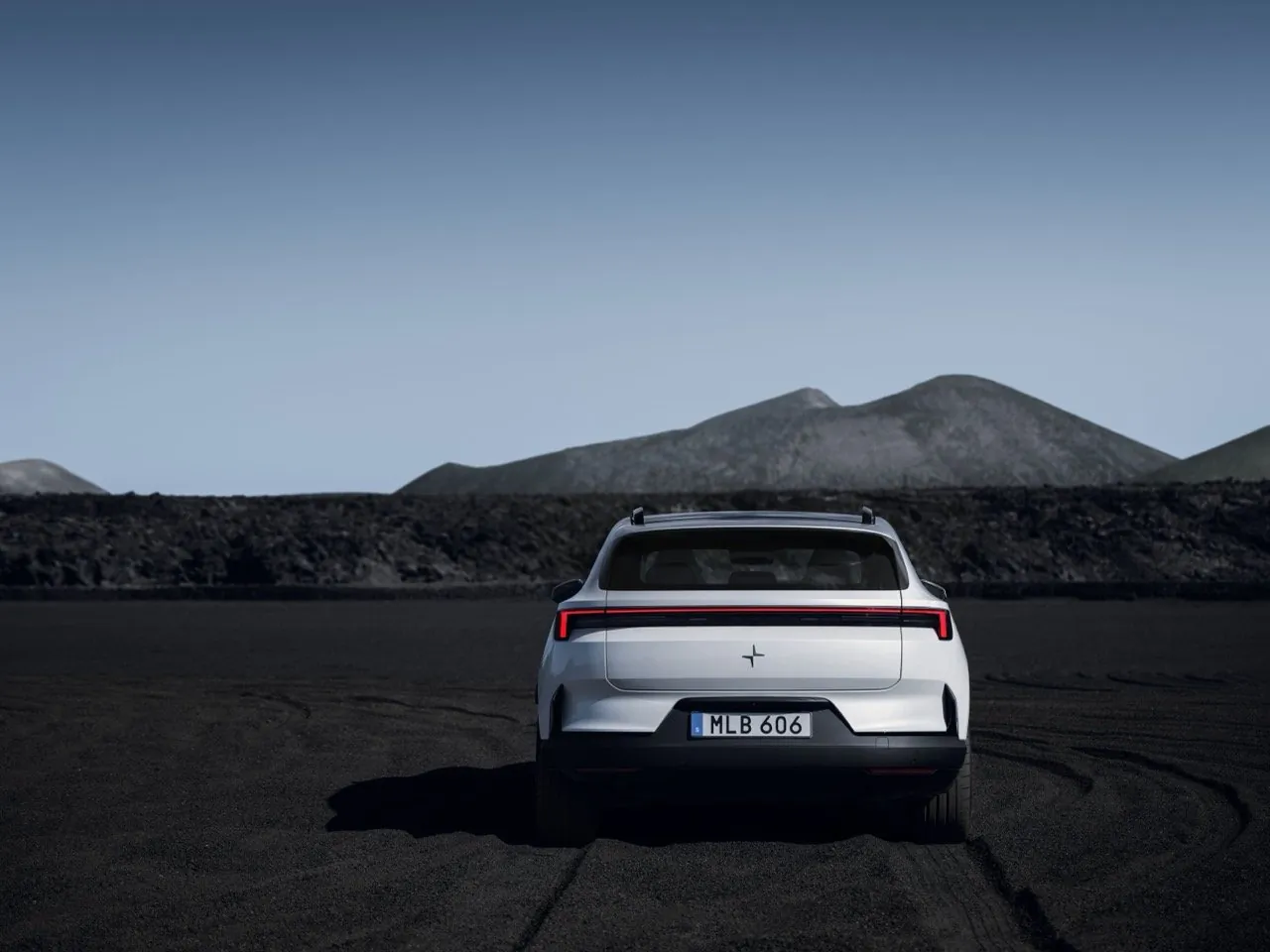
Polestar 4 SUV Confirmed for Canada — With a Rear Window This Time
4 min read
Polestar is bringing a more practical version of its Polestar 4 to Canada as a 2027 model, with a real rear window, 2.5 cm more rear headroom and a 100 kWh battery in single- and dual-motor trims. Canadian pricing is not yet announced, and U.S. buyers are shut out entirely.
The Charge Brief
Get Canada’s EV transition in your inbox
One email a day. No spam, unsubscribe anytime.