
technology
Nano One and Standard Lithium Qualify US Lithium for Canadian-Made LFP Batteries
Burnaby-based Nano One produced LFP cathode material from Standard Lithium's Arkansas lithium carbonate, hitting 155 mAh/g in test cells — a supply-chain play that could accelerate North American battery material qualification by up to a year.
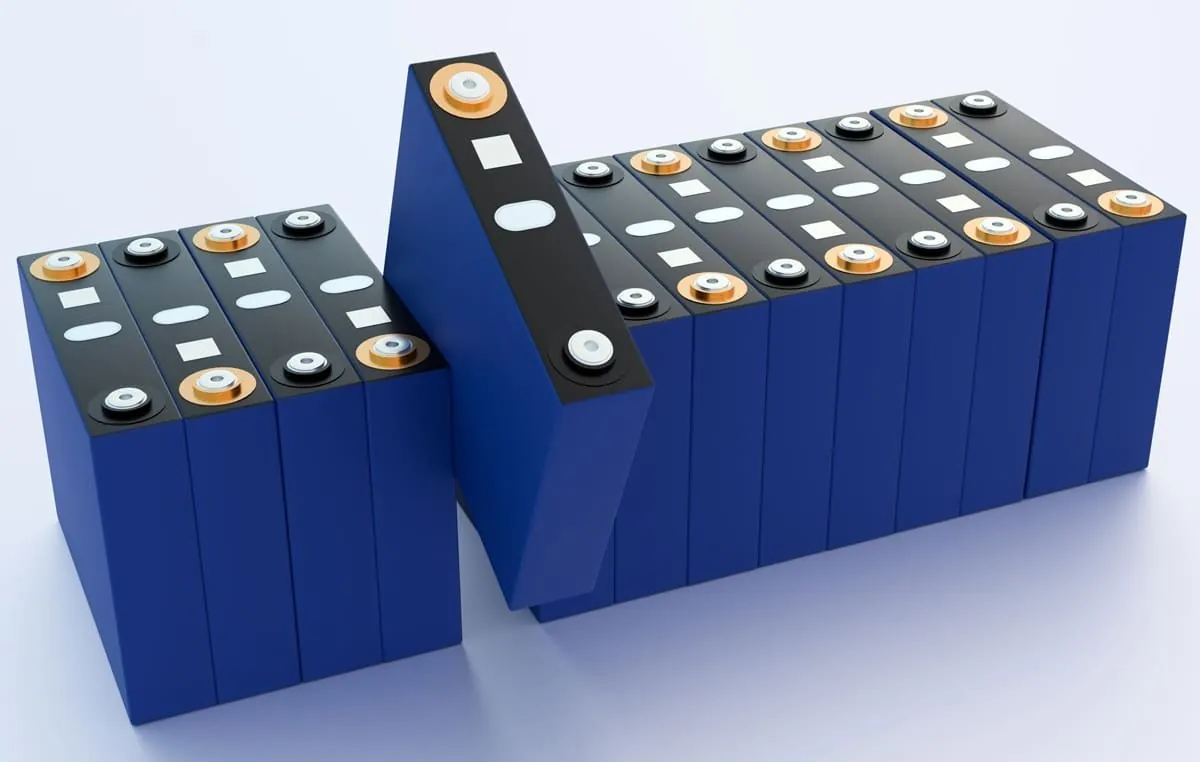
A Canadian battery-materials company has taken a step toward closing one of North America's most consequential supply gaps. Nano One Materials, based in Burnaby, British Columbia, announced it has produced lithium iron phosphate (LFP) cathode active material using battery-quality lithium carbonate supplied by Standard Lithium from the pilot plant at its South West Arkansas Project — and the material hit its targets in testing.
The lithium carbonate was processed through Nano One's One-Pot process, then assembled into battery test cells in-house at Burnaby. The material achieved the target chemical and physical parameters and the intended particle morphology, the company said, with initial electrochemical tests showing performance of approximately 155 mAh/g on first discharge — within the range expected for competitive LFP chemistry.
Why pre-qualified feedstock matters
The announcement is fundamentally about de-risking supply chains. Nano One qualifies battery-grade raw material inputs through a staged protocol at increasing scales — A-sample at lab scale through C-sample at pilot scale — before D-samples in a commercial plant. By pre-qualifying feedstock like Standard Lithium's Arkansas carbonate, the company says prospective licensees can in some cases accelerate A-through-C qualification programs by as much as a year, depending on customer requirements.
The relationship began in July 2025, when Nano One joined the inaugural cohort of the Arkansas Lithium Technology Accelerator (ALTA), supported by Standard Lithium alongside Arkansas producers, academic institutions and government partners. The collaboration now links U.S.-produced lithium with Canadian cathode processing — exactly the cross-border materials loop that EV battery supply chains have lacked.
The Candiac scale-up
Nano One's commercial ambition rests on its Candiac, Quebec facility, where it is expanding total production capacity to approximately 800 tons per year. The company had completed 85% of the detailed engineering for the expansion as of July 2026 and is targeting commissioning of the expanded demonstration line in the first half of 2027.
The timing aligns with a broader shift. LFP chemistry — cheaper, longer-lived and cobalt-free — is moving from entry-level vehicles toward the mainstream, and Chinese LFP cellmakers currently dominate global production. A qualified North American LFP materials chain, with U.S. lithium feeding Canadian processing, is the prerequisite for any domestic cell manufacturing that wants to avoid import dependence at the cathode layer.
What it means for Canadian EV buyers
Nothing on a dealership sticker changes this year. But the direction matters: Canada's battery strategy has concentrated on cell plants in Ontario and Quebec, and EV cost curves ultimately trace back to material costs. Every ton of cathode material that can be qualified and produced on this continent — rather than shipped from Asia — compresses the price gap between LFP and legacy chemistries, and shortens the qualification pipeline for the plants that depend on it. Nano One's Burnaby test cells are a small milestone on that path, but they are a real one.
Looking for EV deals, insurance, or financing? Check out our partner deals and offers.
If you found this guide helpful, use our Tesla referral link for free Supercharging credits on a new Tesla purchase or lease in Canada.
Next story · swipe left
Next story
P.E.I. Solar Farm Battery Fire Burns for Two Weeks — Experts Warn Canada Isn't Ready
5 min read
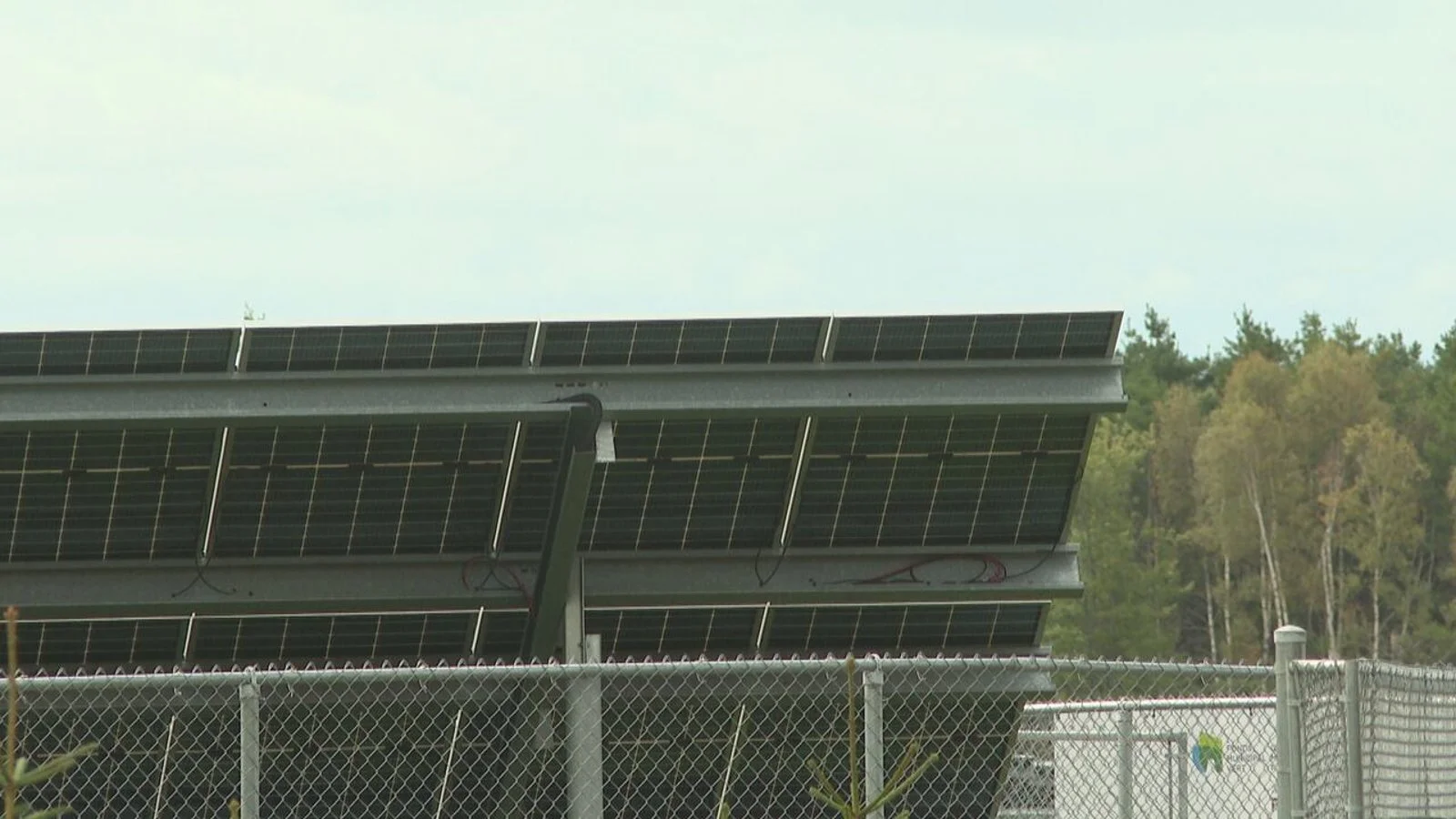
A lithium-ion battery fire at the Summerside Sunbank solar farm started on Labour Day and took 14 days to contain. Fire experts say volunteer departments lack training and national strategy for grid-scale battery fires, which behave like self-fuelling flamethrowers.
The Charge Brief
Get Canada’s EV transition in your inbox
One email a day. No spam, unsubscribe anytime.