
policy
batteryP.E.I. Solar Farm Battery Fire Burns for Two Weeks — Experts Warn Canada Isn't Ready
A lithium-ion battery fire at the Summerside Sunbank solar farm started on Labour Day and took 14 days to contain. Fire experts say volunteer departments lack training and national strategy for grid-scale battery fires, which behave like self-fuelling flamethrowers.
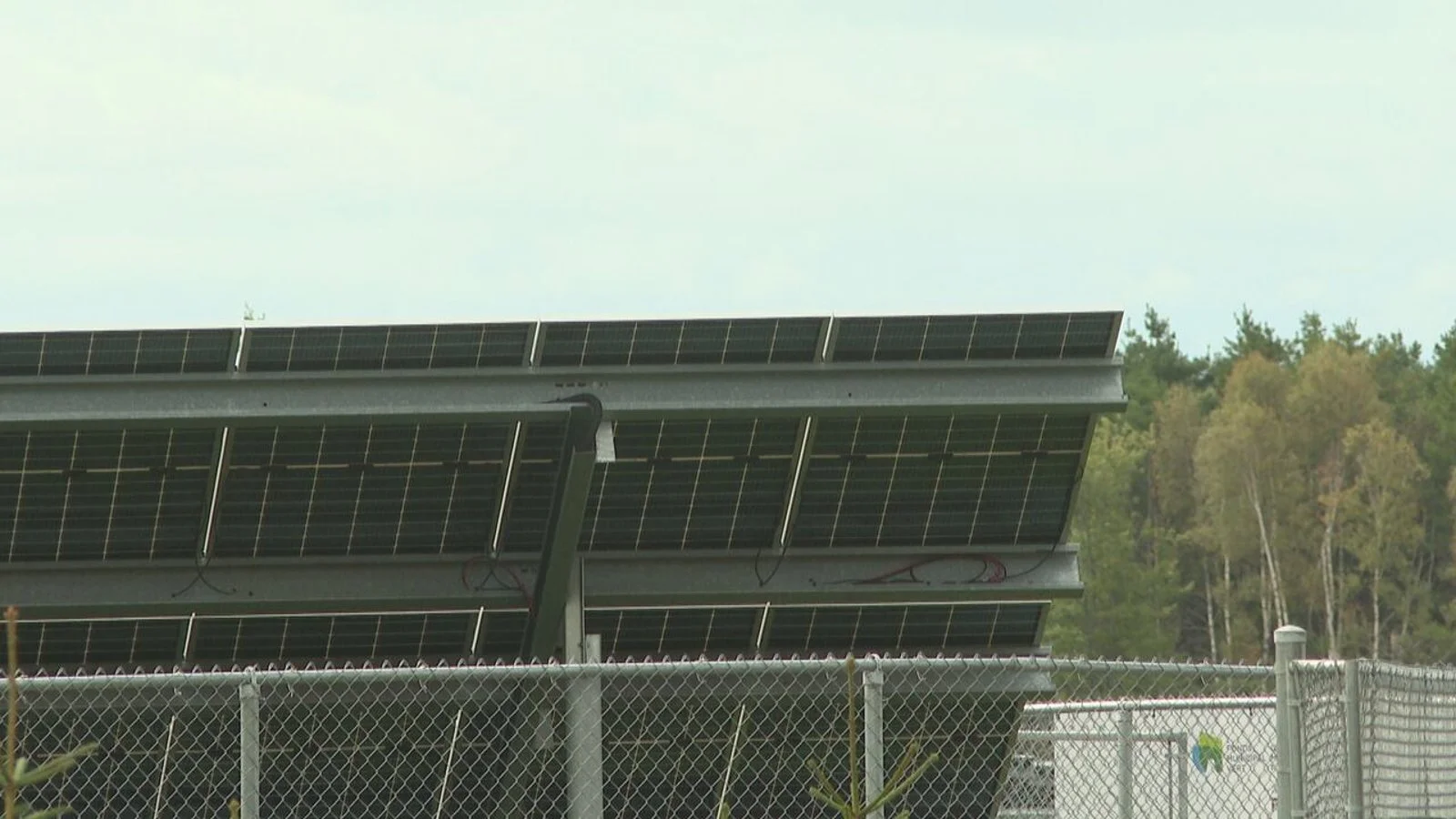
A lithium-ion battery fire at the Summerside Sunbank solar farm in Prince Edward Island burned for two weeks, starting on Labour Day and only being declared out on September 21. The incident has fire experts warning that Canada's volunteer-heavy fire services are unprepared for the battery fires that come with the clean energy transition.
What happened at Summerside
The fire began on September 7 in a battery energy storage system at the 30-hectare Summerside Sunbank, a 21-megawatt solar array capable of powering the city of 16,000. The blaze triggered a shelter-in-place order and a voluntary evacuation notice for nearby residents due to toxic smoke risk. Fire crews from across the Maritimes rotated 24/7 for 14 days, using a cooling strategy to stop thermal runaway — the chain reaction where one overheating cell ignites its neighbours.
City officials confirmed the fire is out and have moved into a recovery phase to assess damage and determine the cause.
Why battery fires are different
Fire and explosion investigator Richard Meier explained that lithium-ion battery fires cannot be extinguished by cutting off oxygen. The batteries generate their own oxygen-like chemicals during thermal runaway, and their flammable electrolyte — similar in consistency to kerosene — can eject under pressure "like a flamethrower."
Meier said the tightly packed cells in a shipping-container-sized battery bank keep setting each other off. The only effective tactic is cooling the batteries enough to halt the chain reaction, which requires sustained water application and specialized training.
Canada's preparedness gap
Paul Maynard, vice-president of the Canadian Volunteer Fire Services Association, said most rural Canadian communities rely on volunteer firefighters who lack the equipment, training, and time to handle long-duration battery incidents.
"The technology seems to be evolving faster than what the public safety system can kind of keep up to," Maynard said. He called for a national strategy covering site identification, common training standards, and manufacturer engagement — treating firefighters as "design stakeholders, not simply end users of emergency information."
Design changes can help: Meier recommended spacing battery containers like explosives depots, with berms and separation so one failure doesn't cascade.
The scale of the challenge
Large-scale battery storage is expanding across Canada to support renewable energy integration, including in rural areas protected by volunteer departments. The Summerside Sunbank is one of many such installations. Every EV charging station, residential solar battery, and grid-storage site adds to the response burden.
Maynard emphasized he is not opposing clean energy — "the technology is not going away" — but said Canada must figure out how to support it safely.
Looking for EV deals, insurance, or financing? Check out our partner deals and offers.
If you found this guide helpful, use our Tesla referral link for free Supercharging credits on a new Tesla purchase or lease in Canada.

Next story · swipe left
Next story
Quebec Cuts Its 2035 ZEV Mandate From 100% to 80% — With No Press Conference and No Release
5 min read
Quebec has quietly confirmed its 2035 ZEV target now requires 80% electric or plug-in hybrid sales instead of 100%, with interim targets for 2026–2034 slashed by up to a third. Non-plug-in hybrids now earn 0.25 credits through 2027. Here is the full year-by-year table and what it means for Canadian buyers.
The Charge Brief
Get Canada’s EV transition in your inbox
One email a day. No spam, unsubscribe anytime.