
technology
batteryToyota's New Solid-State Battery Partner Gives the Technology Its Best Shot at Mass Production
Toyota has chosen a battery materials partner for its solid-state program, and the choice signals that the automaker believes solid-state is closer to a production reality than its critics have assumed.
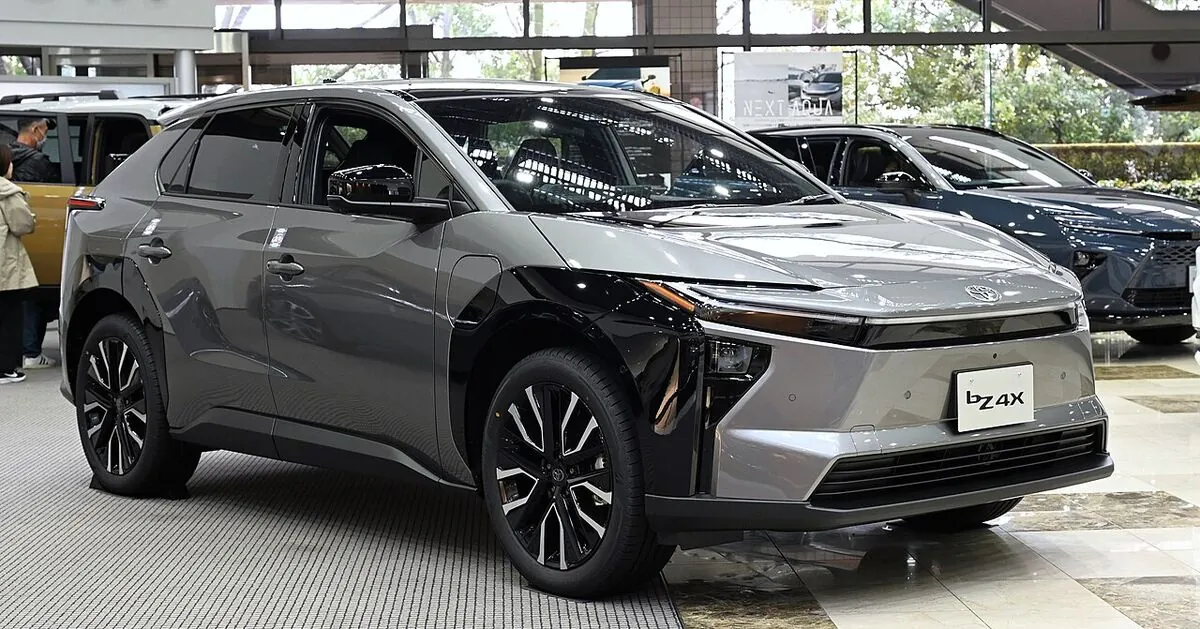
Toyota has publicly committed to a solid-state battery partner for its next-generation electric-vehicle program, ending years in which the automaker discussed the technology in vague terms without naming the industrial infrastructure that would make it manufacturable. The announcement matters because solid-state batteries have been perpetually "five years away" for long enough that the industry has learned to treat them with skepticism. This announcement is different: it names a process and a scale.
What solid-state actually changes
Current EV batteries use a liquid electrolyte between the anode and cathode. Solid-state batteries replace that liquid with a solid ceramic or polymer layer, which allows higher energy density, faster charging, and better thermal stability — meaning fewer fires and less degradation in extreme temperatures. The promise is a battery that holds more charge, charges faster, and lasts longer, without the cooling systems and safety margins that add weight and cost to today's packs.
Why Toyota's timing matters
Toyota has bet on hybrids longer and more aggressively than any other major automaker, and its relative silence on EVs has been strategic — the company has been waiting for battery technology that justifies a full switch. Solid-state is that bet. The partner Toyota named brings decades of specialty materials manufacturing, which is the missing piece: solid-state cells have been demonstrated in labs but not at production scale, because the materials are harder to handle and the yield rates lower. An industrial partner with that experience changes the math.
What it means for Canadian buyers
Solid-state batteries, if they reach mass production, would be a direct answer to Canadian range anxiety in winter — higher energy density means more kilowatt-hours in the same physical pack, and better thermal stability means less range loss at -20°C. The timeline remains uncertain: Toyota has not committed to a consumer launch year. But the partnership announcement is the clearest signal yet that the company believes the timeline is shorter than the "always five years" narrative suggests.
Looking for EV deals, insurance, or financing? Check out our partner deals and offers.
If you found this guide helpful, use our Tesla referral link for free Supercharging credits on a new Tesla purchase or lease in Canada.
Next story · swipe left
Next story
A $418 EV Charging Bill Shows Why Canadians Need to Check Charger Rates Before Plugging In
5 min read
A Michigan driver was billed $418 for a 44-minute session at a dealership charger listed as public — $5/kWh plus $5/minute, 31x the normal rate. Here's how Canadian drivers can avoid bill shock at dealer and host-owned chargers.
The Charge Brief
Get Canada’s EV transition in your inbox
One email a day. No spam, unsubscribe anytime.