
technology
batteryEV Battery Mining: The Environmental Impact Nobody Markets
Lithium, nickel, and cobalt mining for EV batteries — the real environmental costs, the dirtiest links in the chain, and how the industry is cleaning them up.
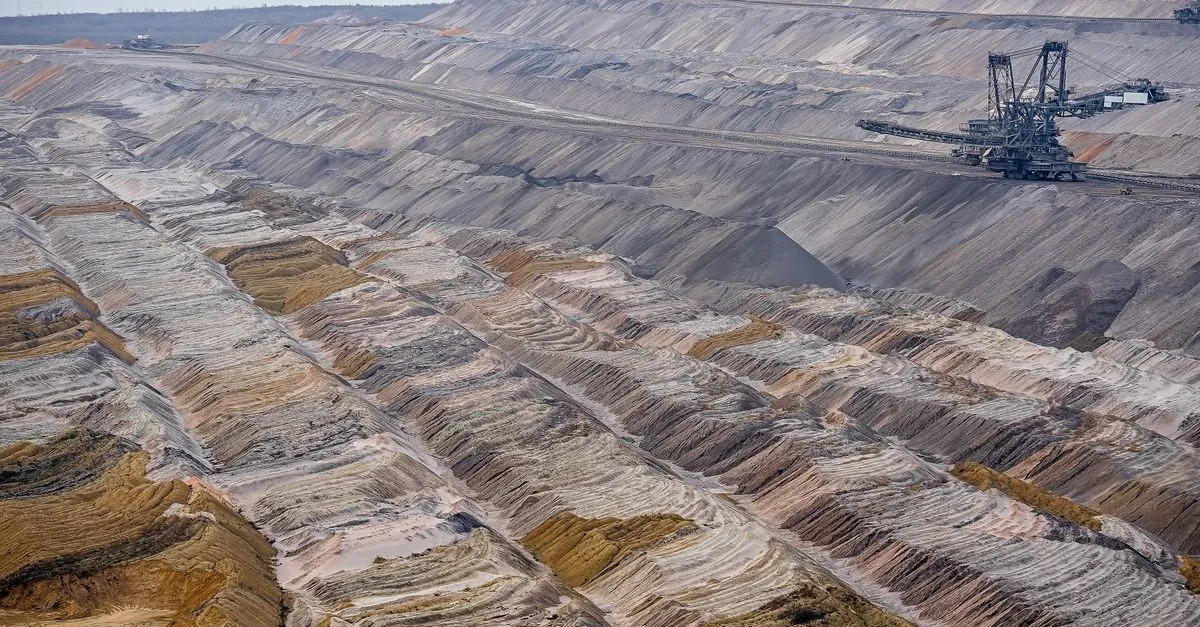
Every honest EV conversation eventually arrives here: the mining. The metals in a battery pack — lithium, nickel, cobalt, manganese, graphite — come out of the ground somewhere, and some of those somewhere are ugly. Here's the full picture, without the marketing gloss or the reflexive dismissal.
The scale problem, stated honestly
A typical EV battery pack contains roughly 8 kilograms of lithium, around 14 kilograms of cobalt (where chemistries still use it), over 30 kilograms of nickel in NCM designs, and substantial copper and aluminium. Multiply by tens of millions of vehicles per year globally and you get mining expansion at a pace the industry has never before managed. The environmental costs — water use in lithium brine operations, tailings from nickel laterites, artisanal cobalt in the Democratic Republic of Congo — are real and documented.
Lithium: brines, hard rock, and water
Lithium comes from two main sources: South American brine evaporation and Australian hard-rock spodumene. Brine operations in the lithium triangle — Chile, Argentina, Bolivia — pump groundwater into vast evaporation ponds, a water-intensive process in some of the driest inhabited places on Earth. Hard-rock mining consumes less water but more energy, since spodumene must be crushed and roasted. Neither is clean; both are getting better as direct lithium extraction technologies move from pilot to commercial scale, promising higher recovery with a fraction of the water and land footprint.
Cobalt: the industry's hardest question
Roughly two-thirds of the world's cobalt comes from the Democratic Republic of Congo, where artisanal mining — hand-dug tunnels, child labour documented by Amnesty International and others — remains part of the supply chain. This is the industry's genuine moral problem, and the response has been structural: LFP batteries that use no cobalt at all now dominate new capacity, and the automakers that still use NCM chemistries have implemented audited supply chains under standards like the Responsible Minerals Initiative. The direction is unmistakable — cobalt intensity per vehicle is falling every year — but the transition isn't finished.
Nickel and graphite: energy hogs
Nickel refining — particularly the Indonesian laterite route — is energy-intensive and frequently powered by coal at present, which inflates the manufacturing footprint of NCM batteries. Graphite, whether mined or synthetic, adds its own energy cost. Both are targets for decarbonization: Indonesian smelters are contracting renewable and hydro power, and battery recycling loops the metals back with a fraction of the original footprint.
Recycling changes the long game
Here's the structural point most critics miss: battery metals aren't fuel. Gasoline burns once and is gone; lithium, nickel, and cobalt are elements that can be recovered indefinitely. Companies like Redwood Materials and Li-Cycle are already recovering over 90 percent of critical metals from end-of-life packs, and recycled material carries a dramatically smaller footprint than virgin mining. As the first large EV cohorts reach retirement age in the 2030s, recycled supply becomes a meaningful share of demand — the mining burden is front-loaded and temporary in a way that oil extraction never is.
The honest comparison
Oil extraction, refining, transport, and combustion has its own enormous mining footprint — it's just not labelled as mining. A gasoline car burns through roughly its own body weight in fuel every year, extracted, refined, and dispersed as pollution forever. The EV's mining debt is paid once, partially recovered at end-of-life, and attached to a grid that gets cleaner annually. The full-lifecycle studies, even from institutions with no industry funding, consistently land on the same conclusion: the EV wins, and the gap widens every year.
Looking for deals, insurance, or financing for an EV? Check our offers and partners.
If this honest breakdown helped, use our Tesla referral link for purchase credits and perks when ordering.
Next story · swipe left
Next story
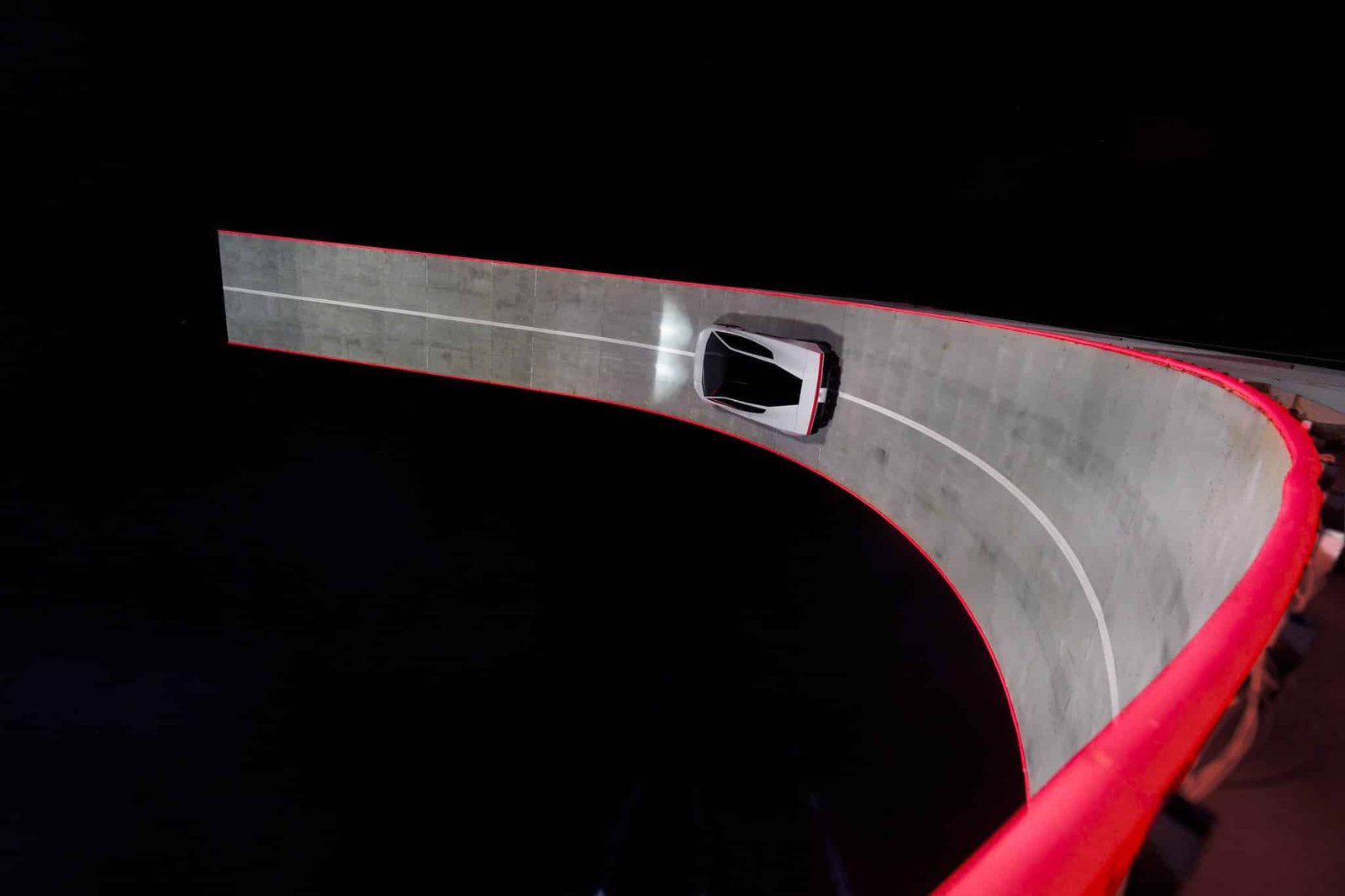
Tesla Roadster to Perform Stunts Autonomously with Texas Test Track Tease
4 min read
Elon Musk says the next-generation Tesla Roadster will be able to perform its stunts without a driver and a wild looping track is planned at Tesla headquarters in Texas.
The Charge Brief
Get Canada’s EV transition in your inbox
One email a day. No spam, unsubscribe anytime.