deals
teslaEVs With NACS Ports in Canada 2026: Every Model That Plugs Into Tesla Superchargers Natively
The complete list of NACS-native EVs available in Canada — Nissan Ariya 2027, Toyota bZ and C-HR 2027, Kia, Hyundai, GM, Ford — with what it means for charging on the road and adapters for everything else.
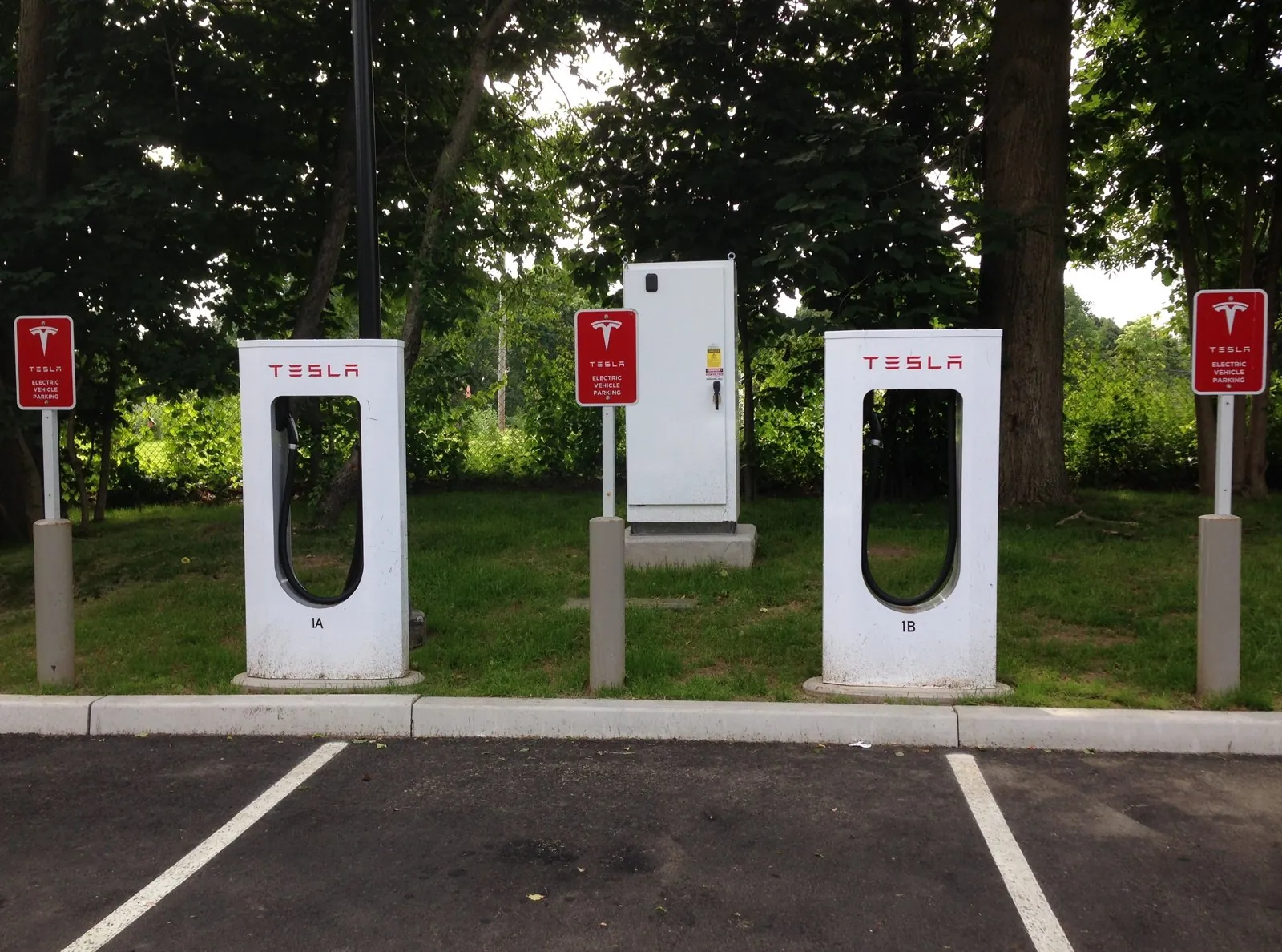
The list of EVs that plug into Tesla Superchargers without an adapter keeps growing in Canada — and with the 2027 Nissan Ariya shipping a native NACS port this fall and Toyota making charging adapters standard across its 2027 C-HR, bZ, and bZ Woodland lineup, the North American charging standard is now the default for new models. Here is every NACS-native option Canadian shoppers can actually buy, and what it means for road-trip charging.
NACS-native and NACS-ready EVs in Canada
| Brand | Models with native NACS | Status in Canada |
|---|---|---|
| Tesla | All models | Native since day one |
| Nissan | 2027 Ariya | Announced Aug 2026, arrives fall |
| Toyota | 2027 C-HR, bZ, bZ Woodland | Adapters standard; on sale now |
| Hyundai / Kia / Genesis | Ioniq 5, Ioniq 6, EV3, EV6 and newer | Native ports on current model years |
| GM | Equinox EV, Blazer EV, Silverado EV, Lyriq | Transitioning lineup to native ports |
| Ford | Mustang Mach-E, F-150 Lightning | Adapter access today; native ports rolling out |
Why NACS matters more in Canada than anywhere else
Tesla's Supercharger network remains the most reliable long-distance charging asset in Canada — our network comparison shows it leading on uptime and corridor coverage, particularly on northern and winter routes where alternatives thin out. Until recently, that advantage was reserved for Tesla owners. The industry's convergence on NACS changes the calculus: buying a non-Tesla EV no longer means second-class road-trip infrastructure.
The practical benefits stack up for Canadian drivers specifically:
- Winter reliability: Superchargers have a strong track record in cold-weather operation, when charging speeds slow and queue tolerance drops.
- One plug, one app: Native NACS ends the adapter juggle in trunk cargo areas and the multi-app dance across Canada's fragmented charging apps.
- Resale value: As NACS becomes the default, CCS-only vehicles will read as last-generation to used buyers — the same way CHAdeMO-only cars do today.
What if your EV is CCS?
Most existing non-Tesla EVs in Canada use CCS ports, and most automakers now provide approved NACS adapters — Toyota's move to make them standard equipment on 2027 models is the template. If you drive a CCS vehicle, check with your manufacturer before buying a third-party adapter: only approved units unlock Supercharger authentication, and unauthorized adapters are blocked at the charger.
For new buyers, the decision has simplified: any 2027 model-year vehicle with a native NACS port — like the $48,998 Ariya — is future-proofed on charging for the ownership period. CCS networks aren't disappearing, but the growth, and the newest hardware like FortisBC's 180 kW Okanagan stations, increasingly speaks NACS too.
Looking for EV deals, insurance, or financing? Check out our partner deals and offers.
If you found this guide helpful, use our Tesla referral link for free Supercharging credits on a new Tesla purchase or lease in Canada.
Next story · swipe left
Next story
63% of Canadians Want Chinese EVs on the Market — but Half Can't Name a Single Brand
4 min read
A Clarify Group survey of 2,007 recent Canadian vehicle buyers finds 63% support allowing Chinese EV brands into Canada and 38% would consider one as their next vehicle — yet 48% couldn't name a single Chinese nameplate. With 15,603 imported under the reduced-tariff quota so far, affordability is driving the interest.
The Charge Brief
Get Canada’s EV transition in your inbox
One email a day. No spam, unsubscribe anytime.