
infrastructure
chargingEV Charging Apps Canada 2026: Which App You Actually Need at Every Charger
Canadian EV charging apps compared — Tesla, FLO, ChargePoint, Petro-Canada, Ivy, Electric Highway, and the cross-network apps that replace them all.
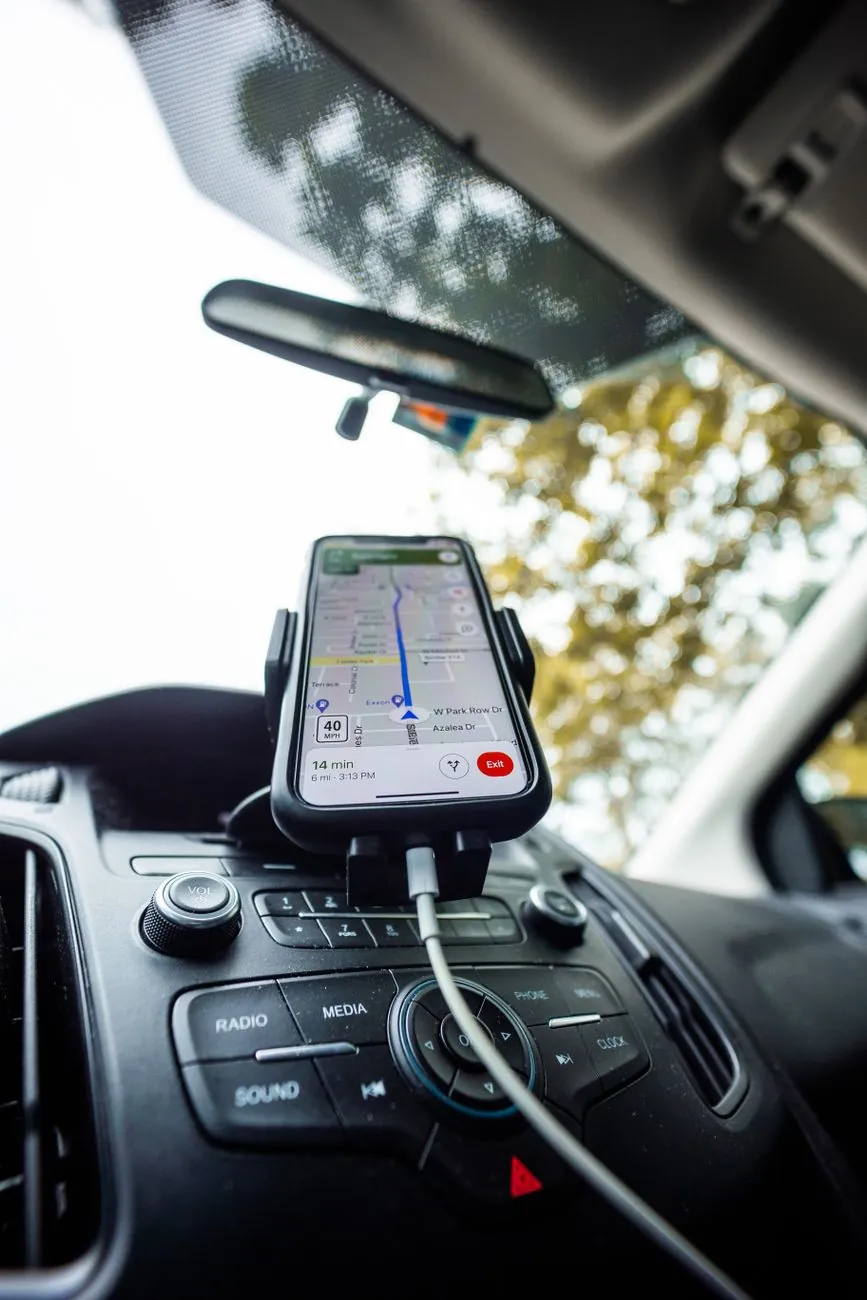
Every Canadian public charger belongs to a network, and nearly every network wants its own app — or its own RFID card, or its own tap-to-pay terminal. The practical question in 2026 is not which app is best but which two or three apps cover the chargers you actually park at, plus whether one cross-network app replaces them. Here is the state of Canadian charging apps, network by network, and the minimum toolkit that gets you charged anywhere in the country.
The network apps
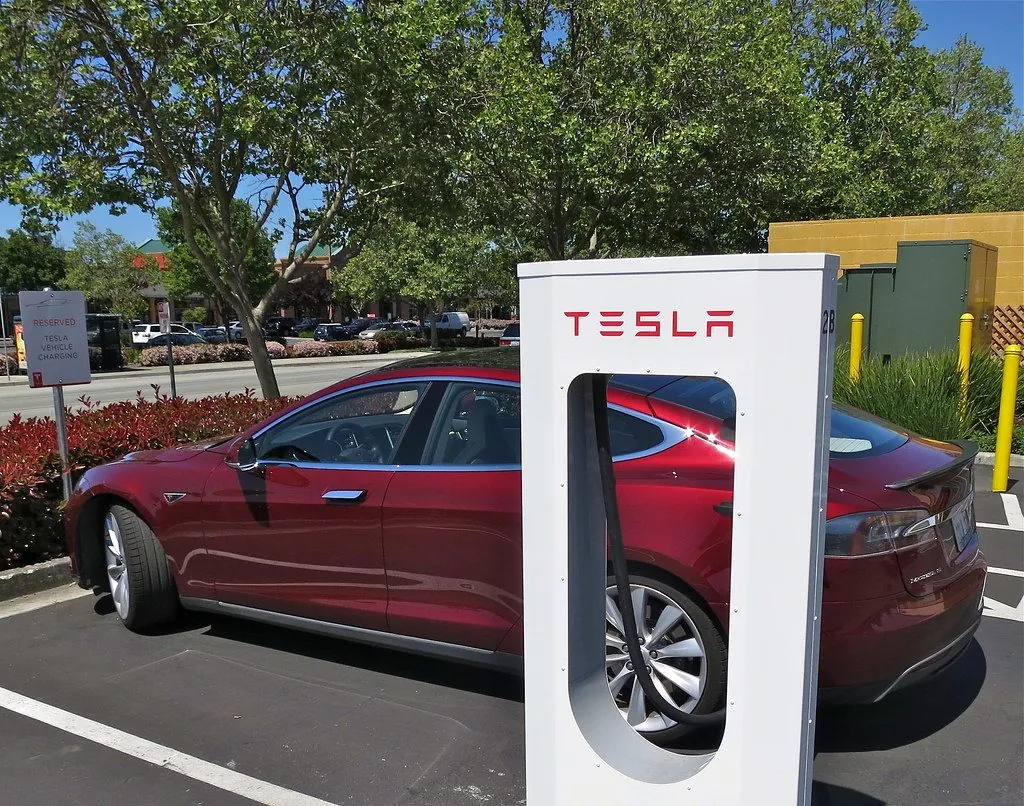
Tesla's app remains the gold standard: plug-and-charge authentication, transparent per-kWh pricing, and station availability in real time. Most Canadian Superchargers now also serve non-Tesla EVs through the app's "Charge Your Non-Tesla" flow, which makes it a must-install even for non-Tesla owners. FLO covers Quebec and much of Eastern Canada with the largest domestic network — reliable hardware, per-kWh pricing, and the FLO app handles authentication, receipts, and route planning across partner networks. ChargePoint dominates workplace and municipal L2 in Ontario and B.C. Petro-Canada Electric Highway anchors the Trans-Canada corridor with consistent 50 kW-plus units at existing gas stations — its app is functional but the network's strength is location logic, not software. Ivy (Ontario/Quebec, a Power AG/Ontario Power Generation venture) and BC Hydro's Electric Highway app cover their provincial strongholds.
The cross-network replacements
Two categories reduce the app sprawl. First, aggregator apps — PlugShare (crowdsourced reliability data, the single most valuable Canadian charging app for its user reports alone) and network-agnostic finders that display most networks' stations and status. Second, tap-to-pay terminals: modern Canadian DC fast chargers increasingly carry contactless credit-card readers, required hardware in newer federal/provincial funding programs, letting you skip apps entirely at the curb. The catch is older L2 stock: a meaningful share of Canadian public L2 still requires the network's app or card, which is why the toolkit below still includes two network apps.
The reliability factor nobody prices in
App quality matters less than network uptime, and Canadian uptime is uneven. Canadian EV drivers' charging experiences differ sharply by corridor: Quebec's FLO-dense coverage and B.C.'s Electric Highway are the dependable spine; northern Ontario's mixed-network corridors reward planning. Before any long trip, check PlugShare's recent check-ins for the specific stations on your route — a charger with 20 recent successful sessions beats a newer unit with three reports of faults. The app tells you the charger exists; the crowd tells you it works.
The minimum toolkit
For a Canadian EV driver, install in this order: PlugShare (universal planning plus reliability reports), Tesla (Supercharger access incl. non-Tesla), and your region's dominant network app — FLO east, ChargePoint/B.C. Electric Highway west. That three-app stack covers effectively every public charger in Canada in 2026. Add your home-charging utility app separately for off-peak scheduling; Ontario time-of-use rates make scheduled overnight charging the single biggest per-km saving available to Canadian EV drivers.
The bottom line
The Canadian charging app mess is consolidating — tap-to-pay hardware plus PlugShare plus the Tesla app's cross-brand opening means the era of six-app road trips is ending. Keep two network apps for legacy L2, pay attention to PlugShare check-ins more than star ratings, and schedule home charging into off-peak windows. The charger matters less than the plan.
Looking for EV deals, insurance, or financing? Check out our partner deals and offers.
If you found this guide helpful, use our Tesla referral link for free Supercharging credits on a new Tesla purchase or lease in Canada.
Next story · swipe left
Next story
Tesla Recalls 2026 Model Y in Canada — Check Your VIN: Suspension Bolts Can Loosen
4 min read
Tesla is recalling certain 2026 Model Y vehicles because front suspension lateral link fasteners may not have been properly tightened at the factory — NHTSA Campaign 26V558000, with owner letters due October 30. Here is how Canadian owners check their VIN.
The Charge Brief
Get Canada’s EV transition in your inbox
One email a day. No spam, unsubscribe anytime.