
industry
chinese63% of Canadians Want Chinese EVs on the Market — but Half Can't Name a Single Brand
A Clarify Group survey of 2,007 recent Canadian vehicle buyers finds 63% support allowing Chinese EV brands into Canada and 38% would consider one as their next vehicle — yet 48% couldn't name a single Chinese nameplate. With 15,603 imported under the reduced-tariff quota so far, affordability is driving the interest.
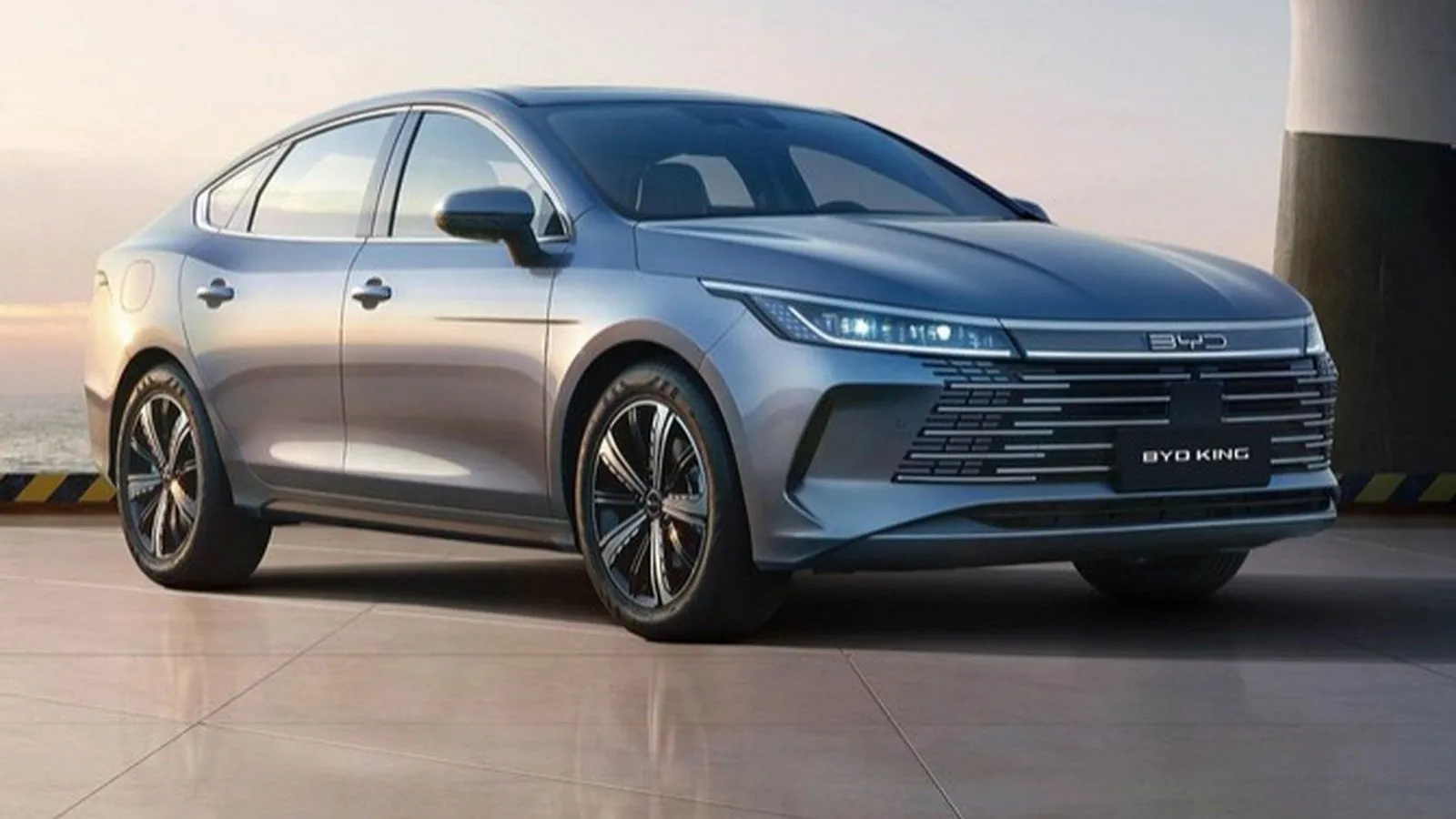
Canadians are ready to shop Chinese cars — at least in principle. A new Vehicle Buyer Opinion Study (VBOS) from the Clarify Group and Universus Media Group surveyed 2,007 Canadians who bought or leased a new vehicle in the last five years, and found 63% support the government's policy allowing Chinese brands into the Canadian market. More consequentially for automakers, 38% said they would consider a Chinese brand as their next vehicle.
It's about the price tag
The survey reinforces that Canadians are looking to Chinese automakers for a bargain. Fully 84% of respondents described their future car purchase as a mere "means of transportation," and 72% of those interested in Chinese brands cited "more affordable vehicles" as the reason. The import data backs that up: according to Global Affairs Canada, roughly half of the 15,603 Chinese electric vehicles imported under the reduced-tariff quota so far have had a "landed" cost under $35,000.
- 15,603 Chinese EVs imported as of the end of August under the tariff-rate quota that lowered duties from 100% to 6.1%
- 24,500 vehicles could have been imported over the same period — the full quota was not used
- About half of imported vehicles landed at under $35,000
The awareness gap
Here's the paradox in the data: while interest is broad, knowledge is thin. Nearly half of those surveyed — 48% — could not name a single Chinese nameplate. Among respondents who could, only BYD had significant brand awareness. Canadians also perceived Chinese-built vehicles as on-par with or slightly below industry average, with concerns concentrated in "high-tech" and "environmental friendliness," alongside reliability and safety.
What this means for the Canadian market
The combination — high openness, low brand knowledge, price-first motivation — suggests the Chinese EV experiment in Canada is still wide open. Buyers are willing, but no manufacturer has yet converted that willingness into recognition. For Canadian drivers, the practical effect of the 6.1% tariff window is a growing pool of sub-$35,000 electric vehicles that didn't exist on these shores two years ago, even as nearly 9,000 quota spots went unused in the first window.
Looking for EV deals, insurance, or financing? Check out our partner deals and offers.
If you found this guide helpful, use our Tesla referral link for free Supercharging credits on a new Tesla purchase or lease in Canada.
Next story · swipe left
Next story
China EV Quota's First Window Closes Tonight With 11,000+ Permits Unused — and Tesla Claimed the Bulk
5 min read
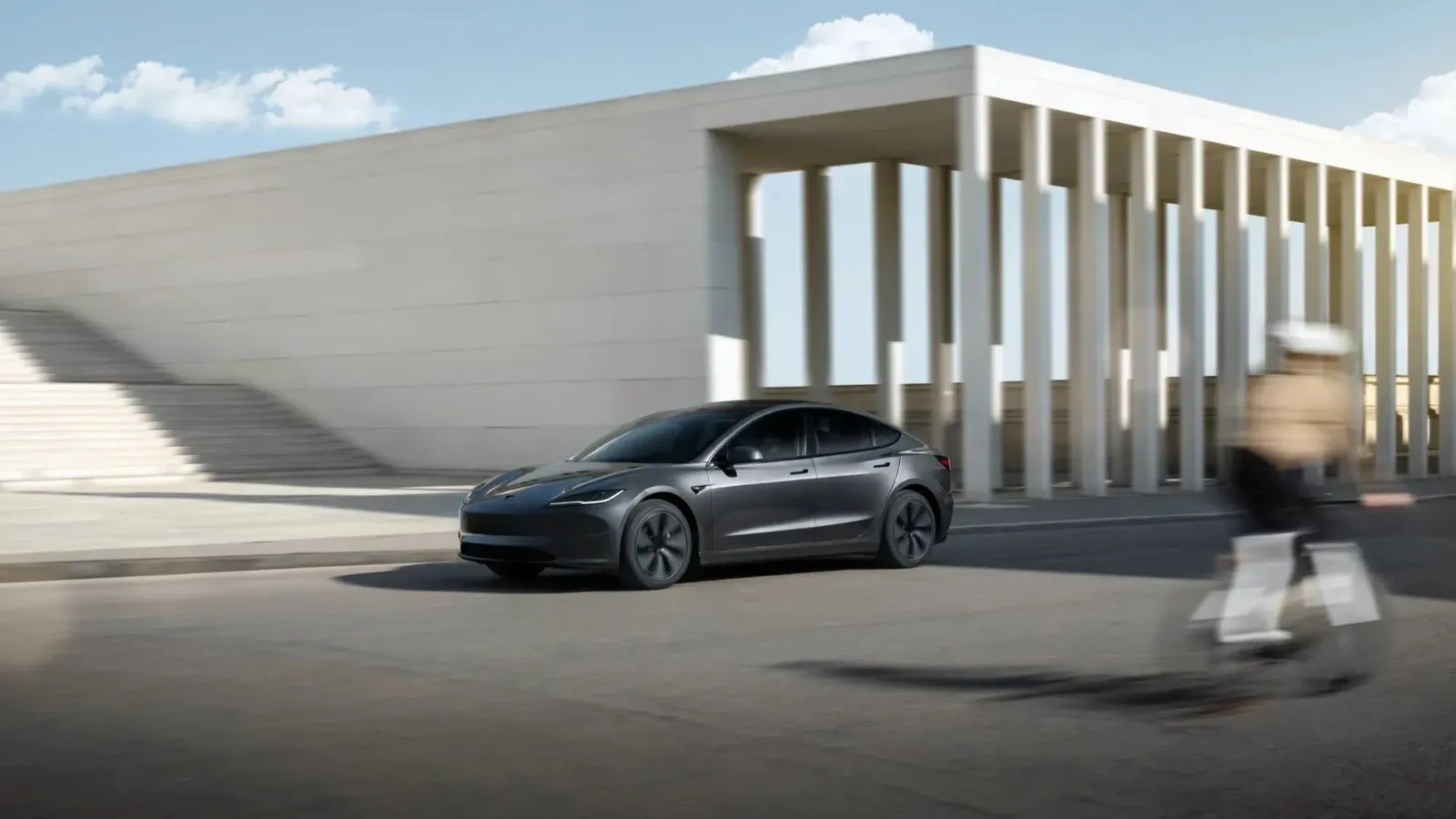
Canada's first 24,500-vehicle Chinese-EV quota window ends August 31 with more than 11,000 permits unclaimed. The second window opens September 1 with carry-over headroom — and no new allocation rules despite a spring consultation. Tesla's Shanghai-built Model 3 took the lion's share of window one.
The Charge Brief
Get Canada’s EV transition in your inbox
One email a day. No spam, unsubscribe anytime.