
infrastructure
chargingLevel 1 vs Level 2 Home Charging in Canada: What Your Outlet Actually Gives You
Level 1 (120V) vs Level 2 (240V) home EV charging in Canada — real km-per-hour rates, installation costs, off-peak savings math, and who genuinely gets away with a wall outlet.
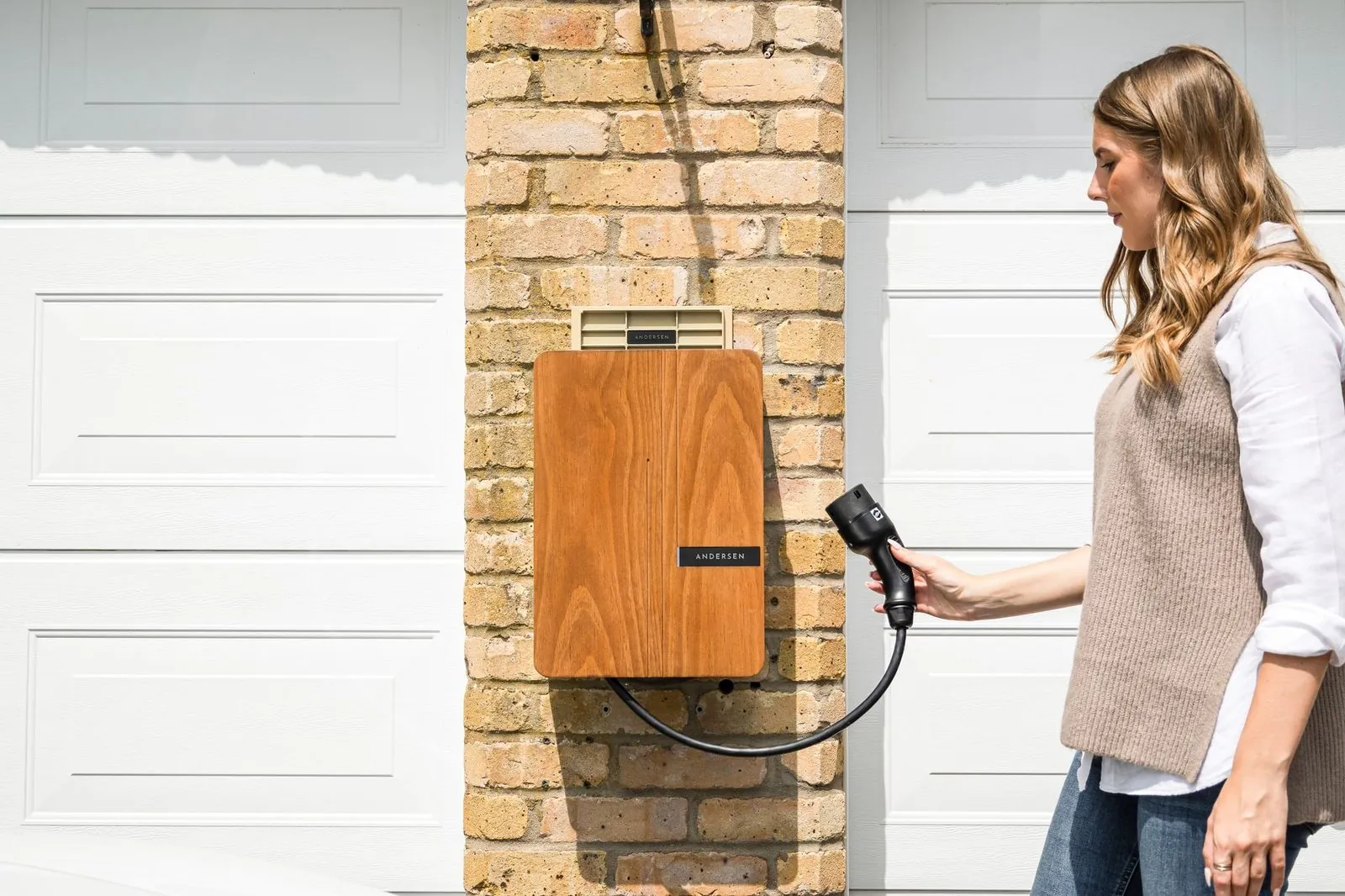
Level 1 charging — a standard 120V wall outlet — adds roughly 6 to 8 km of range per hour in Canada, while a Level 2 (240V) station adds 30 to 50 km per hour. That three-to-six-fold gap is the entire decision: a driver with a 60 km daily commute can survive on Level 1 only if they plug in every single night and never miss; everyone else needs Level 2. Here is the real math on rates, installation costs, and when the cheap option is genuinely enough.
What each level actually delivers
Level 1 on a standard North American 120V/15A circuit delivers about 1.4 kW after losses — call it 6–8 km of range per hour, or 70–90 km overnight in a 12-hour window. Level 2 on a 240V/30–48A circuit delivers 7.2–11.5 kW — 30–50 km per hour, or a full 400-km battery in 8–10 hours. The Canadian wrinkle is winter: cold-weather charging losses and battery conditioning steal 10–20 percent from both levels, and Level 1's thin margin is what collapses — a -20°C night can leave a Level 1 charger barely holding range steady while the cabin-preconditioning draw fights the charge rate.
Who genuinely gets away with Level 1
Level 1 works for a real but narrow Canadian profile: a plug-in hybrid owner (small battery, nightly top-up is the whole job); a battery-EV driver with a round-trip commute under 50 km, off-street parking at a dedicated outlet, and a second car or fallback for exception days; or a condo dweller using a shared 120V outlet as a bridge solution. The test is simple: your average daily kilometres × 1.3 (winter buffer) must stay under 70 km. If your answer hovers near that line, Level 1 will periodically ruin a morning — the marginal cost of Level 2 buys certainty.
What Level 2 really costs to install
The station itself runs $500–$1,200 for a quality Canadian-market unit (FLO Home, Wallbox, ChargePoint Home; Tesla's Wall Connector sits at the top of that band and is non-Tesla compatible via app). Installation is the variable: $300–$800 if your panel has a free breaker and the run is short; $1,500–$3,000+ if the panel needs a subpanel, a service upgrade, or a long garage-to-panel run. Get two electrician quotes; the spread on identical jobs is routinely 2×. Ontario and some provincial programs have historically offered rebates on home-station installs — check current windows before scheduling, and note most programs require a networked/smart station, which you want anyway for scheduled off-peak charging.
The off-peak math that pays for the hardware
On Ontario time-of-use or any provincial off-peak structure, scheduled Level 2 charging into the cheapest window is the single largest saving available to a Canadian EV driver: our charging-cost guide puts overnight off-peak home charging against 30–65¢/kWh public fast charging — the same energy at one-quarter to one-sixth the price. A 20,000-km/year driver consuming roughly 3,500 kWh annually saves hundreds to over a thousand dollars per year charging at home off-peak versus public fast charging, which is how a Level 2 install pays for itself inside two years — before counting the time not spent standing at a charger.
The bottom line
Try the wall outlet only if you are a PHEV owner or a sub-50-km commuter with a dedicated outlet — and set the 70-km winter threshold as your abort line. For everyone else, Level 2 is not an upgrade, it is the product: 30–50 km/hour, full overnight recovery, scheduled off-peak savings that repay the install, and a winter-proof margin no 120V trickle can match. Buy the smart unit, get two quotes, schedule the off-peak window, and stop thinking about charging entirely — which is the actual point.
Looking for EV deals, insurance, or financing? Check out our partner deals and offers.
If you found this guide helpful, use our Tesla referral link for free Supercharging credits on a new Tesla purchase or lease in Canada.
Next story · swipe left
Next story
Best Small Electric Cars in Canada 2026: City EVs Under $50K That Are Actually Good
4 min read
Best small electric cars available in Canada under $50,000 in 2026 — Chevy Bolt, Nissan Leaf, Mini Cooper SE, and Hyundai Ioniq 5 compact comparison.
The Charge Brief
Get Canada’s EV transition in your inbox
One email a day. No spam, unsubscribe anytime.