industry
ontarioGM Canada Is Writing the Software for GM's Global Vehicles — From Ontario
More than 1,100 engineers at GM Canada's Ontario campuses build Super Cruise and vehicle software that ships worldwide — 1.6 billion km of hands-free driving, hands-free towing born from Canadian roads, and $898 million a year in automaker R&D. Inside the strategy.
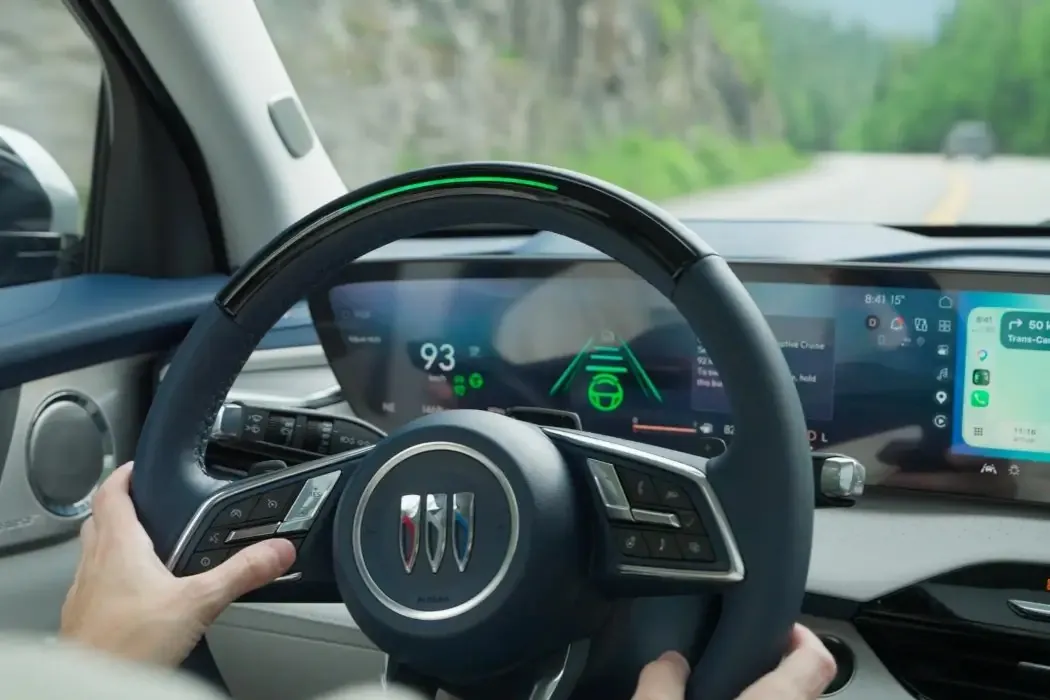
The software defining General Motors' next generation of vehicles is being written in Ontario — and it is shipping to the world. More than 1,100 engineers work across GM Canada's three campuses, and the features they build in Markham and Oshawa end up in vehicles sold far beyond the Canadian market.
That is the picture Jack Uppal, who leads GM Canada's mobility and technology strategy, laid out in an interview with BetaKit. His argument: as automakers become more like tech companies, Canada's engineering talent has become a structural advantage in the shift to software-defined vehicles.
The numbers behind the Canadian operation
- 1,100+ engineers across GM Canada's three Ontario campuses
- $898 million — automakers' in-house R&D spending in Canada in 2024, quadruple the level of a decade earlier
- 1.6 billion kilometres driven on Super Cruise in Canada and the U.S., the hands-free system pioneered by engineers in Markham
- 4.5 million GM vehicles can currently receive over-the-air updates, growing by roughly two million per year
The Canadian Technical Centres in Markham and Oshawa develop software and run simulations, while the 55-acre McLaughlin Advanced Technology Track in Oshawa lets engineers test systems in real vehicles before deployment.
Super Cruise: the Canadian export
Super Cruise, GM's hands-free highway driving system, relies on real-time cameras, radar, GPS and precision LiDAR-scanned maps. The mapping approach was pioneered in Markham and is now being adapted for Europe, the Middle East and South Korea — with each market's regulatory and customer requirements built in from the start, Uppal said.
The system also evolved in ways shaped visibly by Canadian driving. Hands-free towing was developed after engineers recognized that drivers — particularly in Western Canada — pull boats and trailers. The original system didn't account for a trailer's added size, weight and turning radius; Canadian engineers took the feature from problem identification through code, road testing, and deployment across millions of North American vehicles.
What comes next
Uppal expects the next step to be predictive: systems that use AI to recognize patterns and anticipate conditions rather than just reacting in real time — helping vehicles perform better in snow, stop faster, and respond in complex traffic. GM's near-term plans include deeper use of AI, including Google's Gemini, and new technology in the next Chevrolet Silverado and GMC Sierra.
Notably, he was explicit that this future is not limited to electric vehicles — GM will keep investing in both EVs and internal combustion as preferences and technologies evolve. For Canada's auto sector, the significance is subtler: the country's foothold in the industry is increasingly in code, not just assembly.
Looking for EV deals, insurance, or financing? Check out our partner deals and offers.
If you found this guide helpful, use our Tesla referral link for free Supercharging credits on a new Tesla purchase or lease in Canada.
Next story · swipe left
Next story
Ford 'Dead Against' Chinese EV Kits at Brampton: Stellantis–Leapmotor Talks Draw Ontario's Line
4 min read
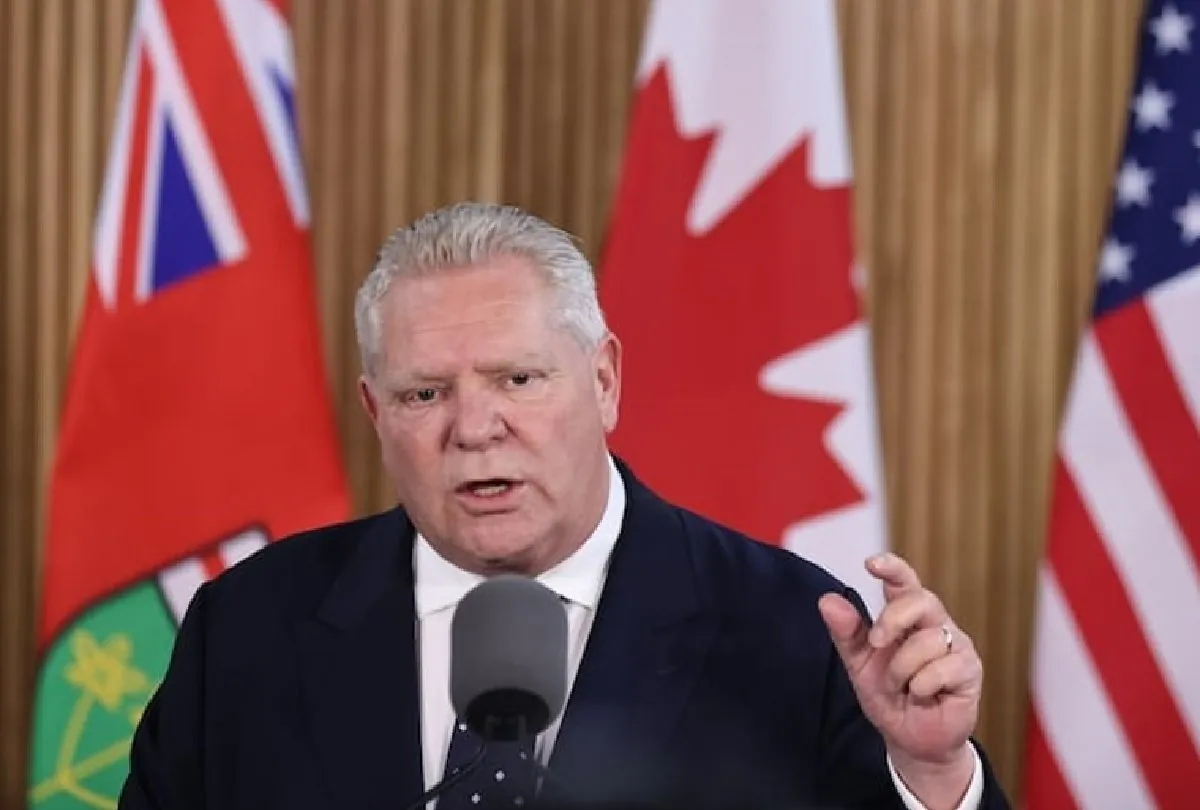
Ontario Premier Doug Ford says he'll oppose any Stellantis deal to build Leapmotor EVs in Brampton using Chinese knockdown kits, calling it a threat to auto workers. Industry Minister Mélanie Joly says new auto investments must prioritize Canadian labour and parts — while Unifor raises 'serious concerns.'
The Charge Brief
Get Canada’s EV transition in your inbox
One email a day. No spam, unsubscribe anytime.