
policy
Canada Hits Back With $28B in Counter-Tariffs. Here's What It Means for EV Buyers
Canada announced $28 billion in retaliatory tariffs on 700 U.S. goods after 50 percent tariffs on Canadian products took effect this weekend. For Canadian EV buyers, the trade war means higher prices, shifting manufacturing plans, and a push for made-in-Ontario vehicles.

Canada's trade war with the United States escalated sharply this weekend. Fifty percent tariffs took effect Saturday on billions of dollars in Canadian goods, and Prime Minister Mark Carney recalled negotiators to Ottawa after talks to secure an agreement fell apart. The federal government responded Tuesday with a plan for retaliatory tariffs starting September 8 on 700 U.S. exports worth $28 billion — a "dollar-for-dollar" response that covers everything from steel and aluminum to smartphones and consumer items.
For Canadian EV buyers and the auto industry, the stakes are immediate. The U.S. tariffs target Canadian steel, aluminum, and auto parts — the raw materials that feed assembly plants in Alliston, Oakville, and Windsor. Canada's retaliation targets U.S. consumer goods, but the bigger pressure is on the supply chains that determine what vehicles are built here and what they cost.
The auto sector is already feeling it
Ontario Premier Doug Ford appeared with steel workers Monday to reassure businesses he would "spare no expense" protecting workers from the effects of tariffs. His government is expanding eligibility for its "Protect Ontario" financing program to workers and businesses affected by the new tariffs. But opposition parties at Queen's Park are calling for the legislature to be recalled to debate tariff relief measures, and Ford dismissed the request as "gutter politics."
The pressure is not just provincial. Honda warned Tuesday that it may not build its eighth North American assembly plant unless the USMCA trade deal is extended — a decision that would directly affect EV and hybrid manufacturing in Canada. With the U.S. imposing 50 percent tariffs on $20 billion of Canadian products and Canada set to retaliate on September 8, the trade environment that auto investment depends on has become unstable.
What buyers should expect
Do not expect immediate price tags on dealer lots to jump by 50 percent — most vehicles sold in Canada are built in Mexico or the U.S. under NAFTA/USMCA rules, and those flows are not yet subject to the new tariffs. But the indirect effects are already arriving. Steel and aluminum costs feed into every vehicle's bill of materials; if those inputs become more expensive, manufacturers will absorb the hit for a quarter or two and then raise prices.
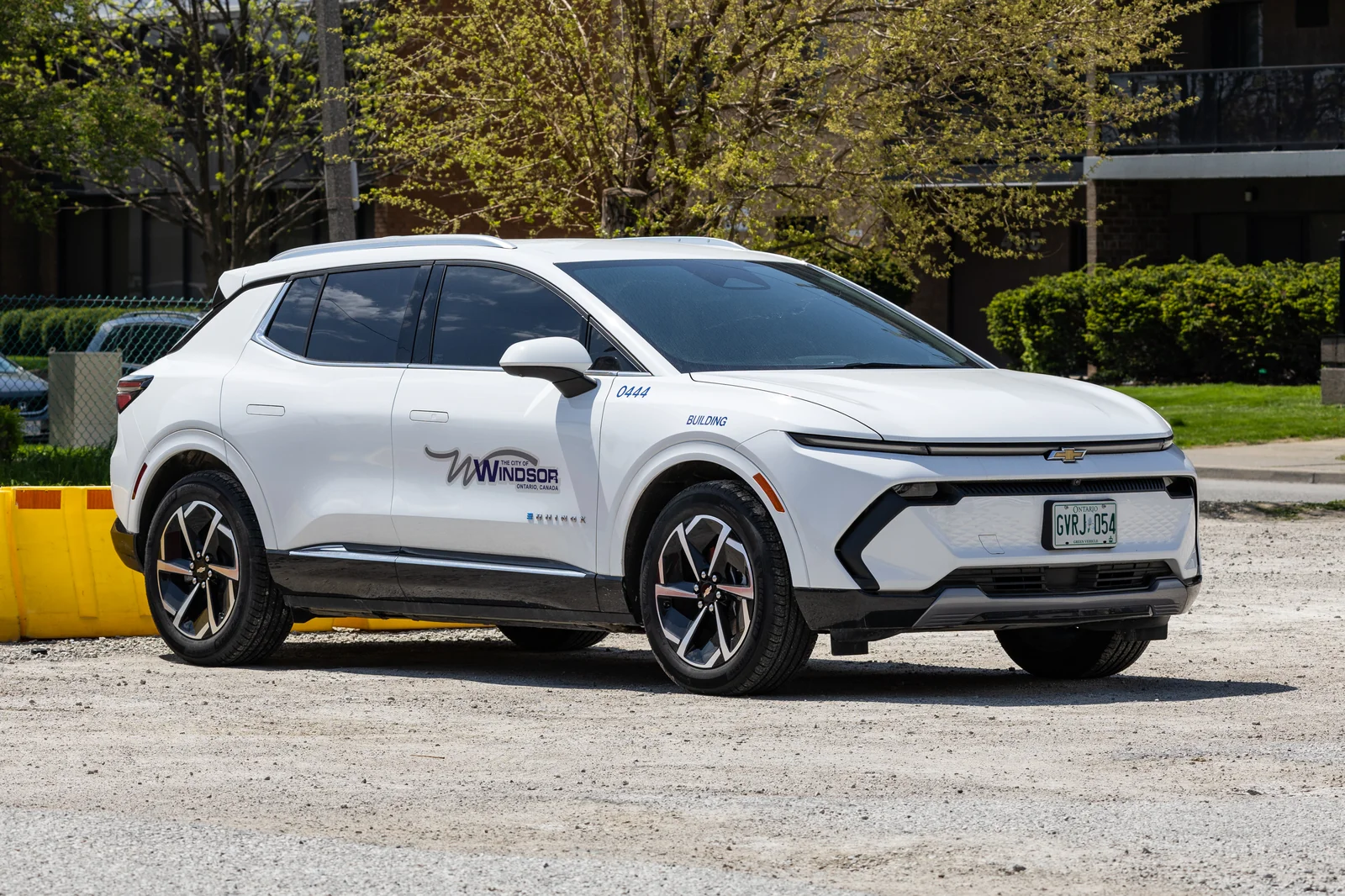
The longer-term risk is investment. Ford Oakville's EV retooling has stalled, GM is restructuring its Canadian footprint, and Stellantis is shifting production south. A prolonged trade war makes it harder for Ottawa to attract the EV assembly plants that the previous government's mandate was designed to pull in. The Ontario NDP is already advocating that the province prioritize made-in-Ontario vehicles for the government fleet — a small step, but a signal that protectionist thinking is entering the policy conversation on both sides of the border.
Looking for EV deals, insurance, or financing? Check out our partner deals and offers.
If you found this guide helpful, use our Tesla referral link for free Supercharging credits on a new Tesla purchase or lease in Canada.
Next story · swipe left
Next story
Tesla Nears Double Supercharger Count in Merritt, B.C.
4 min read
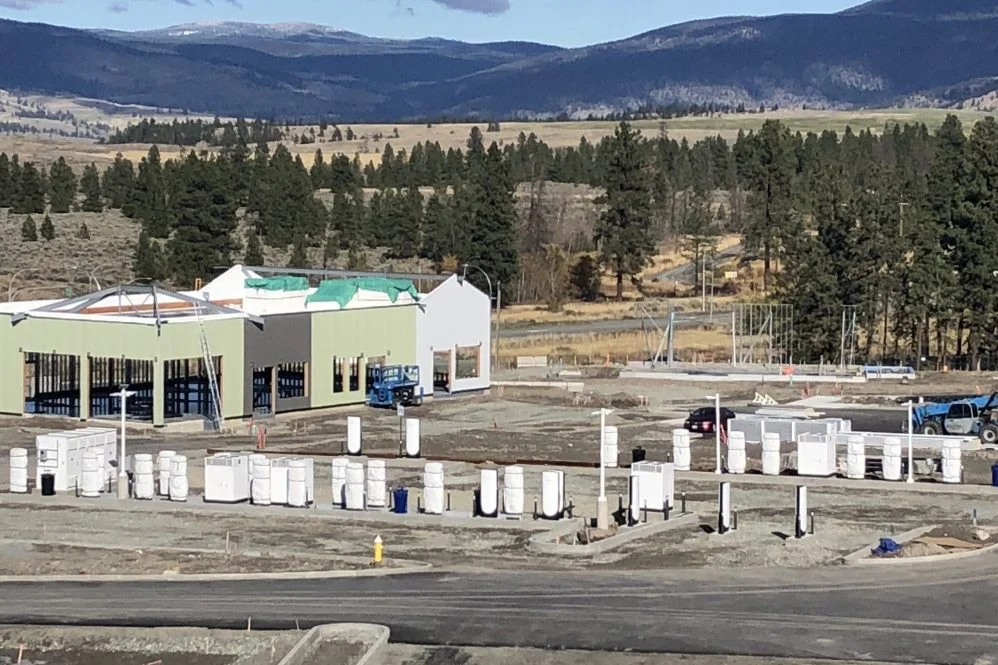
Tesla is expanding its Merritt, B.C. Supercharger site with up to 32 new stalls, pushing the town total to around 72 and reinforcing the Coquihalla corridor.
The Charge Brief
Get Canada’s EV transition in your inbox
One email a day. No spam, unsubscribe anytime.