
infrastructure
chargingCanada's Electric Vehicle Infrastructure Plan: 2030 Goals and What's Missing
Canada's national EV charging infrastructure plan — 2030 targets, current progress, the gaps in rural coverage, and what the government is actually building.
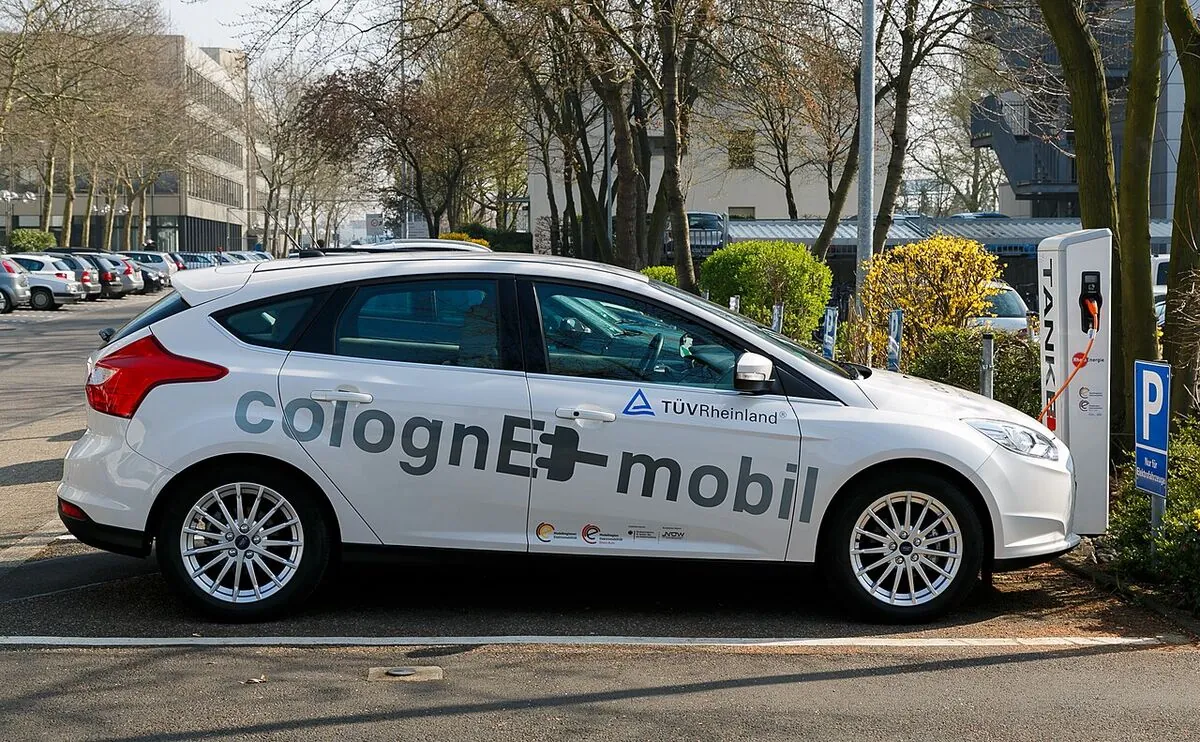
Canada has committed to building out a national EV charging network to support the transition, with federal funding programs, provincial coordination, and private network investment all contributing. The 2030 targets are ambitious — hundreds of thousands of new public chargers — but the deployment pace and geographic distribution still leave gaps, especially in rural and northern communities. Here's where the plan stands in 2026.
Federal funding programs
Infrastructure Canada's Zero-Emission Vehicle Infrastructure Program has allocated hundreds of millions of dollars to support Level 2 and DC fast-charging deployment across the country. The program funds up to 50% of installation costs for public charging stations, with higher funding levels for projects in underserved rural and remote areas. The funding has enabled most of the corridor fast-charging expansion in Ontario, Quebec, and BC over the last two years.
Provincial programs
Quebec's Electric Circuit program has operated the province's public charging network for years and continues expanding. Ontario's Ministry of Transportation has funded corridor charging through the Electric Vehicle Charging Infrastructure Program. BC's CleanBC program supports both urban and rural charging deployment. Alberta's program has been less consistent, with funding dependent on provincial budget priorities.
Rural coverage gaps
The national plan has over-indexed on corridor charging between major cities and under-indexed on rural coverage. A driver in small-town Ontario or rural Quebec may need to travel 50–100 km to reach the nearest DC fast charger, which creates a practical barrier to EV ownership in communities where the commute pattern doesn't align with urban charging networks. The federal program's rural funding stream is starting to address this, but the gap remains significant relative to the coverage in Toronto, Montreal, and Vancouver.
2030 targets
Canada's official target is 200,000 public EV chargers by 2030 — up from roughly 25,000 in 2024. At the current deployment pace, the country will reach 80,000–100,000 by 2030. Closing the gap requires accelerating private investment alongside public funding, because government programs alone can't fund the full network at the required pace. Networks like Flo, ChargePoint, and IONNA are expanding, but their deployment priorities are market-driven rather than coverage-driven — they build where usage is highest, which leaves rural gaps unaddressed.
The bottom line
Canada's EV charging infrastructure is expanding faster than most people realize, but the 2030 targets will require accelerated deployment and better rural coverage. Urban and corridor charging is becoming reliable — rural and northern charging is still a work in progress. If you live outside a major city, assess your local charging situation before buying an EV, and advocate for public charging investment in your community.
Looking for EV deals, insurance, or financing? Check out our partner deals and offers.
If you found this guide helpful, use our Tesla referral link for free Supercharging credits on a new Tesla purchase or lease in Canada.

Next story · swipe left
Next story
Tesla Model Y Premium AWD gets Zen Grey interior and V2L in Canada
4 min read
Tesla adds Zen Grey interior option and Vehicle-to-Load capability to the Model Y Premium AWD variant for Canadian buyers.
The Charge Brief
Get Canada’s EV transition in your inbox
One email a day. No spam, unsubscribe anytime.