
industry
batteryCanada's EV Battery Recovery Program Now Covers Every Province — Here's How It Works
The EV Battery Recovery program, created and funded by 31 vehicle manufacturers and operated by Call2Recycle Canada, is now available nationwide after a 2023 Quebec pilot. Free pickup, packaging and processing for eligible end-of-life EV batteries — the five-step process for dismantlers, garages, fleets and individual owners.
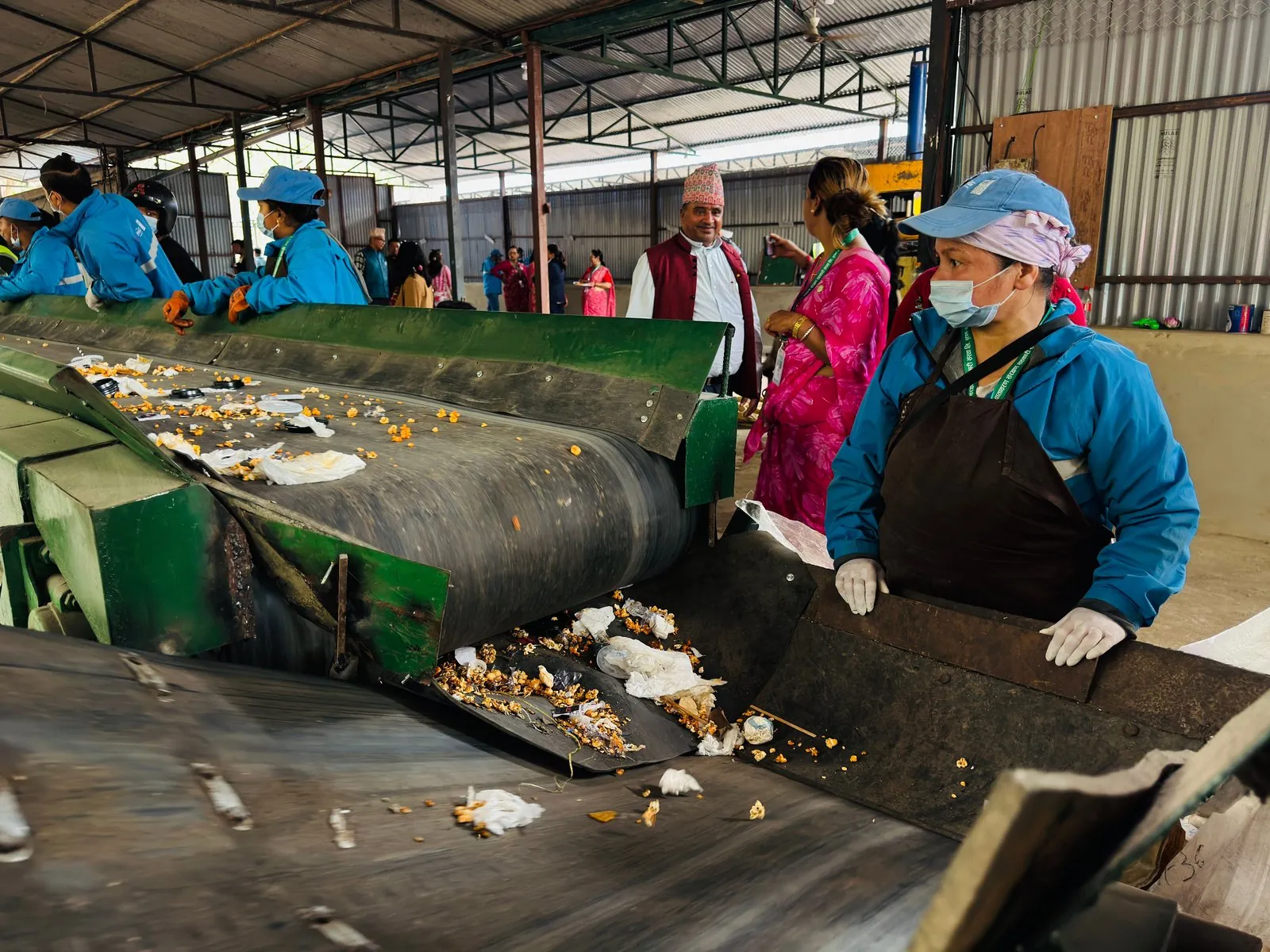
Canada now has a single national answer to a question that has trailed the EV transition for a decade: what happens to an electric vehicle battery nobody else wants? The EV Battery Recovery program — created and funded by 31 participating vehicle manufacturers and operated by Call2Recycle Canada — is available in every province and territory, offering free, compliant collection and transport for eligible end-of-life EV batteries.
The program launched as a pilot in Quebec in 2023 and expanded nationwide in 2025 under the Canadian Vehicle Manufacturers' Association and Global Automakers of Canada. A program explainer published by Call2Recycle on September 8, 2026 lays out the current process in detail. It is the first initiative of its kind in North America: a harmonized national system covering batteries from hybrid, plug-in hybrid, all-electric and fuel cell vehicles.
Who the program is for
The target user is anyone holding an EV battery that has fallen outside the usual commercial pathways — a pack that is out of warranty, unsuitable for remanufacturing, or too low-value to resell. Call2Recycle lists the served groups explicitly:
- Auto dismantlers, shredders and recyclers
- Independent garages and independent dealerships
- Fleet operators
- Individual EV owners
The program is deliberately not an Extended Producer Responsibility scheme. Each participating manufacturer remains responsible for funding, recovery and reporting for its own products; the shared platform simply routes stranded batteries into the system. Batteries collected are repurposed, remanufactured or recycled — and, per the program, never sent to landfill.
The five steps to a pickup
- Confirm eligibility. The battery must be originally installed by a participating manufacturer and not modified, remanufactured or repurposed. If eligible, all packaging, logistics and processing costs are covered.
- Gather battery information. Vehicle data, chemistry, size, weight and photos determine the right container and transport method.
- Initiate the request. The holder contacts Call2Recycle, which confirms next steps and coordinates logistics.
- Packaging, transport and documentation. Specialized packaging is provided at no cost; the service provider supplies preparation guidance and Transportation of Dangerous Goods documentation and arranges pickup.
- Assessment and final destination. Collected batteries are assessed and routed to repurposing, remanufacturing or recycling partners.
Why scale matters now
Call2Recycle picked up more than 3,000 EV batteries in 2024 alone, and volumes will only climb as the first mass-market EV wave in Canada reaches retirement. EV batteries are Class 9 dangerous goods — their size, weight and energy capacity make ad-hoc disposal both unsafe and non-compliant. With an average useful lifespan of 13 years or more, packs typically move through repair, remanufacturing, repurposing and reuse before final recycling, and each handoff is a point where a battery can strand.
The economics remain the hard part. The materials in a used pack are valuable — CVMA president Brian Kingston has pushed back on the idea that used EV batteries are worthless, calling them "very valuable" in comments to Electric Autonomy — but low-value units still need a backstop. That is precisely the gap the national program fills: making sure no eligible EV battery is left without a responsible path forward, and generating the end-of-life data Canada will need to manage millions of packs.
Looking for EV deals, insurance, or financing? Check out our partner deals and offers.
If you found this guide helpful, use our Tesla referral link for free Supercharging credits on a new Tesla purchase or lease in Canada.
Next story · swipe left
Next story
53% of Canadians Say Chinese Origin Won't Stop Them Buying an EV
4 min read
Nanos Research poll for Bloomberg shows Canadian attitudes toward Chinese-made EVs have shifted dramatically: 53% say country of origin has no effect on their purchase decision, up from 25% in 2024. Ottawa's 6.1% tariff and 49,000-vehicle quota open the door to sub-$35,000 models.
The Charge Brief
Get Canada’s EV transition in your inbox
One email a day. No spam, unsubscribe anytime.