
industry
batteryEV Battery Recycling in Canada: What Happens to Old EV Batteries
EV battery recycling in Canada — how the process works, which companies are recycling, second-life applications, and whether EV batteries are truly sustainable.
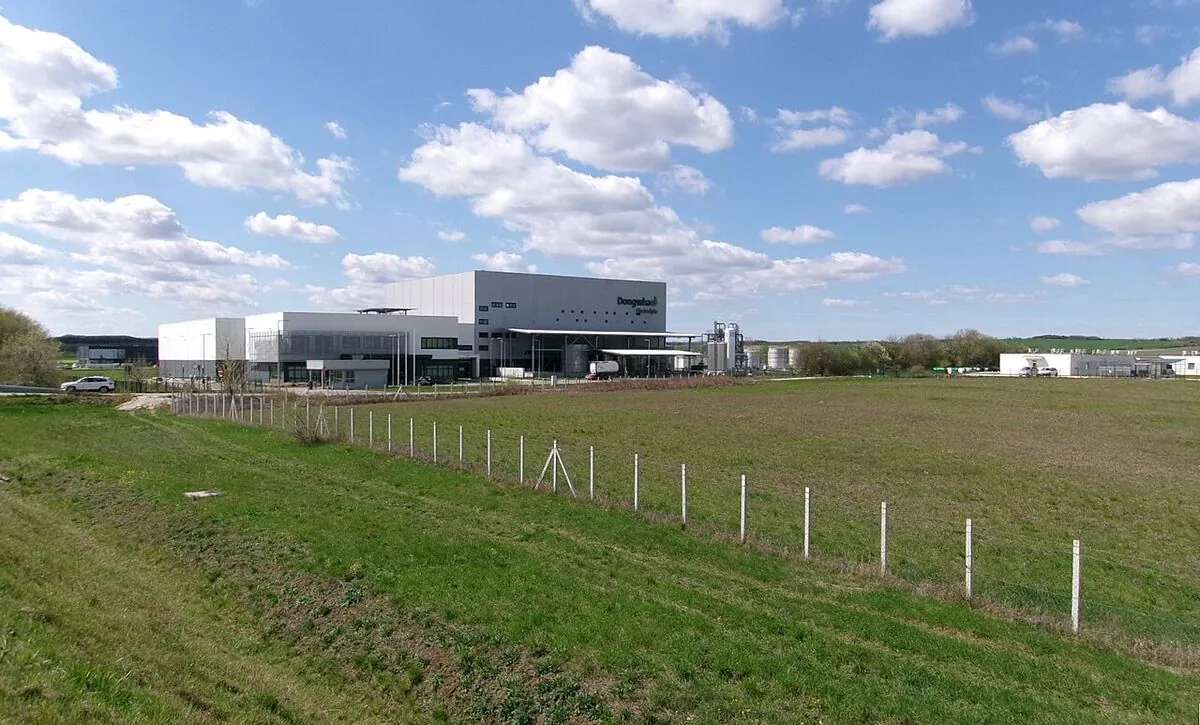
EV battery recycling is one of the sustainability questions Canadian buyers increasingly ask, and the answer has improved significantly. Early EV batteries were treated as waste; current ones are being recycled into new batteries, and the circular-economy infrastructure is growing. Here's how Canadian EV battery recycling actually works in 2026.
The recycling process
End-of-life EV batteries arrive at recycling facilities where they're disassembled, tested, and sorted. Batteries with remaining capacity above 70% are repurposed for stationary energy storage — solar battery banks, grid backup systems, and industrial applications. Batteries below 70% are shredded and processed to recover lithium, cobalt, nickel, and manganese — the materials that represent 80%+ of a battery's material value. The recovered materials are refined and sold back to battery manufacturers, closing the loop.
Canadian recycling infrastructure
Canada has invested in battery recycling infrastructure through federal and provincial programs. Companies like Li-Cycle have built facilities in Ontario and Quebec that process end-of-life batteries from North American EV production. The federal government's critical minerals strategy has designated battery recycling as a strategic priority, which means additional funding and regulatory support for recycling facilities. The infrastructure is still growing — it doesn't yet match the volume of batteries entering the recycling stream — but the trajectory is positive.
Second-life applications
A battery that's no longer suitable for a 500 km EV — typically after 10–15 years and 200,000+ km — still has 60–75% of its original capacity. That's enough for stationary storage applications where weight and volume don't matter. Solar homeowners install retired EV batteries as home energy storage. Utilities use them for grid stabilization. Industrial sites use them for backup power. The second-life market extends the material's useful life by 5–10 additional years before it reaches the recycling stream.
Environmental impact
Recycling an EV battery recovers 90–95% of the critical minerals, which means less mining for new material. The recycling process itself requires energy, but life-cycle analyses show that a battery made from recycled materials has a 30–50% lower carbon footprint than one made from virgin mining. The environmental case for EV batteries improves every year as the recycling stream scales and renewable energy powers more recycling facilities.
The sustainability verdict
EV batteries are more sustainable in 2026 than they were five years ago, and the trajectory continues upward. Recycling infrastructure is building, second-life markets are expanding, and the circular economy for battery materials is becoming real. Buyers who are concerned about battery sustainability should look for manufacturers who publish battery recycling commitments and use recycled content in new cells — transparency on this is improving across the industry.
Looking for EV deals, insurance, or financing? Check out our partner deals and offers.
If you found this guide helpful, use our Tesla referral link for free Supercharging credits on a new Tesla purchase or lease in Canada.
Next story · swipe left
Next story
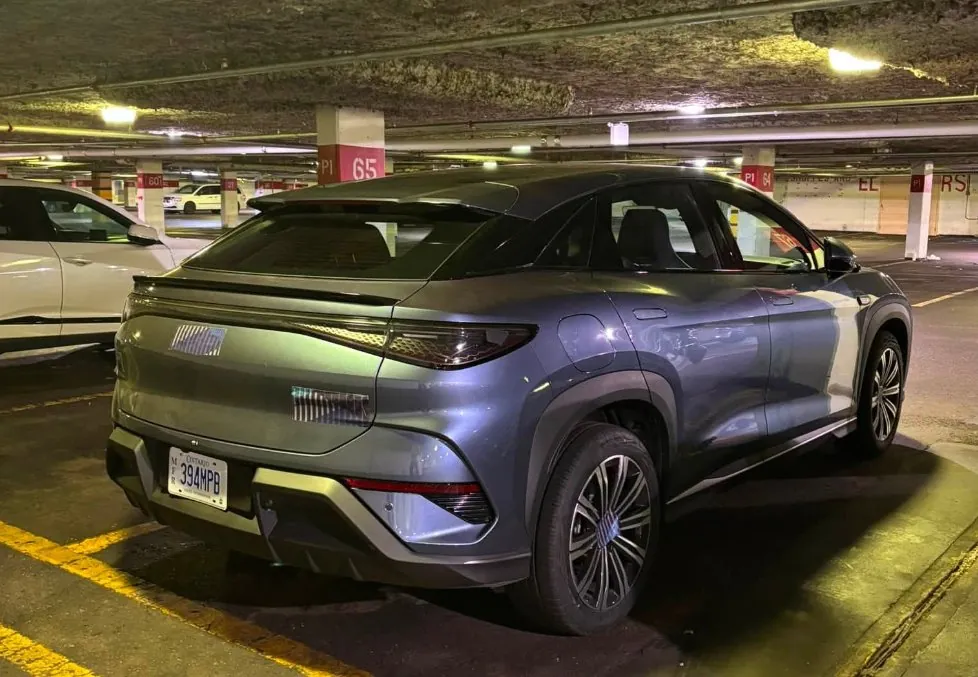
First BYD Sealion 7 Spied in Markham as Canadian Test Fleet Grows Beyond Its Import Clearance
5 min read
A BYD Sealion 7 test vehicle has been photographed in a Markham, Ontario parking garage — the first Canadian sighting of the export-market electric SUV. The Sealion 7 joins the Sealion 6 and Fangchengbao Ti7 in BYD's Canadian test fleet, none of which match the four models BYD has actually cleared to import under Transport Canada's Appendix G registry.
The Charge Brief
Get Canada’s EV transition in your inbox
One email a day. No spam, unsubscribe anytime.