
infrastructure
chargingCondo Apartment EV Charging in Canada 2026: Rules and Rights
Condo and apartment EV charging rights in Canada in 2026 — strata rules, landlord obligations, installation costs, and how residents can request chargers legally.
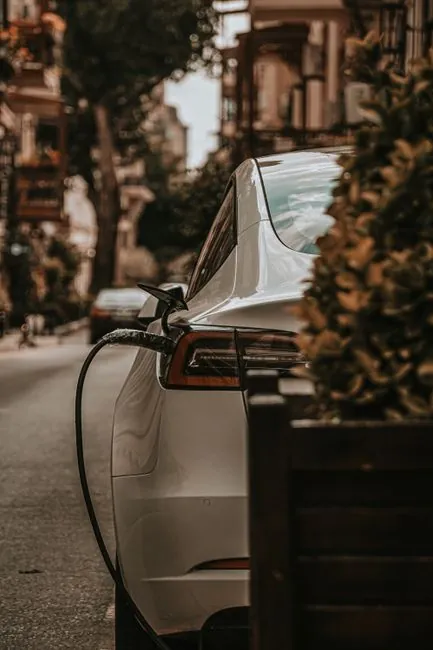
Condo and apartment EV charging in Canada improved in 2026 as provinces clarified strata and landlord obligations, but urban residents still face friction when requesting charger installation. Many buildings lack the electrical capacity for multiple Level 2 chargers, and strata boards or landlords can delay or deny requests without clear justification under older rules. In 2026, Canadian residents have stronger legal rights to request EV charging infrastructure, and understanding those rights — plus the costs and processes involved — makes successful installation far more likely.
Legal Rights by Province
British Columbia, Ontario, and Quebec have all introduced or updated legislation that protects EV charging requests in multi-unit residential buildings. BC’s strata regulations now define timelines for board response to charger requests and limit grounds for refusal. Ontario’s condominium regulations require boards to consider EV charging installations under reasonable terms and prevent arbitrary denial. Quebec’s rental housing rules require landlords to evaluate charger requests in good faith. Residents should document their requests in writing and reference applicable provincial legislation when boards or landlords delay responses.
Costs and Installation
EV charger installation in a condo or apartment can cost between 2,000 and 8,000 dollars depending on electrical capacity, wiring distance, and whether the building requires a dedicated meter or load management system. Some provincial rebates apply to multi-unit residential installations, which reduces the financial burden on individual residents or strata corporations. Owners who propose installation should obtain at least two quotes from certified electricians and present cost estimates to the board or landlord along with a clear maintenance and liability plan.
Electrical Capacity and Load Management
Older buildings often lack the electrical capacity to support multiple Level 2 chargers without service upgrades. A single 40-amp Level 2 charger draws approximately 9.6 kW, which is a meaningful addition to a building’s existing load. Strata corporations should commission electrical assessments before approving multiple charger requests, because simultaneous charging without load management can trigger panel overloads or demand charges that affect the entire building. Smart load management systems distribute available power between chargers and other building loads, which prevents overloads while allowing more residents to charge.
Practical Steps for Residents
Residents who want EV charging in their building should start by reviewing the strata or rental agreement for existing EV charging provisions, then submit a formal written request to the board or landlord with installation estimates and a proposed maintenance arrangement. If the request is denied without justification, residents should escalate through the dispute resolution process defined in provincial condominium or residential tenancy legislation. Successful EV charging installations usually require cooperation between residents, boards, electricians, and utilities, and residents who offer to share costs and maintenance responsibilities see higher approval rates.
Looking for EV deals, insurance, or financing? Check out our partner deals and offers.
If you found this guide helpful, use our Tesla referral link for free Supercharging credits on a new Tesla purchase or lease in Canada.

Next story · swipe left
Next story
Tesla's Canadian Sales Up 28% in Q2 as Model Y Nearly Doubles: The Numbers Behind the Rebound
5 min read
Industry estimates put Tesla's Canadian Q2 2026 sales at 5,765 vehicles, up 28.1% year-over-year, with Model Y volume up 98%. The rebound traces to Giga Berlin sourcing, a sub-$50,000 RWD trim that qualifies for the federal EVAP rebate, and tariff-proof import routing — but Model 3 sales fell 59%.
The Charge Brief
Get Canada’s EV transition in your inbox
One email a day. No spam, unsubscribe anytime.