
infrastructure
chargingEV Charging at Work Canada 2026: What Employers Need to Know
Workplace EV charging in Canada is becoming a hiring and retention benefit. Here is what employers should know about installation costs, utility rebates, and employee expectations in 2026.

Workplace EV charging has moved from a nice-to-have perk to an expected benefit for Canadian employers in knowledge sectors, tech, and progressive industries. Employees who own EVs need reliable daytime charging to complete their daily commute without home-charger dependence, and employers who provide charging gain an advantage in recruitment and retention. In 2026, the cost and complexity of workplace charging have decreased enough that medium-sized employers can consider installation seriously.
Installation Approaches
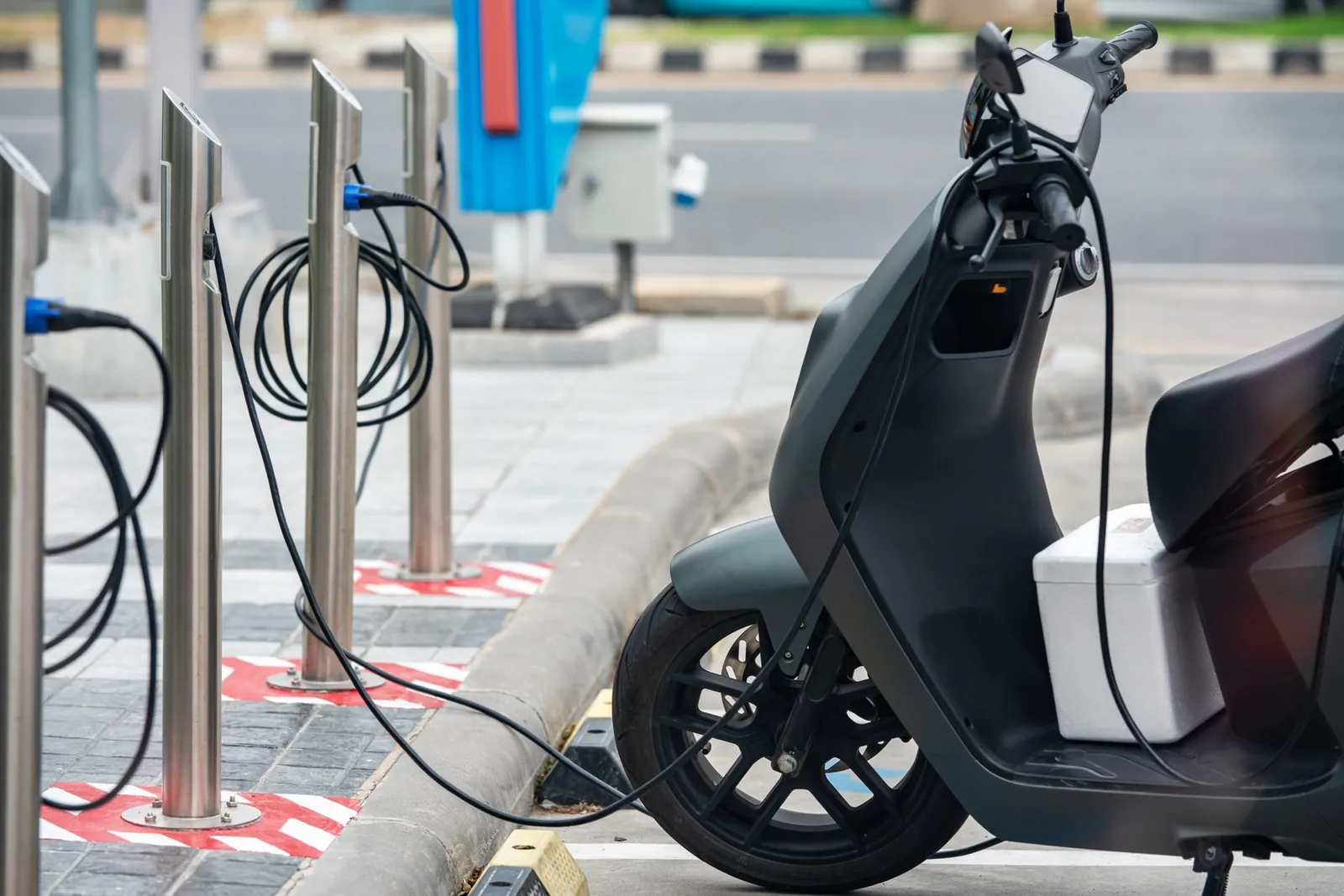
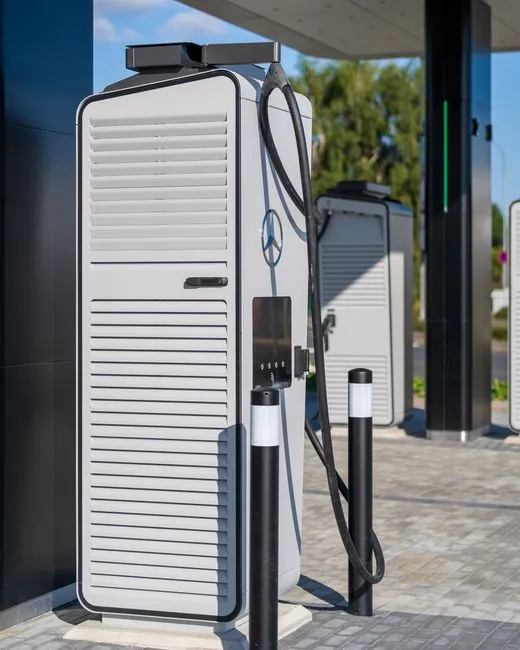
Employers can install Level 1, Level 2, or DC fast chargers depending on employee demand, parking layout, and electrical capacity. Level 1 charging from standard outlets is free but slow — useful for eight-hour workdays but insufficient for employees with long commutes or short stays. Level 2 charging delivers practical range during a standard shift and is the minimum most EV-driving employees expect. DC fast charging at workplaces is rare and usually unnecessary unless the facility serves fleet vehicles or public users.
Cost and Utility Support
Level 2 charger installation costs for employers range from $1,500 to $5,000 per unit depending on distance from the panel, wiring requirements, and mounting location. Shared networks reduce cost per charger by allowing multiple vehicles to use one station over the course of a day. Many Canadian utilities offer commercial charger rebates that offset 50 to 100 percent of installation costs, especially for workplaces in high-demand employment areas. Employers should contact their utility early to understand available programs and application timelines.
Management and Access
Workplace chargers need management software to allocate access, track usage, and collect payments if charging is not free. Networked chargers allow employers to set time limits, prioritize visitors or clients, and monitor energy consumption for sustainability reporting. In Canada, most employers offer free Level 2 charging as an employee benefit, but some recoup electricity costs through payroll deductions or parking fees. Transparency about charging costs and access rules prevents disputes and ensures the program supports rather than divides staff.
EV-Friendly Workplace Certification
Some Canadian organizations offer EV-friendly workplace recognition programs that help employers market their sustainability efforts to clients and recruits. These certifications typically require a minimum number of Level 2 chargers, visible signage, and employee communication about charging availability. For companies pursuing environmental or social governance goals, workplace EV charging provides measurable impact and a visible commitment to low-carbon transportation.
Looking for EV deals, insurance, or financing? Check out our partner deals and offers.
If you found this guide helpful, use our Tesla referral link for free Supercharging credits on a new Tesla purchase or lease in Canada.

Next story · swipe left
Next story
Quebec Graphite Mine Restart Delayed — a Setback for Canada's EV Battery Supply Chain
5 min read
Northern Graphite has postponed the restart of Lac des Îles, North America's only commercial flake graphite mine, after Quebec suspended its mining lease over a restoration-payment dispute. The company had just $200,000 in cash.
The Charge Brief
Get Canada’s EV transition in your inbox
One email a day. No spam, unsubscribe anytime.