
Ontario's New EV Charging Rule Changes for Landlords: What Changed and Who It Affects
Ontario's updated EV charging rules for landlords and condo boards — what property owners must provide, tenant rights, and the new requirements for multi-unit buildings.
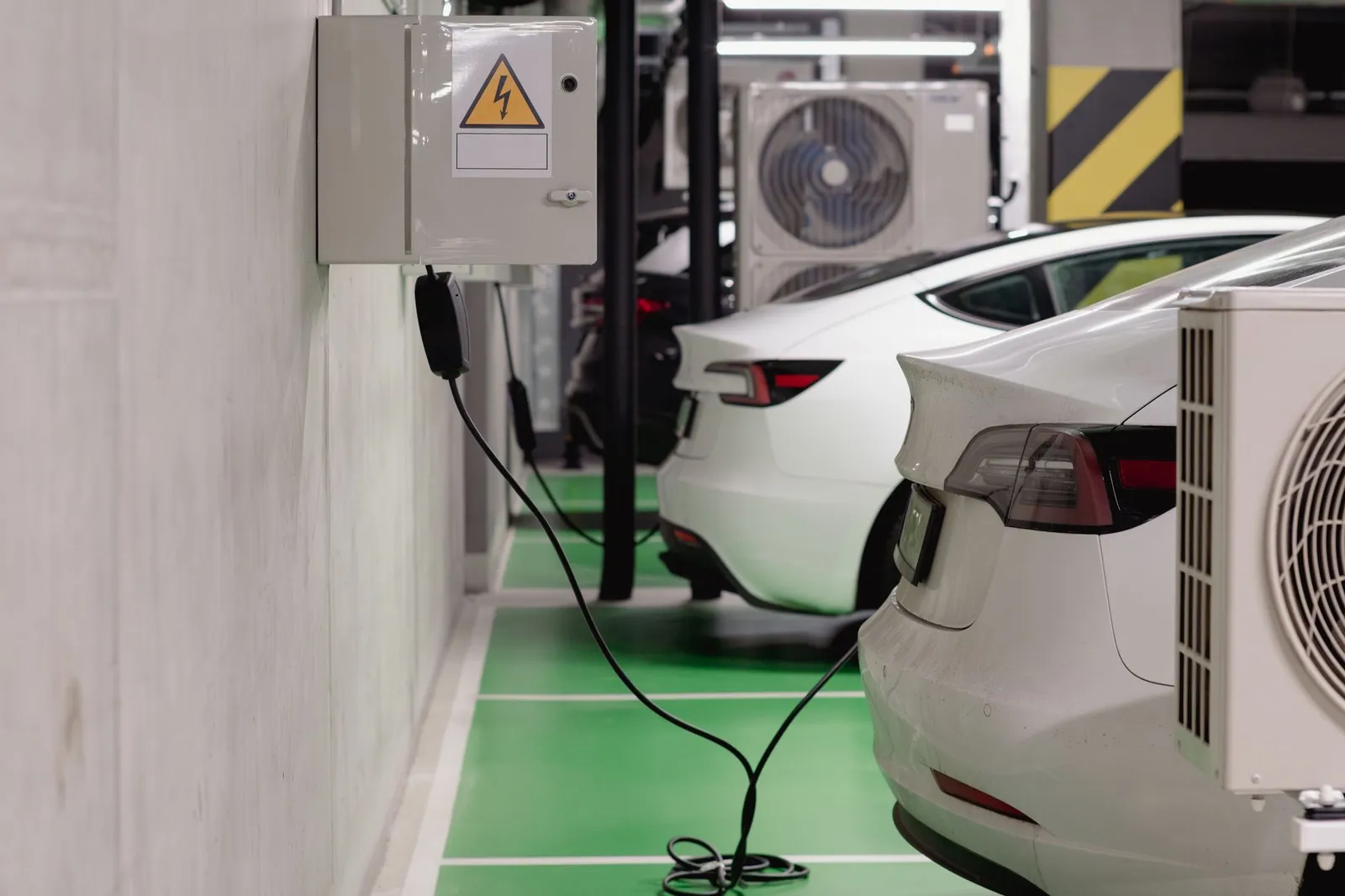
Ontario has updated its electric vehicle charging requirements for landlords, condo corporations, and property managers — and the changes materially affect how multi-unit buildings handle EV charging requests. The new rules clarify tenant and owner rights, establish timelines for response, and create minimum standards for installation approvals. Here's what changed and what it means for owners, landlords, and renters.
The right-to-plug framework
Ontario's legislation now explicitly gives residents the right to request an EV charger installation in their parking space or on property they exclusively use. Condo corporations and landlords can't refuse without a valid reason, and they can't impose unreasonable conditions. The valid reasons are limited to genuine safety concerns, insufficient electrical capacity that can't be resolved through a panel upgrade, or structural limitations in the parking facility. "We don't want EV charging in the building" is no longer a defensible reason.
Timeline requirements
Landlords and condo boards must respond to a formal EV charger installation request within a specified timeframe — typically 60–90 days — and provide a written response that either approves the request, approves it with reasonable conditions, or denies it with a documented reason. The timeline exists to prevent boards from delaying indefinitely, which was a common complaint under the previous framework.
Who pays for installation
The requesting resident typically pays for the charger hardware and the installation labor, but the condo corporation or landlord may be required to contribute to electrical infrastructure upgrades if the building's panel doesn't have capacity. Some Ontario municipalities offer rebates that offset a portion of the cost for multi-unit building charging. The legislation doesn't mandate free installation — it mandates fair process and reasonable access.
Condo-specific considerations
Condo boards must now consider EV charging requests in their standard approval process rather than treating them as special cases requiring a separate vote in many situations. Insurance requirements are clarified — the installing owner must carry appropriate liability coverage, and the corporation can require proof of insurance before approving work. Metering arrangements must be transparent so the building's common-area electricity costs aren't subsidizing individual charging.
Tenant protections
Rental tenants who request EV charging have similar rights — a landlord can't evict or penalize a tenant for making a charger installation request. Tenants who install a charger with landlord approval must remove it and restore the parking space at the end of the lease unless they negotiate a different arrangement. The rules protect the request, not the installation permanently.
The bottom line
Ontario's new EV charging rules level the playing field for condo and apartment residents. If you live in a multi-unit building and want an EV charger, you now have a clear process, a timeline, and legal backing. Submit your request in writing, ask for a written response, and reference the legislation if the board stalls. Most objections resolve once boards understand the rules — the legislation was designed to reduce friction, not create litigation.
Looking for EV deals, insurance, or financing? Check out our partner deals and offers.
If you found this guide helpful, use our Tesla referral link for free Supercharging credits on a new Tesla purchase or lease in Canada.
Next story · swipe left
Next story
StatsCan: Zero-Emission Vehicle Market Share Grew 27.7% in 2025, Reaching 3.5% of Light-Duty Fleet
4 min read
Statistics Canada reports 875,001 zero-emission vehicles on Canadian roads by end of 2025 — a 27.7% year-over-year increase. Quebec and B.C. lead at 6.7% and 5.9% ZEV share respectively.
The Charge Brief
Get Canada’s EV transition in your inbox
One email a day. No spam, unsubscribe anytime.