

vehicles
Waymo's Houston Robotaxi Launch Shows Canada What It's Missing
Waymo now runs fully driverless rides for the general public in Houston. A look at what the service actually offers — and why nothing like it exists in Canada yet.
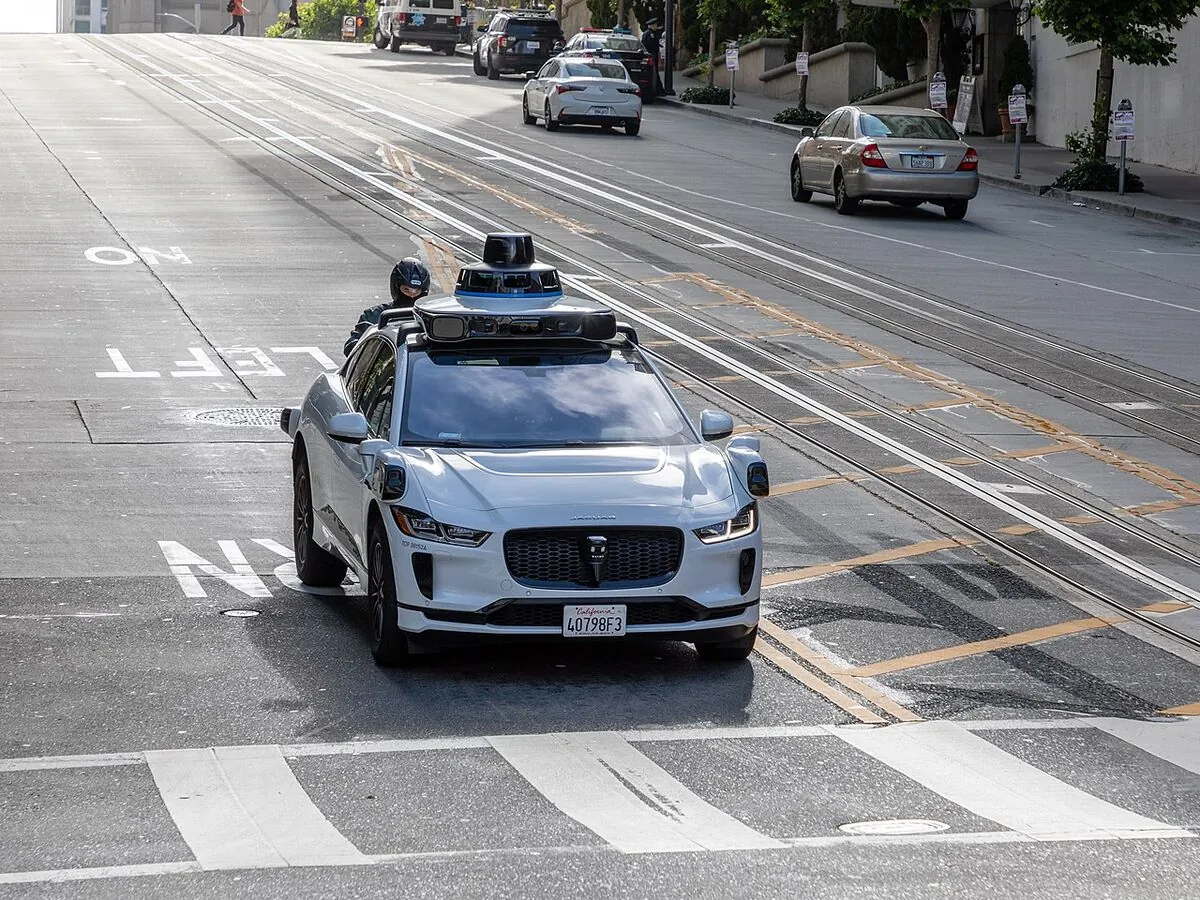
Waymo has quietly crossed a line in Houston: anyone with the app can now hail a car with no human inside it, any hour of the day, across a service zone that covers downtown, Midtown, the Texas Medical Center and NRG Park. Six months after opening a public beta there, the Alphabet-owned company has removed the training wheels entirely.
What makes this launch notable isn't the technology — Waymo has been running driverless rides in Phoenix and San Francisco for years. It's the scale and the normalcy. Houston is a sprawling, car-first Sun Belt metropolis with brutal summer heat and torrential storms, exactly the kind of messy real-world environment that was supposed to break robotaxis. Instead, the fleet just runs, monitored remotely by safety staff who watch but don't drive.
Riders open the Waymo One app, get matched with a vehicle, and are driven by the machine alone. Fares have settled to roughly match Uber and Lyft after some beta-phase adjustments. The cars also connect to Houston's transit stops in the app, letting a rider stitch together a light-rail leg and a robotaxi leg in one trip — a small feature that hints at how autonomy and public transit might interlock rather than compete.
For Canadians, the interesting part is the absence. There is no equivalent service anywhere in Canada — no city, no province, no pilot with paying members of the public. Ontario's automated-vehicle framework remains focused on testing with safety drivers; Quebec has run research pilots. The gap isn't really technological. It's regulatory appetite and market size: no operator has been willing to shoulder the approval process for a Canadian city when the American pipeline of Phoenix, San Francisco, Los Angeles, Austin and now Houston offers faster growth.
That could change quickly. The ingredients Canada would need are all visible in Houston: a geofenced zone, an app, a remote-monitoring operation, and a regulator willing to let a company charge the public for driverless rides. When one province says yes — Ontario is the obvious first candidate — the service pattern will likely look exactly like this: quiet beta, then a sudden announcement that anyone can ride.
Until then, Canadian travelers to Houston, Phoenix or the Bay Area can try the future for the price of an ordinary taxi fare. And Canadian policymakers have a live case study an hour's flight from Toronto explaining exactly what they're being asked to approve.
Looking for EV deals, insurance, or financing? Check out our partner deals and offers.
If you found this guide helpful, use our Tesla referral link for free Supercharging credits on a new Tesla purchase or lease in Canada.

Next story · swipe left
Next story
How EVs Help Canada Hit Its 2035 Climate Targets
6 min read
Canada's 2035 climate targets explained — where transport emissions fit, how EV adoption moves the needle, and what the mandate changes mean for the plan.
The Charge Brief
Get Canada’s EV transition in your inbox
One email a day. No spam, unsubscribe anytime.