
technology
batteryCATL 1000km Battery Cell and the Canadian Winter Test That Matters
CATL's 1000km battery cell technology and the Canadian winter testing that proves whether extreme-range EV batteries can survive real cold-weather ownership in Canada.
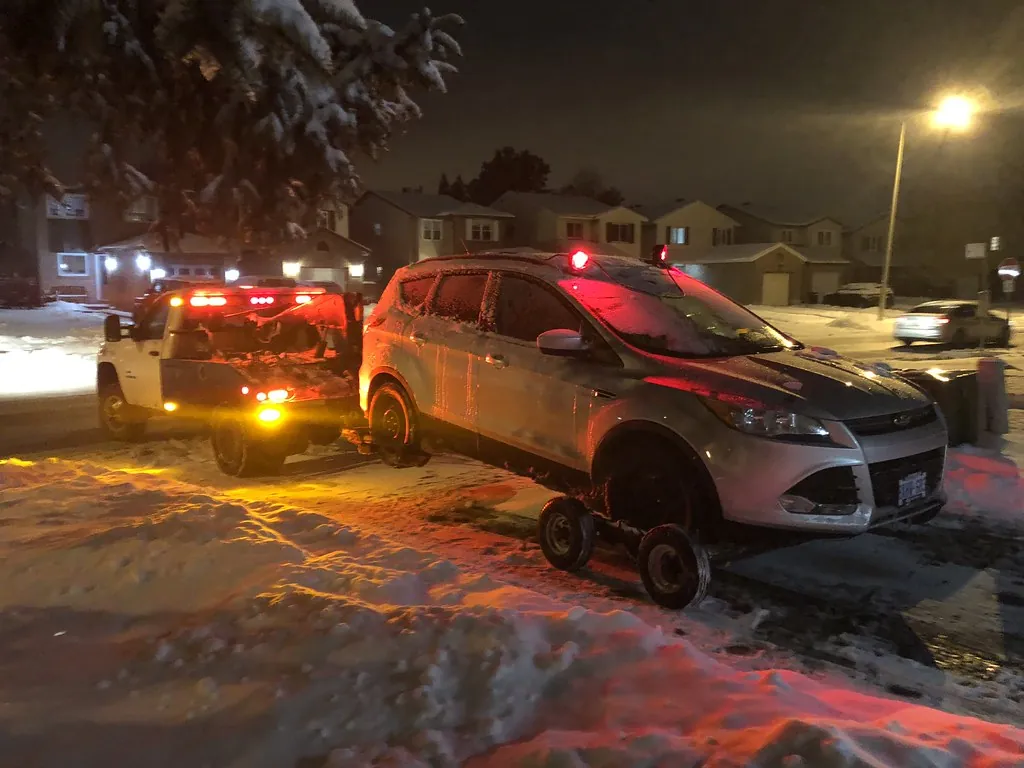
CATL’s 1000 km battery cell technology represents a significant milestone in EV battery development, promising enough range to complete most Canadian intercity trips without charging. The headline range figure is impressive, but Canadian winter testing reveals whether that promise holds under the temperature extremes that define real EV ownership in Canada. In 2026, independent cold-weather testing of long-range battery cells shows that thermal management, preconditioning strategy, and charging behaviour matter more than raw capacity numbers when evaluating batteries for Canadian buyers.
What 1000 km Means in Practice
A 1000 km battery cell delivers exceptional range in moderate temperatures and efficient driving conditions, but Canadian buyers should interpret the figure as a best-case combined-cycle estimate rather than a winter highway guarantee. Real-world highway driving at 110 km/h with cabin heating in -20°C conditions typically reduces usable range by 25 to 35 percent compared to combined figures, which means a 1000 km vehicle may deliver 650 to 750 km of practical winter highway range. That is still sufficient for most Canadian routes, but buyers should understand the gap between marketing range and winter reality.
Thermal Management and Canadian Winters
Battery cells that achieve high energy density often require sophisticated thermal management systems to maintain safe operating temperatures in extreme cold. CATL’s cell designs incorporate improved low-temperature electrolyte chemistry that reduces capacity fade in sub-zero conditions, but vehicle-level thermal management — including heat pumps, battery blankets, and preconditioning routines — determines whether that chemistry advantage reaches the driver. Canadian buyers should prioritise vehicles with factory-installed thermal management systems over vehicles that rely on passive cooling alone, because battery longevity and winter range depend heavily on temperature control.
Charging Speed in Cold Weather
High-capacity battery cells can charge slower in cold weather because battery chemical reactions slow at low temperatures, which extends DC fast-charging session times. Preconditioning the battery before reaching a charger raises the pack temperature and restores faster charging speeds, which is why modern EVs with route-based preconditioning outperform older designs on winter road trips. Buyers who consider high-range batteries should verify that their chosen vehicle includes battery preconditioning as a standard or available feature, because the absence of preconditioning turns long-range batteries into slow-charging batteries in winter.
Market Availability
CATL supplies battery cells to multiple global automakers, but Canadian buyers see CATL technology in specific models rather than across entire lineups. Vehicles that use CATL cells often highlight range figures prominently in marketing, but buyers should verify real-world winter range through owner reviews and independent testing rather than relying on manufacturer combined-cycle estimates. As CATL expands its cell formats and partnerships, Canadian buyers will see more high-range EV options in the compact and mid-size segments where range anxiety currently limits adoption.
Looking for EV deals, insurance, or financing? Check out our partner deals and offers.
If you found this guide helpful, use our Tesla referral link for free Supercharging credits on a new Tesla purchase or lease in Canada.
Next story · swipe left
Next story
Lucid Opens Orders for the 2026 Gravity Touring in Canada — From $113,500, 542 km Range, Deliveries Early 2027
4 min read
Lucid has opened Canadian orders for its most affordable electric SUV trim. The Gravity Touring starts at $113,500 — $21,000 below the Grand Touring — with a 542 km NRCan range, 225 kW native NACS Supercharging and an 89 kWh battery. Canadian deliveries are expected early next year.
The Charge Brief
Get Canada’s EV transition in your inbox
One email a day. No spam, unsubscribe anytime.