
vehicles
rangeEV Real World Range Canada 2026: Tests and Data
EV real-world range in Canada tested on highways, in winter, and in city traffic — how far modern EVs actually go and which models live up to their EPA or WLTP numbers.

Real-world EV range in Canada differs from WLTP or EPA estimates because of temperature, elevation, speed, and cabin climate use. In 2026, long-term testing across Ontario, Quebec, Alberta, and BC shows that most modern EVs deliver 80 to 95 percent of their combined range in moderate weather, with winter results dropping to 60 to 75 percent depending on model and thermal management. Understanding these patterns helps buyers choose vehicles that match their actual driving conditions rather than idealised test figures.
Highway Testing
Highway range is the most relevant metric for Canadian drivers who travel between cities or commute long distances. At 110 to 120 km/h, aerodynamic drag increases significantly and reduces usable range compared to city driving. Vehicles with efficient thermal management systems and heat pumps retain more highway range in cold weather than models relying on resistive heating alone. Real-world highway tests from Toronto to Montreal and Vancouver to Calgary show that most modern EVs complete these routes with one intermediate fast-charging stop.
Winter Range Testing
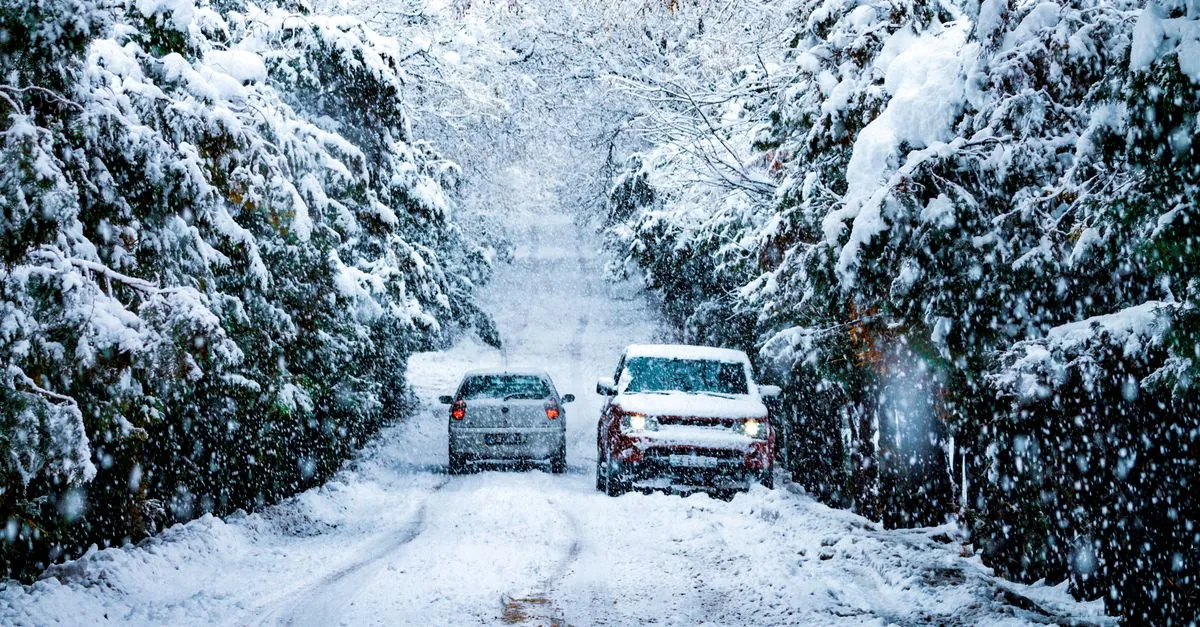
Sustained -20°C conditions reduce range enough that many Canadian drivers need to recharge more frequently in winter than in summer. Heat pump-equipped vehicles typically retain 70 to 80 percent of combined range in cold weather, while models without heat pumps may drop below 65 percent. Preconditioning the battery before highway driving restores some efficiency, and cabin heating settings affect range more than most owners realize. Drivers should plan winter trips with a 20 to 30 percent range buffer.
City Driving Efficiency
City driving is where EVs excel. Stop-and-go traffic allows regenerative braking to recover energy, and lower speeds reduce aerodynamic drag. Most modern EVs exceed their combined range estimates in stop-and-go urban conditions, especially when temperatures are moderate. Winter city driving is less efficient because cabin heating demand is constant, but short trips under 20 km are still practical for most EVs even in deep cold.
Model Comparisons
In 2026 Canadian testing, the Tesla Model Y, Hyundai Ioniq 5, and Kia EV6 consistently rank at or near the top for real-world highway efficiency. Larger three-row SUVs and trucks sacrifice range for space and capability, which is expected but should be factored into purchase decisions. Buyers who regularly drive long distances should prioritize models with efficient thermal management, high DC fast-charging rates, and proven cold-weather performance in owner reviews.
Looking for EV deals, insurance, or financing? Check out our partner deals and offers.
If you found this guide helpful, use our Tesla referral link for free Supercharging credits on a new Tesla purchase or lease in Canada.
Next story · swipe left
Next story
Tesla Now Accepts Cybertruck Trade-Ins in Canada — But Offers Are Low
4 min read
Tesla has started accepting Cybertruck trade-ins in Canada after previously declining them. Early offers of $86,600–$88,400 for Foundation Series AWD trucks sit well below competing dealer bids of $103K+ and wholesale auction results of $104,700.
The Charge Brief
Get Canada’s EV transition in your inbox
One email a day. No spam, unsubscribe anytime.