
technology
batteryEV Battery Warranty in Canada: What's Actually Covered
EV battery warranty coverage in Canada in 2026 — what automakers promise, what voids coverage, and how to protect your battery investment over the long term.
EV battery warranties in Canada have matured significantly since 2020, with most automakers now offering eight-year, 160,000 km coverage that protects against capacity loss beyond a minimum threshold. Understanding the fine print is important because warranty claims can be denied for behaviours that owners consider normal, such as frequent DC fast charging, extreme temperature exposure, or using aftermarket charging equipment. In 2026, buyers should read battery warranty terms carefully before purchasing and keep detailed service records to support any future claims.
Standard Warranty Terms
Most Canadian EV battery warranties guarantee that the pack will retain at least 70 percent of its original capacity during the warranty period, which typically spans eight years or 160,000 kilometres, whichever comes first. Some manufacturers offer longer warranties or higher capacity retention thresholds, which can be a deciding factor for buyers who plan to keep their vehicles for a decade or more. Buyers should compare warranty terms across models because battery replacement costs remain high enough that warranty coverage significantly affects resale value and long-term ownership confidence.
What Can Void Coverage
Battery warranties exclude damage caused by improper charging practices, extreme temperature exposure, physical impact, or unauthorised modifications. Owners who consistently charge only to 100 percent and then leave the battery at full charge for extended periods may see reduced capacity that is not covered because the behaviour exceeds normal use parameters. Using non-approved charging equipment or modifying the battery cooling system can void warranty coverage entirely, which means buyers should stick to manufacturer-recommended charging accessories and avoid aftermarket battery management modifications.
Degradation Expectations
Normal battery degradation in Canada is approximately 2 to 4 percent per year, depending on climate, charging habits, and battery chemistry. Owners who charge at home overnight, avoid sustained high temperatures, and precondition before DC fast charging typically see degradation at the lower end of that range. Cold weather does not permanently damage batteries, but repeated deep discharge in sub-zero conditions without preconditioning can accelerate capacity loss over time. Understanding these patterns helps owners set realistic expectations and avoid unnecessary warranty claims.
Warranty Claims Process
If an EV battery shows unexpected capacity loss within the warranty period, owners should document the issue with photos, charging logs, and dealer inspection reports before filing a claim. Dealers perform diagnostic tests that quantify actual capacity against the warranty threshold, and some claims are resolved through software updates or battery balancing procedures rather than full pack replacement. Owners who keep detailed service records and avoid behaviours that manufacturers explicitly exclude in warranty documents improve their chances of successful claims.
Looking for EV deals, insurance, or financing? Check out our partner deals and offers.
If you found this guide helpful, use our Tesla referral link for free Supercharging credits on a new Tesla purchase or lease in Canada.
Next story · swipe left
Next story
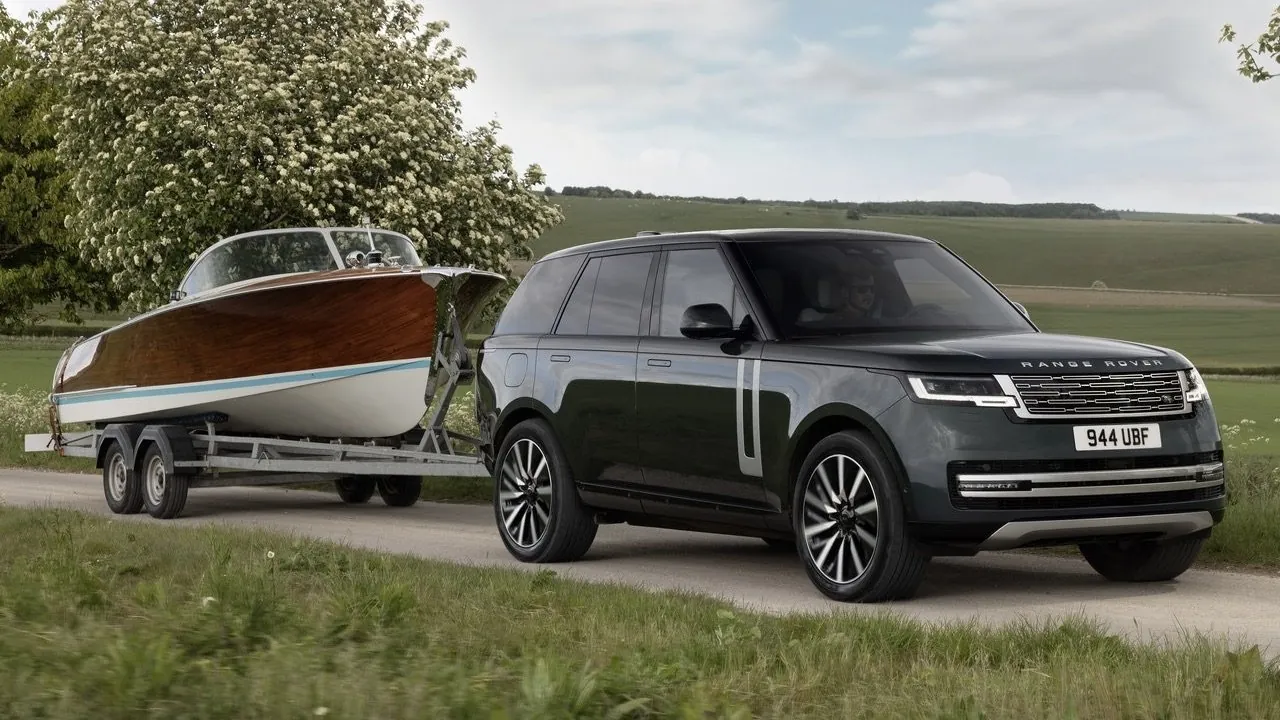
Range Rover Electric Price in Canada: $200,800, 535 km Range, NACS Port
4 min read
The 2027 Range Rover Electric arrives in Canada at $200,800 in Autobiography trim — 542 hp, 627 lb-ft, a 118.5-kWh 800-volt battery, 535 km of EPA range and a native NACS port for Tesla Supercharger access.
The Charge Brief
Get Canada’s EV transition in your inbox
One email a day. No spam, unsubscribe anytime.