
technology
batteryGeely prepares revolutionary 500 Wh/kg solid-state EV battery that could beat diesel
Geely is making waves in the electric vehicle (EV) industry with its announcement of a next-generation solid-state battery that could redefine energy…
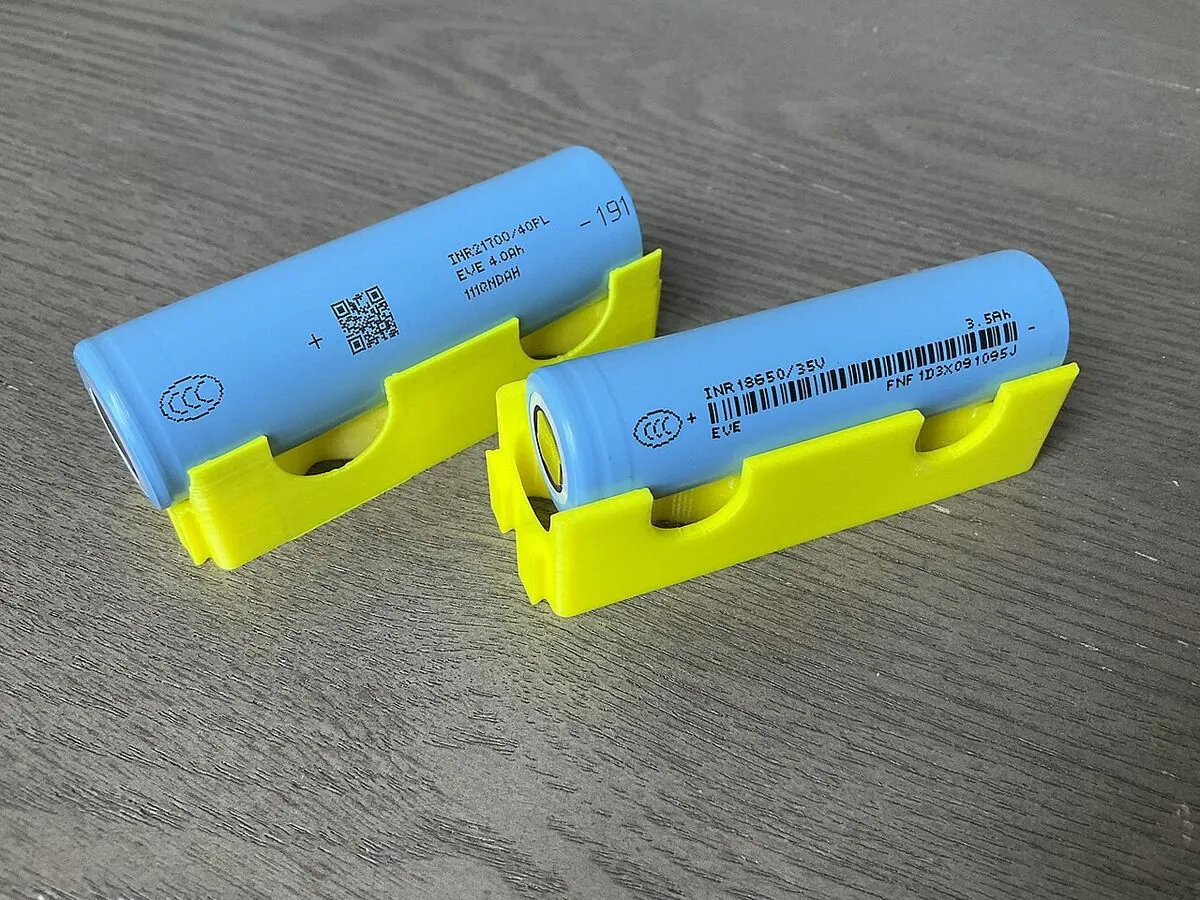
Geely is making waves in the electric vehicle (EV) industry with its announcement of a next-generation solid-state battery that could redefine energy density standards. According to reports from Electrek, the Chinese automaker’s upcoming battery technology is projected to achieve an impressive 500 Wh/kg, a figure that would surpass the energy density of diesel fuel and potentially double the range of current EV batteries.
This development comes as Geely accelerates real-world validation of its solid-state cells, with a pilot rollout slated for 2027. If successful, this breakthrough could significantly extend the driving range of electric vehicles, addressing one of the most persistent concerns for Canadian EV adopters—range anxiety, particularly in colder climates and vast regions like the Prairies or Northern Canada.
A Game-Changer for Energy Density
Current lithium-ion batteries in most EVs, including Tesla’s, typically operate in the 250–350 Wh/kg range. Geely’s proposed 500 Wh/kg solid-state battery would not only outperform existing EV batteries but also rival the energy density of diesel fuel, which hovers around 12–15 kWh per gallon (or roughly 3.5–4.5 kWh per litre). This could translate to EVs achieving 1,000+ km of range on a single charge, a major leap forward for long-distance travel in Canada.
Why This Matters for Canada
For Canadian drivers, especially those in rural or remote areas, battery range remains a key barrier to EV adoption. A 500 Wh/kg battery could make electric vehicles far more viable for cross-country road trips, such as driving from Toronto to Vancouver with fewer charging stops. Additionally, solid-state batteries are expected to offer faster charging times, improved safety, and longer lifespans—all critical factors for Canada’s diverse driving conditions.
Geely’s Timeline and Industry Impact
Geely, which owns brands like Volvo and Polestar, is pushing for a 2027 pilot launch, meaning Canadian consumers may see this technology in production vehicles by the end of the decade. If successful, this could pressure competitors like Tesla, which has its own solid-state battery research, to accelerate development.
However, challenges remain. Solid-state batteries have faced hurdles in scalability, cost, and durability in extreme temperatures—a particular concern for Canada’s harsh winters. Geely’s real-world testing will be crucial in proving the technology’s viability.
What’s Next?
As the EV market continues to evolve, advancements like Geely’s solid-state battery could be a turning point for adoption in Canada. With federal incentives and provincial rebates making EVs more affordable, a breakthrough in battery tech could further tip the scales in favor of electrification.
For now, Canadian EV enthusiasts will be watching closely as Geely progresses toward its 2027 pilot, hoping this innovation delivers on its promise of diesel-beating energy density and long-range capability.
Looking for EV deals, insurance, or financing? Check out our partner deals and offers.
If you found this guide helpful, use our Tesla referral link for free Supercharging credits on a new Tesla purchase or lease in Canada.
Next story · swipe left
Next story
FortisBC Adds 180 kW Fast Chargers in Kelowna and Rock Creek
3 min read
FortisBC turned on three new high-power EV charging stations in the Okanagan and Boundary — two 180 kW sites in Kelowna and a 150 kW unit at Rock Creek — bringing its Southern Interior network to 45 fast chargers across 22 sites.
The Charge Brief
Get Canada’s EV transition in your inbox
One email a day. No spam, unsubscribe anytime.