
vehicles
powerToyota Recalls About 10,000 C-HR EVs Over Power-Loss Risk: Regenerative Braking Can Shut Down the Drive System
Toyota has issued a North American safety recall for roughly 10,000 model-year 2026 C-HR electric crossovers. A software glitch in the regenerative braking system can overcharge a full or nearly-full battery, shutting down the electric drive system and causing a loss of power while driving. Fix is a free battery ECU software update at dealers.
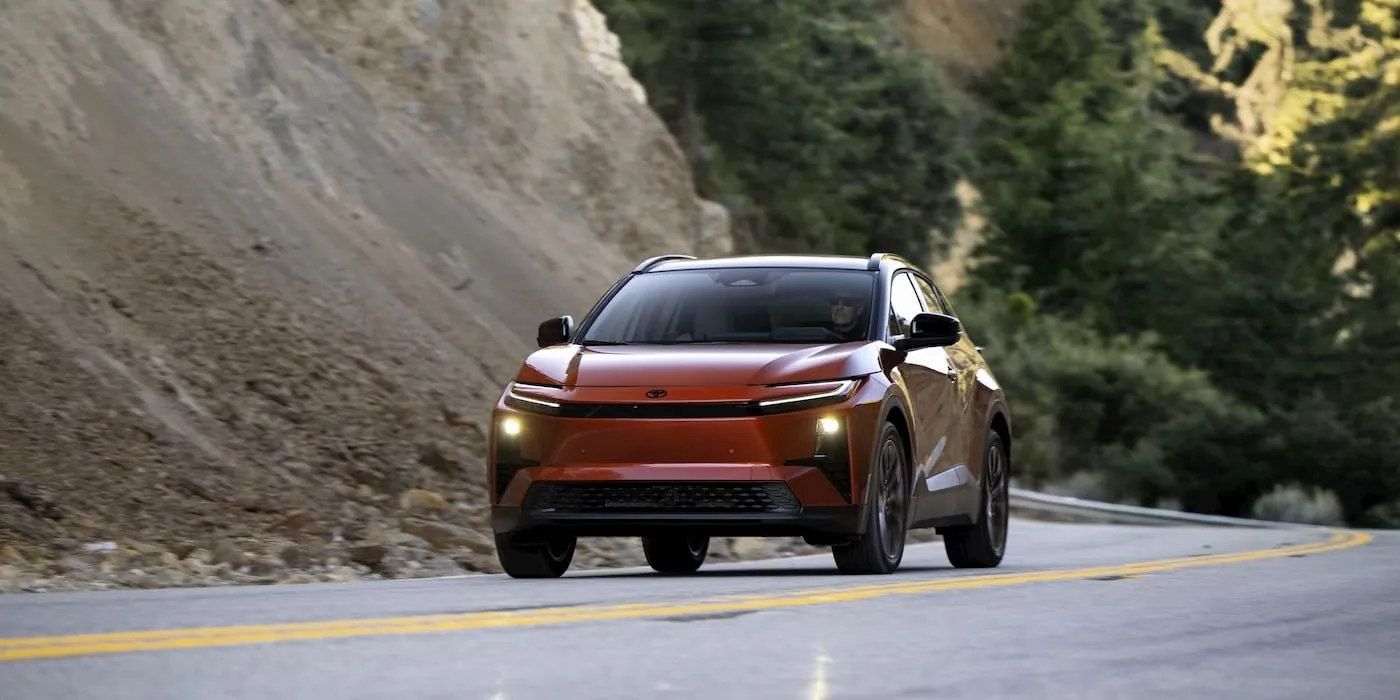
Toyota has issued a safety recall covering roughly 10,000 model-year 2026 C-HR electric crossovers in North America — the electric crossover's first recall since it went on sale earlier this year — over a software glitch that can cause the vehicle to lose power while driving.
The problem sits in the regenerative braking system. Under certain conditions — when the battery is fully charged or at a high state of charge — regenerative braking can feed more energy back into the pack than it can accept and effectively overcharge it, Electrek reports. When that happens, the electric drive system can shut down, causing a loss of power while the vehicle is in motion.
What affected Canadian owners should do
- The fix: a battery ECU (electronic control unit) software update, performed free of charge at Toyota dealerships.
- Owner notifications: Toyota plans to notify owners by early November 2026.
- Check your VIN: owners can visit Toyota Canada's recall page or Toyota.com/recall and enter their VIN or licence plate to see whether their vehicle is involved.
- Contact: Toyota's Brand Engagement Center can be reached at 1-800-331-4331.
Only the 2026 model year is affected. The recall had not yet been posted to the NHTSA recall database at the time of the announcement, so the exact build dates and unit counts by country were still limited — details typically firm up once the filing appears.
Why a full battery can trigger a drive shutdown
The failure mode is a known quirk of regenerative braking physics. An EV recovers energy by using its motor as a generator when decelerating, but a battery at or near 100 per cent state of charge has little headroom to absorb that energy. Well-engineered software blends regenerative braking out and falls back on friction brakes as the pack fills. If the C-HR's battery ECU mishandles that handoff at high charge, the resulting overcharge protection can cascade into a drive-system shutdown — not a fire risk, but a genuine traffic-safety hazard if it happens mid-pass or mid-highway.
The C-HR's Canadian context
The recall touches one of Toyota's three electric SUVs now sold in North America, alongside the updated bZ and the bZ Woodland. In Canada, Toyota priced the 2027 C-HR from $47,972 with fees included when it put the new lineup on sale in August, positioning it as the brand's entry EV under the bZ ($45,985 before fees for the standard XLE FWD) and the bZ Woodland at $62,987.
Canadian C-HR owners in cold-weather climates may find the workaround familiar: the shutdown condition is tied to a full or nearly-full battery, so owners who charge to 100 per cent at home overnight and immediately drive with heavy regen (down a driveway hill, say, or in stop-and-go traffic) are closest to the trigger condition. Until the software update is applied, charging to 80 or 90 per cent — which many Canadian EV owners already do for battery longevity in winter — keeps the pack away from the vulnerable state of charge.
Looking for EV deals, insurance, or financing? Check out our partner deals and offers.
If you found this guide helpful, use our Tesla referral link for free Supercharging credits on a new Tesla purchase or lease in Canada.
Next story · swipe left
Next story
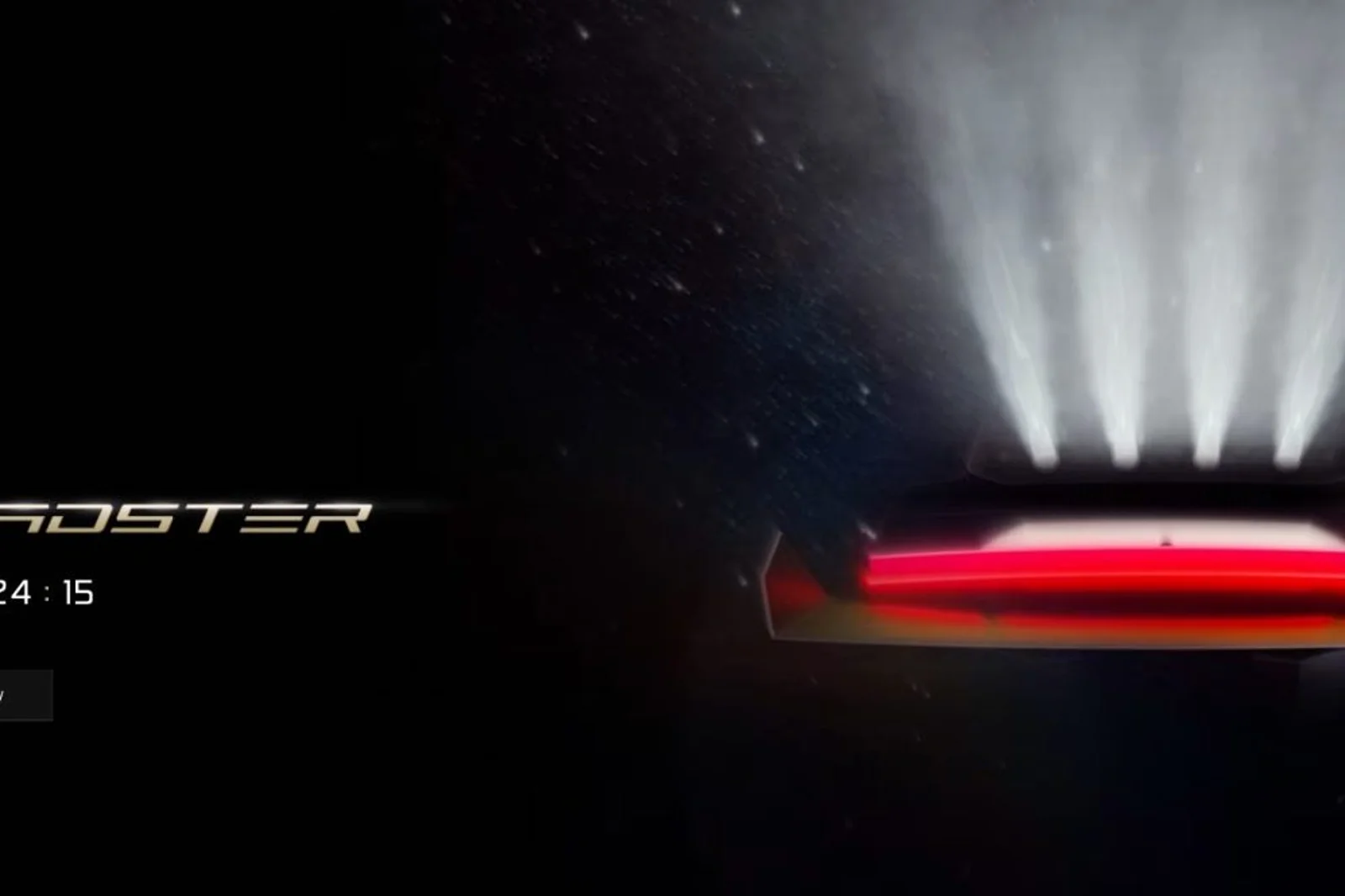
Tesla Reopens Roadster Reservations in Canada Ahead of October 1 Reveal
5 min read
Tesla has reopened reservations for the next-generation Roadster in Canada and the U.S., requiring a $6,000 refundable deposit followed by a $58,000 wire transfer, just before the October 1 reveal.
The Charge Brief
Get Canada’s EV transition in your inbox
One email a day. No spam, unsubscribe anytime.