
industry
salesZEV Market Share Flat at 10.7% in Q2 as Canadian Sales Rebound: StatsCan
Statistics Canada's Q2 2026 data shows 58,811 zero-emission vehicles registered April-June — up in units but stuck at 10.7% market share. B.C. leads at 18.7%, Quebec 17.8%, Ontario 8.2%. Here is the provincial breakdown and what the plateau means for buyers.
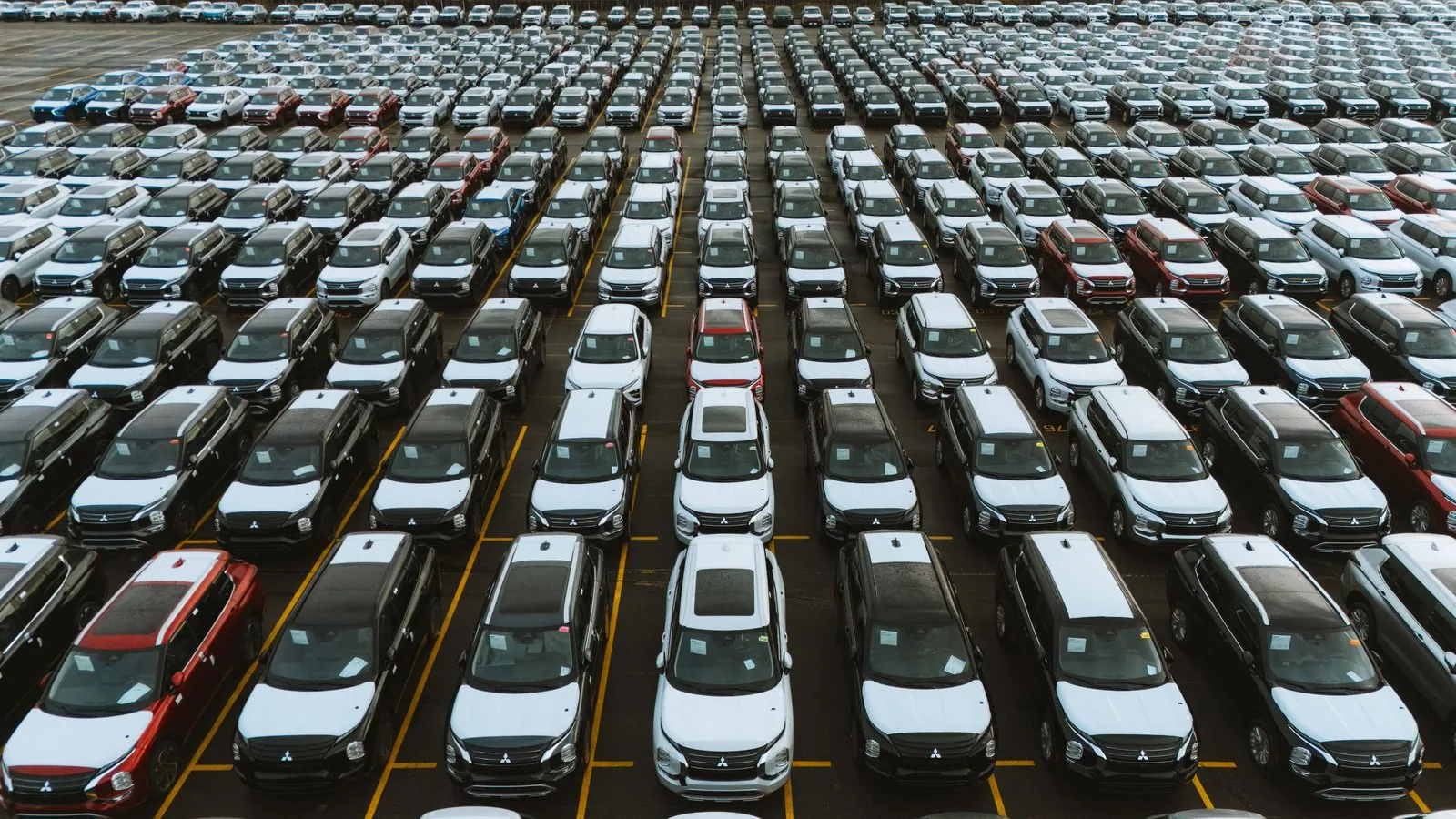
Canadians registered 58,811 zero-emission vehicles in the second quarter of 2026, but the EV share of the market barely moved: 10.7 per cent, versus 10.8 per cent in the first quarter, according to new vehicle registration data published by Statistics Canada.
The flat share came inside a big sales rebound. Total new-vehicle registrations hit 547,673 units from April to June — a 37.7 per cent jump from the 397,601 registered in Q1 and nearly level with the 541,896 recorded in Q2 2025. In other words, EV sales grew in absolute numbers, but the overall market grew just as fast.
The battery-electric and plug-in hybrid split
- Battery-electric vehicles: 40,585 units, or 7.4 per cent of the market — a tick down from 7.5 per cent in Q1.
- Plug-in hybrids: 18,226 units, or 3.3 per cent — identical to Q1.
- A year ago, ZEV share stood at just 8.6 per cent in Q2 2025, shortly after the original federal iZEV rebates ended.
StatsCan classifies both BEVs and PHEVs as "zero-emission vehicles," a grouping some outlets, including Electric Autonomy, note differs from a stricter combustion-free definition — but the statistical agency's framing is the one used for the official tally.
Provincial breakdown: where EVs actually sell
| Region | Q2 sales | Q2 ZEVs | ZEV share | Q1 share |
|---|---|---|---|---|
| Canada | 547,673 | 58,811 | 10.7% | 10.8% |
| B.C. | 61,544 | 11,493 | 18.7% | 19.0% |
| Quebec | 133,317 | 23,701 | 17.8% | 17.6% |
| Ontario | 208,445 | 17,142 | 8.2% | 8.2% |
| Manitoba | 16,201 | 977 | 6.0% | 7.7% |
| P.E.I. | 2,173 | 140 | 6.4% | 7.5% |
| N.S. | 18,026 | 870 | 4.8% | 5.4% |
| N.B. | 12,742 | 677 | 5.3% | 4.9% |
| Saskatchewan | 15,813 | 416 | 2.6% | 2.9% |
| Yukon | 694 | 19 | 2.7% | 6.6% |
British Columbia continues to lead the country at 18.7 per cent despite a slight dip from 19.0 per cent. Quebec — with the country's provincial ZEV mandate — climbed to 17.8 per cent from 17.6. Only New Brunswick (4.9 to 5.3 per cent) and the Northwest Territories joined Quebec in posting gains. Ontario, the country's largest market at 208,445 registrations, was unchanged at 8.2 per cent. Yukon had the largest percentage drop, from 6.6 to 2.7 per cent, though in absolute terms that is a fall from 28 EVs to 19. Statistics Canada does not publish separate figures for Alberta or Newfoundland and Labrador because of contractual limits on its data-sharing agreement, though both are counted in the national total.
What a flat quarter means for Canadian buyers
A plateau at just under 11 per cent comes at an awkward policy moment: the federal government began the official repeal of the Electric Vehicle Availability Standard in August with no replacement mandate announced, while provincial programs in B.C. and Quebec have been scaled back toward 80 and 75 per cent targets for 2035. Demand-side support now leans on provincial rebates and manufacturer incentives rather than a federal purchase subsidy.
For shoppers, the practical read is supply keeps arriving — 58,811 ZEVs in a single quarter is near-record volume — but the price mix still skews premium, and the sub-$50,000 segment where most mass adoption happens remains thin on the ground. The Q2 numbers suggest Canadians are buying EVs almost exactly as fast as they buy everything else, no faster.
Looking for EV deals, insurance, or financing? Check out our partner deals and offers.
If you found this guide helpful, use our Tesla referral link for free Supercharging credits on a new Tesla purchase or lease in Canada.
Next story · swipe left
Next story
Glencore's Onaping Depth Is Now Canada's Deepest All-Electric Mine — and Its Ore Feeds EV Batteries
5 min read
Glencore Canada has completed the shaft and reached first ore at Onaping Depth, a nearly C$2-billion all-electric nickel-copper mine 2,600 metres under Sudbury — with a 23-truck Epiroc battery fleet, first stopes mined, and production ramp-up starting toward 2027. Here is what the milestone means for Canada's EV supply chain.
The Charge Brief
Get Canada’s EV transition in your inbox
One email a day. No spam, unsubscribe anytime.