industry
salesEV Sales Rebound in Canada: 74% March Jump, New Federal Rebates Drive Consideration
Statistics Canada recorded 21,574 ZEV sales in March — up 74.7% year-over-year — while a new J.D. Power study shows 34% of Canadian car shoppers now considering an EV, the first rise since 2022. Here is what the numbers mean for the Canadian market.
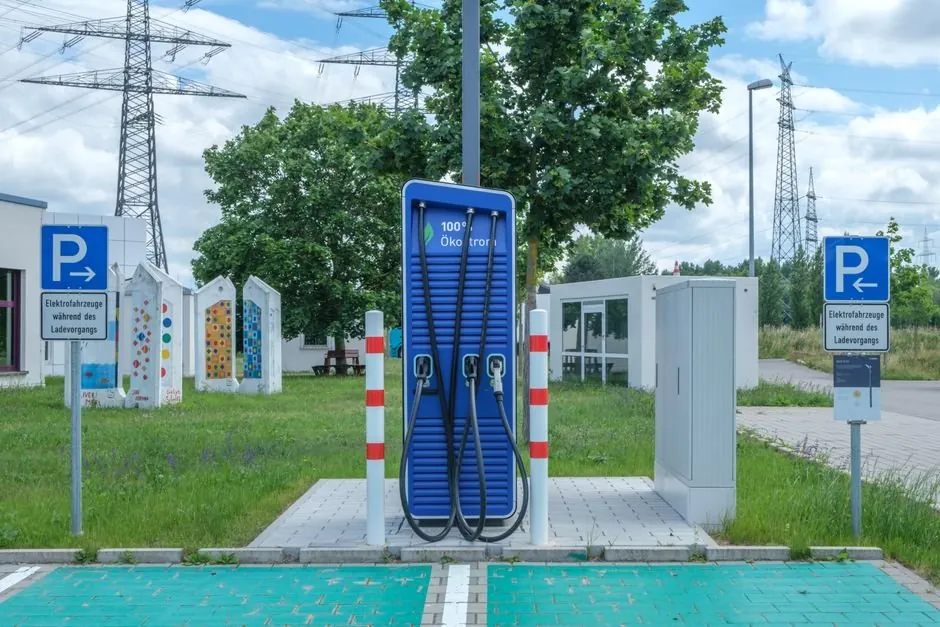
Electric vehicle sales in Canada are rebounding. Statistics Canada recorded 21,574 zero-emission vehicle (ZEV) sales in March 2026, up 74.7 per cent from the same month a year earlier. ZEVs accounted for 12.2 per cent of all new vehicle sales, nearly double the 6.5 per cent share recorded in March 2025.
The momentum continued through the spring. ZEV sales during the first four months of 2026 were up 20.8 per cent compared with the same period a year earlier, with monthly volume climbing from 8,672 units in January to 12,547 in February and 21,574 in March before easing to 17,795 in April.
Consumer consideration is rising again
According to the J.D. Power 2026 Canada Electric Vehicle Consideration Study, 34 per cent of new-vehicle shoppers said they were very or somewhat likely to consider an EV for their next purchase. That is up from 28 per cent in 2025, marking the first rise in EV consideration among Canadian consumers since 2022.
Daniel Ross, director of strategic market insights at Canadian Black Book, says the structure of the federal rebate program is a major contributor to renewed demand. "A lot of the interest is knowing the rebate declines each year," said Ross. "It creates more urgency for consumers in 2026, especially when it is combined with aggressive manufacturer incentives designed to move older EV inventory."
The federal rebate that changed the math
The rebound follows a softer 2025, when the expiration of the previous federal iZEV rebate program, affordability concerns and slowing consumer demand combined to cool EV momentum. The new five-year, $2.275-billion Electric Vehicle Affordability Program (EVAP) — introduced earlier this year as part of Prime Minister Mark Carney's broader automotive strategy — offers up to $5,000 toward the purchase of a battery-electric or fuel-cell vehicle and up to $2,500 for eligible plug-in hybrids. The incentives decline by $1,000 annually over the next five years, creating additional urgency for consumers considering a purchase.
Provincial programs have also shifted. Quebec plans to end its EV rebate program by year-end, while British Columbia suspended its rebate program in May 2025.
Regional leadership and remaining barriers
British Columbia and Quebec continue to lead Canada in EV adoption, with ZEVs accounting for more than one-fifth of all new light-duty vehicle sales in both provinces. Ontario remains closer to the national average.
According to J.D. Power, limited driving range remains the biggest obstacle among consumers reluctant to purchase an EV. Charging availability and vehicle performance during Canadian winters also continue to rank among shoppers' top concerns. Meanwhile, the federal government is permitting 49,000 Chinese-manufactured EVs to enter Canada annually under a trade arrangement, which could increase consumer choice and place additional pricing pressure on the market if Chinese brands establish a foothold.
Looking for EV deals, insurance, or financing? Check out our partner deals and offers.
If you found this guide helpful, use our Tesla referral link for free Supercharging credits on a new Tesla purchase or lease in Canada.
Next story · swipe left
Next story
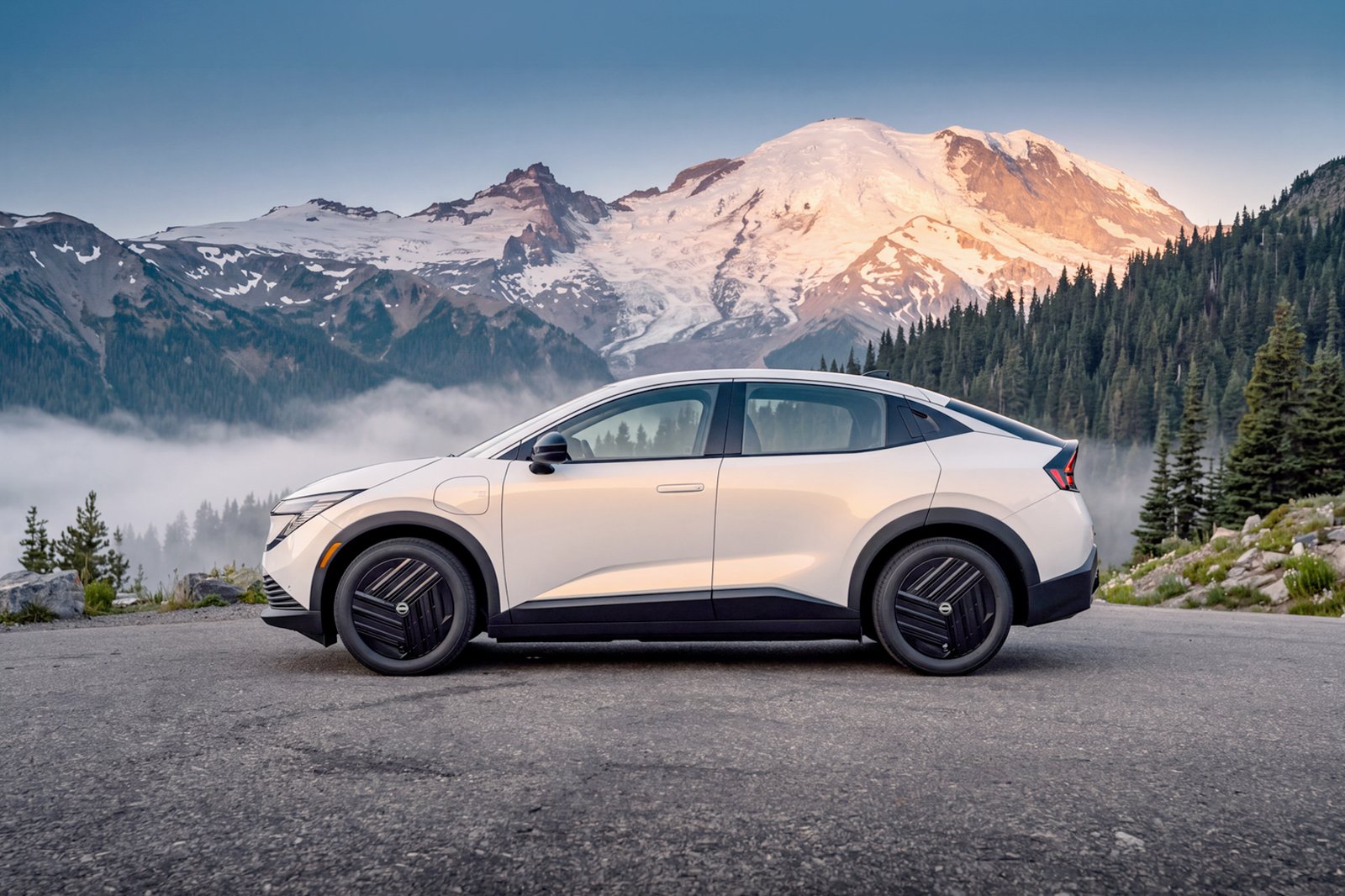
Nissan's $34,998 Leaf S Undercuts Every New EV in Canada — 341 km Range, NACS Port, Rebate Eligible
4 min read
Nissan Canada's 2027 Leaf S brings a 53 kWh battery, 341 km of range and a $34,998 price — over $10,000 below the next trim up and the cheapest new EV in Canada after the federal rebate. DoubleClutch reports the base trim Nissan once cancelled is happening after all.
The Charge Brief
Get Canada’s EV transition in your inbox
One email a day. No spam, unsubscribe anytime.