industry
buyersCanadian ZEV Adoption Held Over 10% in July as Federal Rebate Draws Buyers
Zero-emission vehicles accounted for 10.7% of Canadian new vehicle sales in July 2026 — the second straight month above 10% — up from 7.7% in July 2025. The revived federal EV rebate is pulling reluctant buyers into battery-electric and plug-in hybrid showrooms, but the pace still leaves Canada far from its original 2035 electrification target.
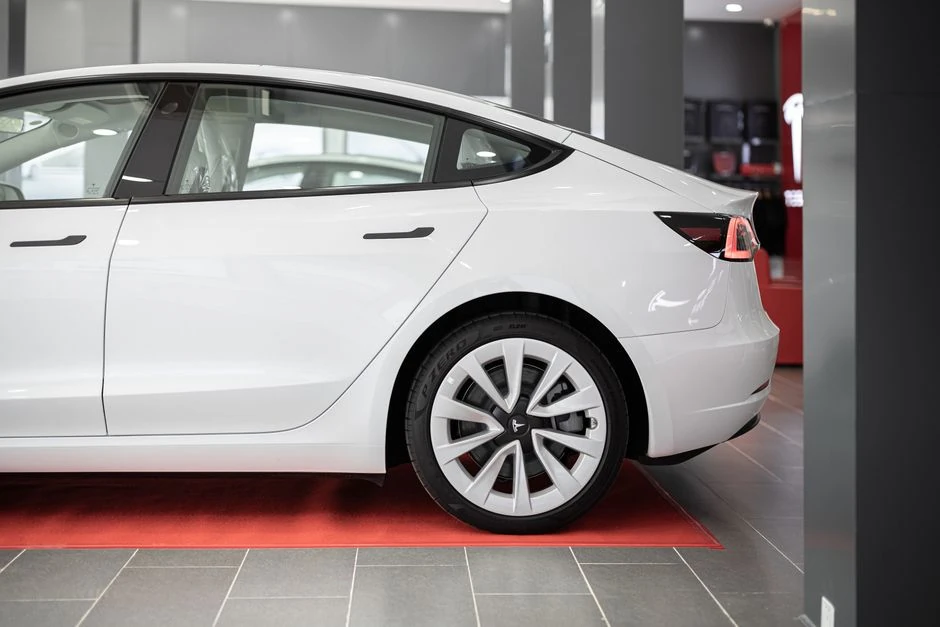
Zero-emission vehicles stayed above the 10-percent mark in Canada for the second consecutive month in July, as the restored federal rebate program continued to pull buyers off the fence and into battery-electric and plug-in hybrid showrooms.
According to Automotive News, citing Bloomberg data, the ZEV penetration rate for July 2026 was 10.7 percent — identical to June's level and up sharply from 7.7 percent in July 2025. The year-over-year gain shows the revived incentive is working, even if the overall market share has stopped climbing for the moment.
What the 10.7% figure means
- Second straight month above 10%: June and July both hit 10.7%, suggesting the federal rebate has created a stable new baseline rather than a one-month spike.
- Year-over-year growth is real: July 2025's 7.7% was measured shortly after the original federal iZEV rebate program ran out of money and froze. The return of the $5,000 federal incentive under the new EVAP program in February 2026 changed the arithmetic for shoppers.
- Plug-in hybrids are part of the mix: The ZEV category includes both battery-electric vehicles and plug-in hybrids, so the 10.7% captures buyers who want electric range without full commitment.
- Provincial variation still matters: British Columbia and Quebec continue to lead adoption, while Ontario — the largest market by volume — moves closer to the national average without a provincial rebate of its own.
Why the rebate matters more than the mandate did
Canada's federal government repealed the Electric Vehicle Availability Standards — the sales mandate — in August 2026, leaving the $2.3-billion Electric Vehicle Affordability Program as the primary federal lever for EV adoption. The July data suggests that lever is effective at the margin: buyers respond to point-of-sale discounts, and the $5,000 rebate moves the needle most in the sub-$50,000 segment where the majority of new EV sales now occur.
The catch is the step-down schedule. The federal rebate phases down gradually from 2027 toward 2030, with amounts shrinking each year. Whether adoption holds above 10% once the rebate shrinks is the market's next big test — and the July number is the baseline against which that decline will be measured.
What to watch next
Statistics Canada publishes monthly new vehicle registration data, so August and September figures will show whether the 10.7% hold is durable. Buyers comparing total cost of ownership can model their own numbers in our province-by-province charging cost calculator, and the federal rebate's current eligibility list is maintained on the Transport Canada website.
Looking for EV deals, insurance, or financing? Check out our partner deals and offers.
If you found this guide helpful, use our Tesla referral link for free Supercharging credits on a new Tesla purchase or lease in Canada.

Next story · swipe left
Next story
EV Leasing in Canada 2026: Best Deals, Residuals, and Lease vs Buy
6 min read
EV leasing in Canada is changing in 2026 — residual values, lease terms, incentives, and whether leasing or buying an electric car makes more sense right now.
The Charge Brief
Get Canada’s EV transition in your inbox
One email a day. No spam, unsubscribe anytime.